
Food Stamp Rules Change: The Food Stamp rules change in 2026 has caught millions of Americans by surprise. With expanded work requirements, tougher immigration restrictions, and shrinking exemptions, the way people access and maintain SNAP benefits — the Supplemental Nutrition Assistance Program, often known as food stamps — is shifting dramatically. And for some, the consequence could be losing access to these benefits permanently. These rules are rolling out as part of the One Big Beautiful Bill Act (H.R. 1) — a sweeping federal law passed in 2025 that affects everything from budget limits to social services. While its backers argue the changes will help promote self-sufficiency, critics warn that these new policies could deepen hunger, especially among working-poor families, older adults, and legal immigrants. Let’s break down what’s changed, how it affects different people, and what you can do to stay covered.
Table of Contents
Food Stamp Rules Change
The 2026 Food Stamp Rules Change has reshaped SNAP eligibility in ways that are catching many people off guard. While policymakers say the goal is self-sufficiency, the reality for millions is more paperwork, fewer exemptions, and stricter timelines. Families who used to qualify without issue are now navigating a complex system with real consequences for falling short — including the permanent loss of benefits. Staying informed, taking action early, and connecting with your local SNAP office is the best defense in this changing landscape. And remember — help is still out there, but the rules of the game have changed.
| What Changed | Impact |
|---|---|
| Work Requirements | Adults aged 18–64 must work/train/volunteer 80 hours per month to keep benefits |
| Time Limits | Non-exempt adults who don’t meet requirements lose benefits after 3 months in 3 years |
| Immigration Rules | Many legal immigrants now disqualified or must wait longer for eligibility |
| State Waiver Limits | Fewer regions can waive work rules due to tighter federal criteria |
| Purchase Restrictions | Some states limiting junk food purchases with SNAP |
| Estimated Impact | Up to 4 million people could lose or see reduced benefits over time |
Why the Food Stamp Rules Changed?
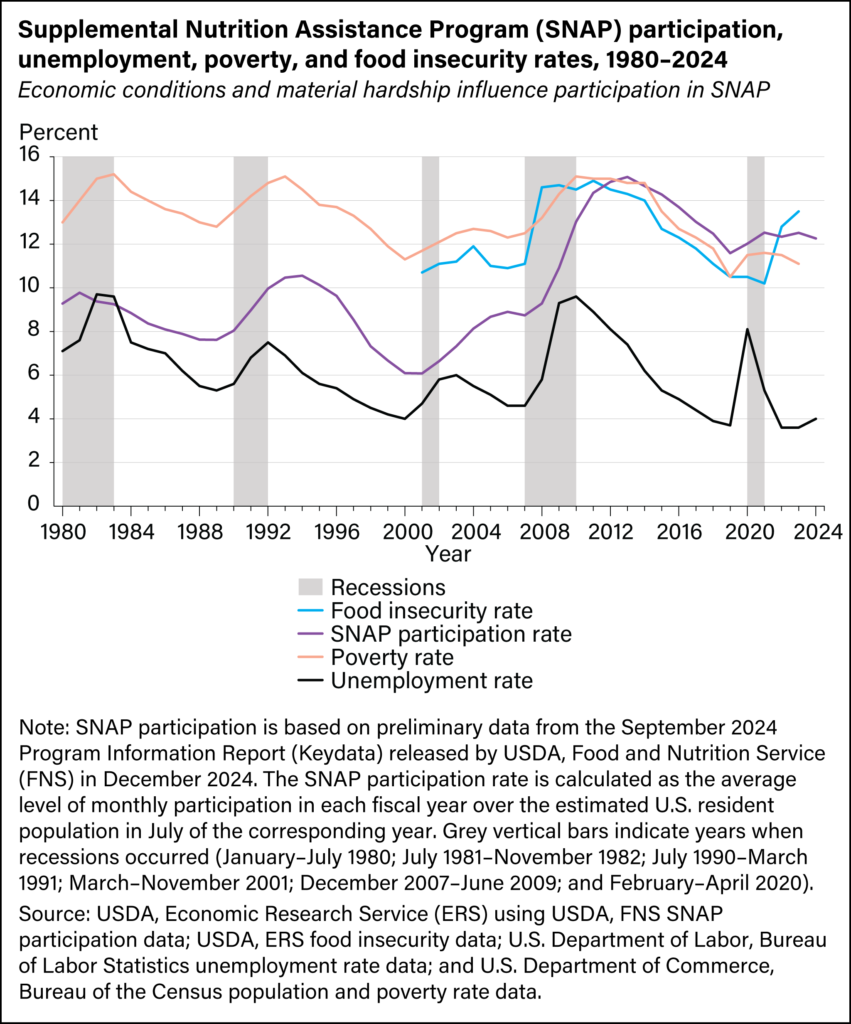
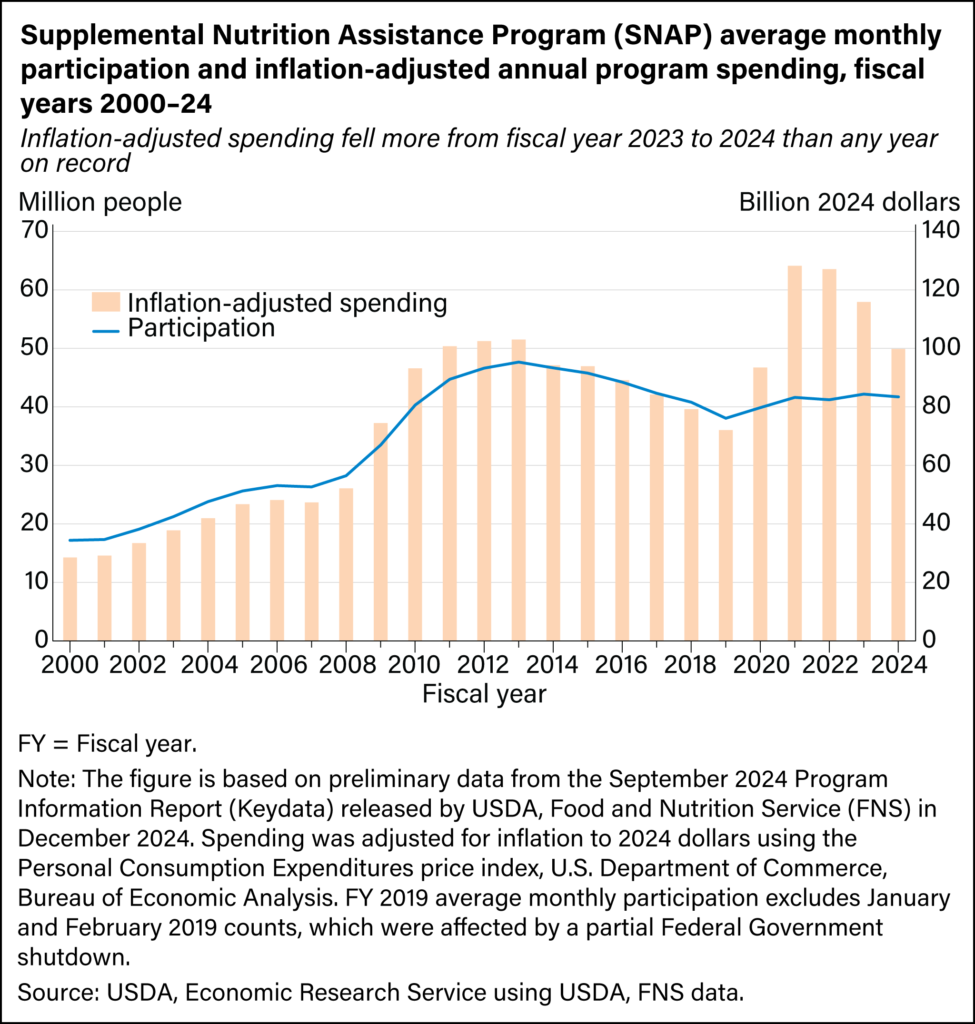
The U.S. government has long struggled to balance providing a safety net with promoting work and independence. SNAP is one of the largest assistance programs in the country, with nearly 42 million people depending on it in 2025. The 2026 reforms aim to:
- Cut federal spending
- Promote employment and reduce long-term benefit dependency
- Address fraud or misuse
- Realign who the government supports with more “targeted” policies
That’s the official narrative. But critics — including hunger relief organizations, economists, and many state governments — argue the changes place unrealistic burdens on vulnerable people who are already working or trying to find work, especially in communities with fewer jobs or support systems.
Understanding the New SNAP Work Requirements
Here’s the big one: if you’re 18–64 and don’t meet exemption rules, you now must work, volunteer, or be in an approved training program for at least 80 hours each month to keep receiving SNAP beyond three months.
This requirement was previously limited to adults under age 50 and without dependents. Now it includes more people, such as:
- Adults up to age 64
- Parents of teens 14 or older
- Veterans, former foster youth, and people experiencing homelessness (in many states)
- Some immigrants who previously qualified under different rules
What Counts as “Work”?
Work can be:
- A job (part-time or full-time)
- Job training (GED, vocational training, apprenticeships)
- Volunteering at eligible organizations
- State-run employment programs (like workfare)
You’ll need proof — pay stubs, timesheets, letters from supervisors — and consistent reporting.
Who’s Exempt — and Who’s Not
Not everyone has to meet the 80-hour requirement. Exemptions include:
- Being pregnant
- Having a child under 14 in your home
- Being physically or mentally unfit for work
- Already receiving disability benefits
- Living with someone under care
- Being over 60 in some states with their own guidelines
However, the burden of proof is on the recipient. If you’re exempt but don’t file the paperwork, you can lose benefits anyway.
Food Stamp Rules Change: The 3-Month Rule (ABAWD Time Limit)
For Able-Bodied Adults Without Dependents (ABAWDs), SNAP benefits are now capped at 3 months in any 3-year period unless they meet the work requirements.
That means:
- You don’t meet the 80-hour requirement?
- You don’t qualify for an exemption?
- You only get 3 months of food stamps every 3 years.
This “time clock” resets only when someone starts meeting the requirements or becomes exempt.
What’s Changed for Immigrants?
One of the most controversial updates involves non-citizens.
As of 2026:
- Lawful permanent residents (green card holders) are still eligible — but must meet a 5-year wait period unless they qualify as children or refugees.
- Refugees, asylees, and special visa holders now face new wait periods or verification standards that weren’t required before.
- DACA recipients, humanitarian parolees, and those on temporary protected status (TPS) may no longer qualify at all.
These changes significantly affect mixed-status families, especially in states like California, Texas, New York, and Florida — where many households include both citizens and non-citizens.
Impact of Food Stamp Rules Change on Real People
Case 1: Angela, 59, Arkansas
Angela is a widow with no dependents. She works part-time at a church food pantry and has back pain that limits her ability to stand for long hours. She was never required to meet work rules before. Now, because she’s under 64, she’s being asked to work 80 hours/month — or provide medical paperwork exempting her. Without access to a primary care doctor, she’s stuck in limbo.
Case 2: Luis, 34, New Mexico
Luis is a legal resident from El Salvador with TPS. He’s worked construction jobs on and off and receives SNAP for himself and his two kids. Under the new rules, his status disqualifies him from receiving benefits personally — although his kids, who are U.S. citizens, remain eligible.
State Waivers: Fewer Safety Nets
Before 2026, states could apply for waivers from SNAP work requirements if:
- Local unemployment was high
- Job opportunities were limited
Now, the federal government has severely limited these waivers, requiring sustained unemployment over 10% in a region. Very few counties meet this threshold in 2026.
This change especially impacts rural communities, tribal nations, and post-industrial towns, where jobs are scarce but unemployment is just under the new benchmark.
SNAP Retail Purchase Restrictions
While not part of the federal rulebook (yet), some states are experimenting with restricting what you can buy with SNAP benefits.
That includes:
- Banning soda, candy, or chips
- Requiring more fruits/vegetables in carts
- Denying online delivery from certain stores
Critics say it creates embarrassment at checkout and micromanages the poor, while supporters argue it promotes better health outcomes. As of 2026, at least 5 states have active or pending legislation on SNAP food choice restrictions.
How to Keep Your Benefits?
If you’re worried about losing SNAP, here’s what you need to do:
1. Check Your Exemption Status
Contact your local SNAP office. Ask: Am I still exempt under the new rules? If so, make sure they have updated paperwork.
2. Track Your Work Hours
If you’re not exempt, make a system to track:
- Pay stubs
- Volunteer logs
- Training hours
Keep everything organized. Your eligibility may depend on it.
3. Meet with a Caseworker
SNAP agencies are backlogged and overwhelmed, but many offer appointments or virtual help. Don’t wait until recertification — check in now.
4. File an Appeal If Needed
If your benefits are denied or reduced, you have the right to appeal. File quickly — most states have 10–30 day windows to contest a decision.
It’s Official: U.S. Issues Urgent Warning to Airlines Over Surging SpaceX Debris Threat
The Truth Behind the Rumored $200 Social Security Boost in 2026
What America’s First Flashing Yellow Arrow Signals Mean for Everyday Drivers