
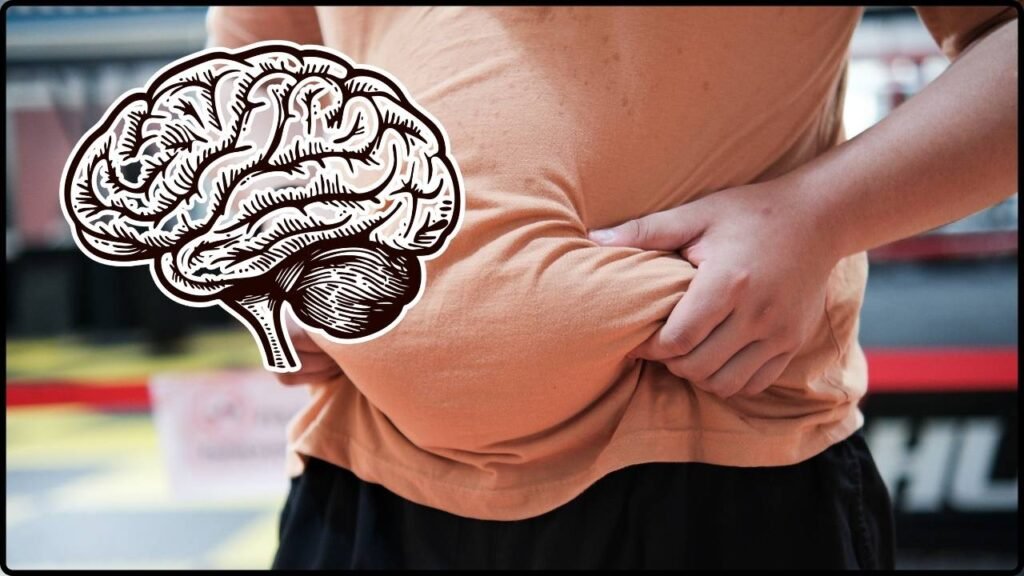
Body Fat Location May Affect Brain Ageing: If you’ve been told that “a few extra pounds” aren’t a big deal as long as you feel okay — well, science has some news that might make you rethink that advice. A recent large-scale study has found something pretty remarkable: it’s not just how much fat you carry that matters, but where it sits in your body. Specifically, visceral fat — the deep belly fat that wraps around your organs — may actually cause your brain to age faster. This discovery is shaking up how doctors, researchers, and everyday folks think about fat, weight, and long-term brain health. From older adults trying to preserve memory, to younger people just aiming to live smarter, this is the kind of research that can help us all make better choices. Let’s break it down in plain, honest, no-jargon talk — with enough depth for professionals and enough clarity for a 10-year-old to grasp.
Table of Contents
Body Fat Location May Affect Brain Ageing
This groundbreaking study shifts the conversation from just losing weight to understanding where fat is stored — and what it’s doing to your brain. Carrying extra fat around your organs may quietly shrink your brain, hurt memory, and raise your risk of future disease. But you have power. With the right food, movement, and muscle-building habits, you can slow — and maybe even reverse — some of these changes. So, whether you’re in your 30s trying to stay sharp or in your 60s aiming to protect your memory, it’s time to think beyond the scale and get real about fat location. Your brain will thank you.
| Area of Focus | Stat / Insight |
|---|---|
| Fat Location Impact | Visceral fat linked to older brain structure |
| MRI Findings | Deep belly fat linked to smaller brain volume, thinner cortex |
| Better Outcome | More muscle, less visceral fat = younger brain age |
| Measurement Method | MRI-derived brain age from structural imaging |
| Broader Health Impact | Visceral fat also linked to memory loss and dementia risk |
What Exactly Is “Brain Age”?
Before we get into fat talk, let’s understand what scientists mean by brain age.
Your “brain age” isn’t about your birth certificate. It’s about how your brain looks and functions compared to other brains at different ages. MRI scans help researchers assess:
- Brain volume (how much space your brain occupies)
- Cortical thickness (the outer layer of the brain that handles thinking)
- White and gray matter quality
- Structural changes related to cognitive decline
When a person’s brain looks older than their chronological age, it’s called accelerated brain ageing. This is often linked with:
- Memory issues
- Poor concentration
- Higher risk for Alzheimer’s, Parkinson’s, and other neurological diseases
So, when we say fat around your belly may age your brain, we mean it can literally shrink and thin parts of the brain, making it biologically older than it should be.
Why Body Fat Location Matters More Than You Think?
A lot of folks only look at body weight or BMI (Body Mass Index), but those numbers don’t tell the full story.
Two people with the same weight and height can have very different fat distributions:
- One may have most of their fat just under the skin (subcutaneous fat).
- The other may carry fat deeper, around the stomach, liver, kidneys, and intestines — aka visceral fat.
Visceral fat is the troublemaker here. It’s not just passive padding — it behaves more like an organ, releasing hormones and inflammatory chemicals that affect your entire system, including the brain.
The Science Behind the Study of Body Fat Location May Affect Brain Ageing
In the recent RSNA study, researchers looked at brain MRIs from over 16,000 adults and compared them to detailed body composition scans. They found a strong link between high levels of visceral fat and older brain appearance.
Another study published in NeuroImage (2022) showed that people with higher waist-to-hip ratios had significantly lower brain volumes — even when BMI was normal.
It’s not just older folks either. This can affect adults in their 30s, 40s, and 50s — people still decades away from traditional signs of cognitive decline.
To sum it up:
- More visceral fat = smaller brain volume
- Less muscle = faster brain ageing
- Same BMI, but different fat location = very different brain futures
How Visceral Fat Damages the Brain?
So, how does belly fat harm your brain exactly?
Here’s the chain reaction:
- Visceral fat increases inflammation: It releases chemicals like cytokines and adipokines.
- Inflammation damages blood vessels: The tiny vessels that nourish brain tissue get stiff or narrow.
- Restricted blood flow: Less oxygen and fewer nutrients reach your brain cells.
- Brain shrinks: Areas like the hippocampus (key to memory) and prefrontal cortex (decision-making) lose volume.
There’s also evidence that insulin resistance—a common effect of high visceral fat—contributes to brain shrinkage and dementia. Insulin affects not just blood sugar, but also how brain cells communicate.
Muscle: Your Brain’s Best Friend
Now for some good news.
The same research also found that people with more muscle mass had younger brains — regardless of weight.
Muscle:
- Improves metabolism
- Helps regulate blood sugar
- Reduces inflammation
- Releases protective proteins during movement that benefit the brain
This means adding strength training to your routine isn’t just for beach season — it’s long-term brain insurance.
How to Know If You Have Too Much Visceral Fat?
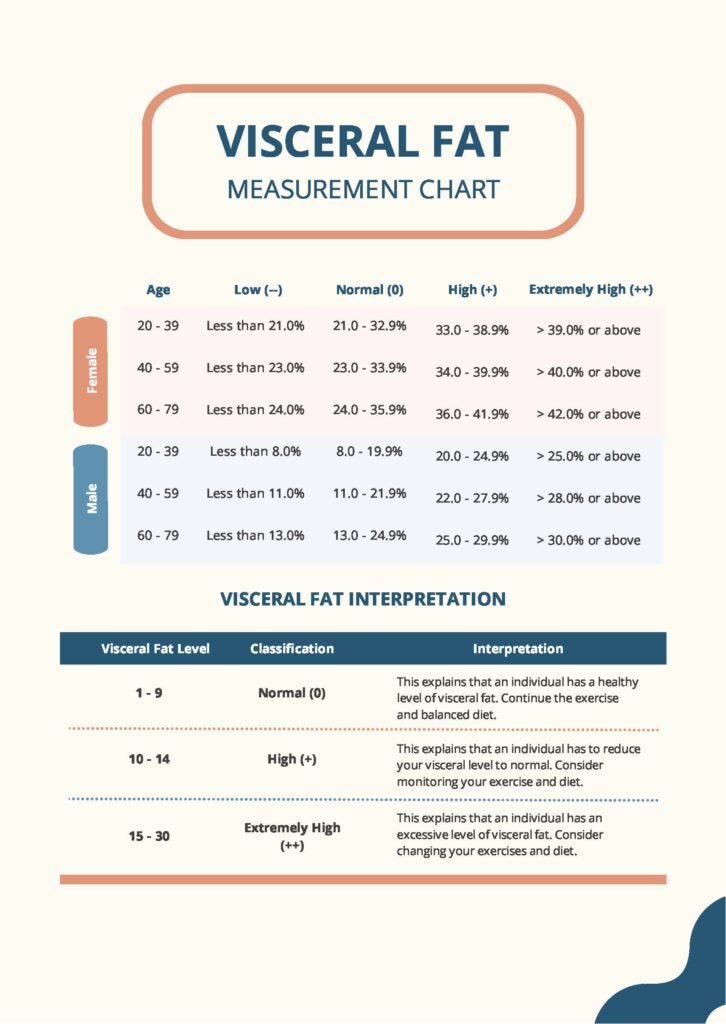
Unfortunately, you can’t just pinch your belly and know if your visceral fat is high. Even thin people — especially those who are inactive — can carry dangerous levels of it.
Here are better indicators:
- Waist measurement: Over 35 inches for women, 40 for men may indicate high risk
- Waist-to-hip ratio: Above 0.85 (women) or 0.9 (men) = concern
- Body composition scan: DXA, MRI, or CT scans provide the most accurate view
- Blood work: High fasting glucose, triglycerides, and insulin resistance are red flags
If you’re not sure where you stand, ask your healthcare provider for a body fat distribution check — many clinics now offer this.
Lifestyle Tips to Lower Visceral Fat and Support Brain Health
You don’t need to spend 3 hours at the gym or go keto overnight. Small, sustainable shifts matter most.
1. Lift Something (Anything!)
- Add strength training 2–3 days per week
- Use weights, resistance bands, or your own bodyweight (pushups, squats, lunges)
- Muscle burns more calories even at rest
2. Eat Foods That Fight Inflammation
- Leafy greens, berries, beans, olive oil, nuts
- Cut back on ultra-processed carbs and fried stuff
- Focus on real, whole foods over fad diets
3. Walk Like You Mean It
- Aim for 7,000–10,000 steps per day
- Brisk walking, swimming, dancing, biking — whatever keeps you moving
- Consistency is key — 20 minutes a day is better than 2 hours once a week
4. Sleep, Stress & Screen Time
- Chronic stress raises cortisol, which boosts belly fat
- Poor sleep messes with hunger hormones and increases cravings
- Mindfulness, deep breathing, journaling — anything that brings calm is good for your brain
5. Get Regular Checkups
- Know your blood sugar, cholesterol, triglycerides
- Ask about cognitive screening if you’re at higher risk (family history, etc.)
- Don’t ignore small signs like brain fog, forgetfulness, or fatigue

A Century of Hair Samples Shows How the Leaded Gas Ban Changed Public Health
Study Shows Macaques Use Facial Expressions as Real Communication Signals
Ancient Creatures From 325 Million Years Ago Found in Mammoth Cave