
History leaves behind ruins, broken statues, and faded writings. Yet sometimes it leaves something far more puzzling a shared human experience that refuses to disappear. In ancient Greece, thousands of people traveled to a sanctuary near Athens to take part in a secret ceremony that promised a new understanding of life and death.
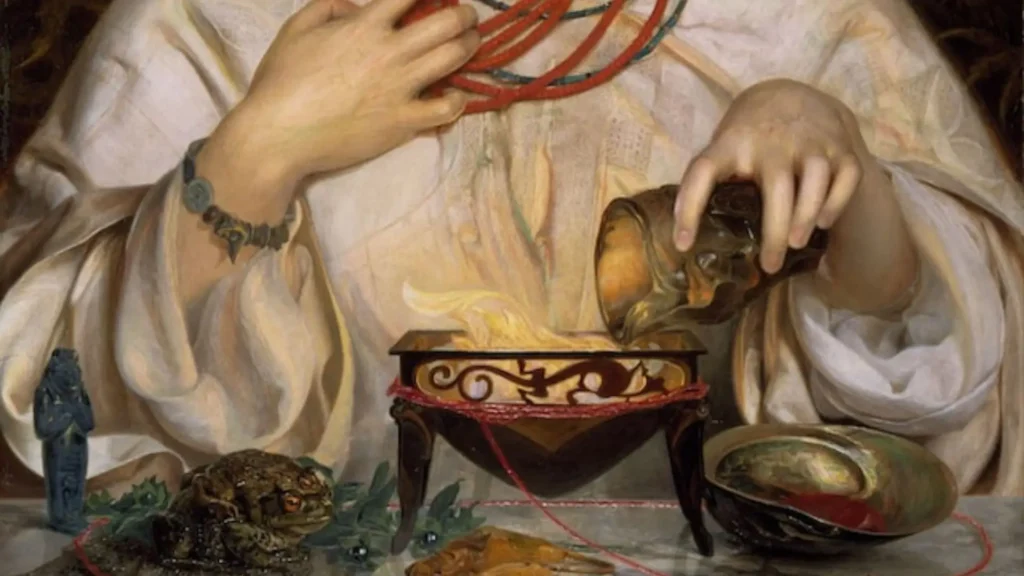
At the center of that experience was the ritual drink of the Eleusinian Mysteries. For centuries, initiates protected its details so carefully that even historians who lived at the time admitted they were forbidden to speak openly. Today, the ritual drink of the Eleusinian Mysteries continues to fascinate scholars because those who participated insisted, they encountered something unforgettable. Researchers now look beyond mythology and poetry. Archaeologists, chemists, and historians are working together to answer a practical question. What did participants actually consume and how did it affect them? The mystery is no longer just religious or literary. It has become scientific. Understanding the beverage may explain why people from every level of society rulers, philosophers, soldiers, and ordinary workers made the journey to Eleusis year after year.
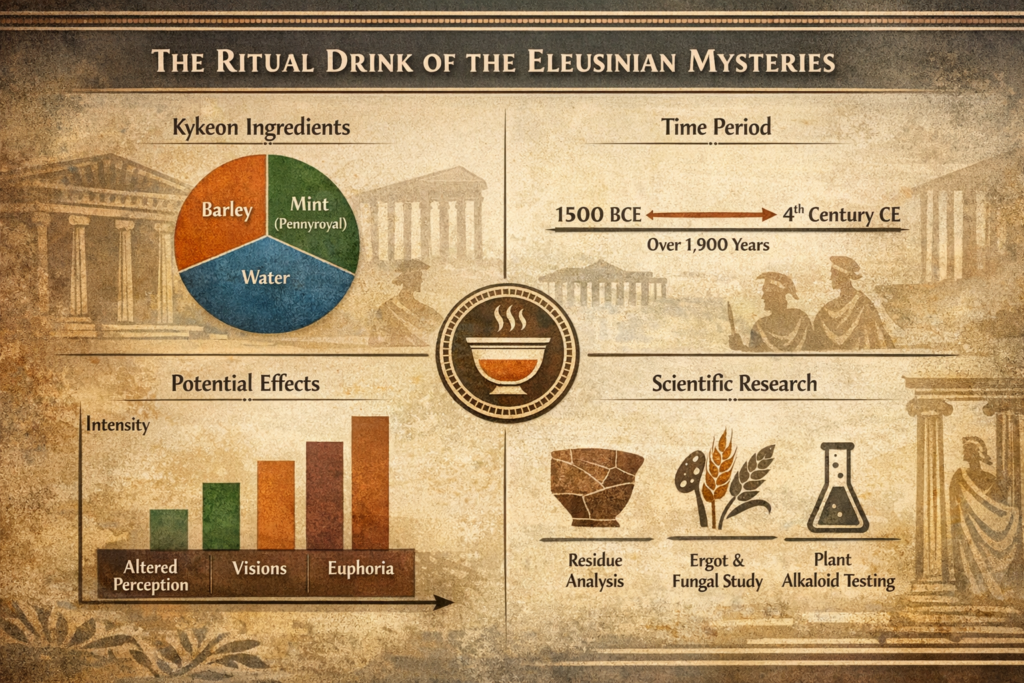
The ritual drink of the Eleusinian Mysteries was known in antiquity as kykeon. Ancient sources describe it as a mixture of barley, water, and mint. At first glance, that sounds simple, even ordinary. But context changes everything. Initiates consumed it after fasting and just before the most secret part of the ceremony inside a massive hall designed for controlled lighting and sound. Modern scholars believe the drink may have played a psychological role that heightened perception and emotion. Some researchers even consider whether natural compounds in ancient grain could have altered awareness. The evidence is still debated, but one point is clear the ritual drink of the Eleusinian Mysteries was not just symbolic. It was central to the transformative experience participants described.
Table of Contents
Ritual Drink of the Eleusinian Mysteries
| Aspect | Key Information |
|---|---|
| Ancient Name | Kykeon |
| Described Ingredients | Barley, water, pennyroyal mint |
| Ceremony | Initiation rites at Eleusis |
| Time Period | Approx. 1500 BCE – 4th century CE |
| Purpose | Turning point of initiation ritual |
| Main Theory Today | Possible psychoactive or perceptual influence |
| Evidence Sources | Texts, residue analysis, agricultural studies |
| Cultural Effect | Reduced fear of death among initiates |
The Eleusinian Mysteries
- To understand the drink, you first have to understand the event. The Eleusinian Mysteries were among the most respected religious ceremonies of the ancient world. Unlike many cult practices that excluded outsiders, this ritual welcomed almost anyone who spoke Greek and had not committed serious crimes. Women attended alongside men. Foreigners stood beside citizens. Social class mattered less here than almost anywhere else in ancient society.
- The ritual began in Athens. Participants walked a long road to Eleusis in a ceremonial procession. Along the way they performed purification rites in the sea, observed fasting, and listened to sacred storytelling. By the time they reached the sanctuary, anticipation had been building for days.
- Finally they entered the Telesterion, a large hall designed to hold thousands. What happened inside remained secret for centuries. But nearly every surviving description agrees on one point. Participants emerged changed. Many claimed they no longer feared death. Because of that powerful reaction, historians suspect the ritual drink of the Eleusinian Mysteries played a deeper role than a simple religious offering.
What Was the Kykeon
- One of the earliest written references comes from a hymn describing the goddess Demeter. In the story, she drinks a barley mixture after mourning the loss of her daughter Persephone. Initiates reenacted this moment by drinking the kykeon during the ceremony.
- At face value, barley water flavored with mint seems harmless. Yet ancient agriculture was very different from modern farming. Grain was harvested by hand and stored without modern drying methods. Under certain conditions, fungi could grow on barley. Some of those fungi produce alkaloids compounds capable of influencing the nervous system.
- Because participants drank the mixture after fasting, even a mild effect could feel intense. That possibility has led researchers to consider whether the ritual drink of the Eleusinian Mysteries was carefully prepared rather than casually mixed.
The Psychedelic Hypothesis
- One theory receiving increasing attention suggests the beverage may have contained naturally occurring perception altering compounds. The focus is on ergot, a fungus that grows on grains. Ergot contains chemicals related to substances known to affect awareness and mood.
- This does not necessarily mean ancient initiates were poisoned. Dangerous ergotism causes severe illness. However, small controlled amounts could produce sensory changes without harm. Some scholars propose priests may have learned, over generations, how to prepare barley in a way that avoided toxicity while preserving subtle effects.
- Other historians disagree. They believe the experience was created entirely by ritual drama darkness, chanting, and emotional expectation. Yet the intense reactions described by ancient writers keep attention on the ritual drink of the Eleusinian Mysteries as a possible contributing factor.
Recent Scientific Analyses
- Modern science has introduced new ways to examine ancient religion. Archaeologists now analyze residue from pottery. Microscopic remains can reveal traces of plants and grains used thousands of years ago.
- Tests on vessels connected with Greek rituals confirm cereal based beverages were consumed in ceremonial settings. Environmental studies also show Mediterranean climates could easily allow fungal growth in stored barley. While this does not prove psychoactive properties, it makes the theory scientifically plausible.
- Botanists also study pennyroyal mint, an ingredient in the ritual drink of the Eleusinian Mysteries. The plant contains active oils that affect the body. Combined with fasting and emotional anticipation, even a mild physical sensation might have felt spiritually significant.
Archaeological And Textual Clues
Ancient writers rarely explained the ritual directly, but their language is revealing. Instead of saying initiates learned teachings, they said they experienced revelations. They described awe, vision, and emotional release rather than lectures or doctrine. The architecture supports this. The Telesterion allowed priests to control light and timing. Imagine sitting in darkness for hours, surrounded by chanting voices, after days of fasting and pilgrimage. Then a sudden revelation occurred immediately after drinking the sacred mixture. The sensory impact would have been powerful. Because descriptions across centuries repeat similar emotional responses, researchers continue examining whether the ritual drink of the Eleusinian Mysteries enhanced perception during this climactic moment.
Cultural And Religious Context
Ancient religion was physical as much as spiritual. Pilgrimage required effort. Fasting heightened sensitivity. Ritual bathing created a sense of purification. By the time initiates drank the kykeon, they were mentally prepared for something meaningful. Participants believed they were sharing in the story of Persephone’s return from the underworld. The ceremony symbolized rebirth and the cycle of seasons. Even a small sensory effect could reinforce a powerful emotional interpretation. Rather than replacing belief, the ritual drink of the Eleusinian Mysteries likely worked together with storytelling, music, and dramatic staging to create an unforgettable experience.
Why The Mystery Still Matters
- The continuing research is about more than one ancient beverage. It explores how humans create meaning. Modern psychology recognizes that environment, expectation, and ritual strongly influence perception.
- The Eleusinian ceremony may have been a carefully designed experience combining narrative, architecture, and a special drink. That combination could explain why the ritual lasted nearly two thousand years and why participants spoke about it with lifelong reverence.
- Scholars today remain cautious. No single theory has solved the puzzle. Some believe the ceremony was theatrical. Others suspect biochemical assistance. The most likely explanation may be a combination of both. A sacred story, a charged environment, and the ritual drink of the Eleusinian Mysteries together produced an experience powerful enough to remove the fear of death.
- The secret itself may never be fully recovered. But each archaeological discovery and scientific test brings us closer to understanding why an ancient ceremony left such a lasting mark on human history.
FAQs About Ritual Drink of the Eleusinian Mysteries
What Exactly Was the Ritual Drink of The Eleusinian Mysteries
It was a ceremonial beverage called kykeon made from barley, water, and mint, consumed during the initiation rites at Eleusis.
Did The Drink Contain Hallucinogens
There is no definitive proof. Some researchers believe naturally occurring grain fungi may have created mild perception altering effects, but the theory remains debated.
Why Did Participants Consider the Experience Life Changing
Initiates believed they witnessed a sacred revelation connected to life after death, which reportedly removed their fear of dying.
Who Was Allowed to Participate
Men and women, citizens and foreigners, and people from many social backgrounds could join as long as they followed the ritual rules.