
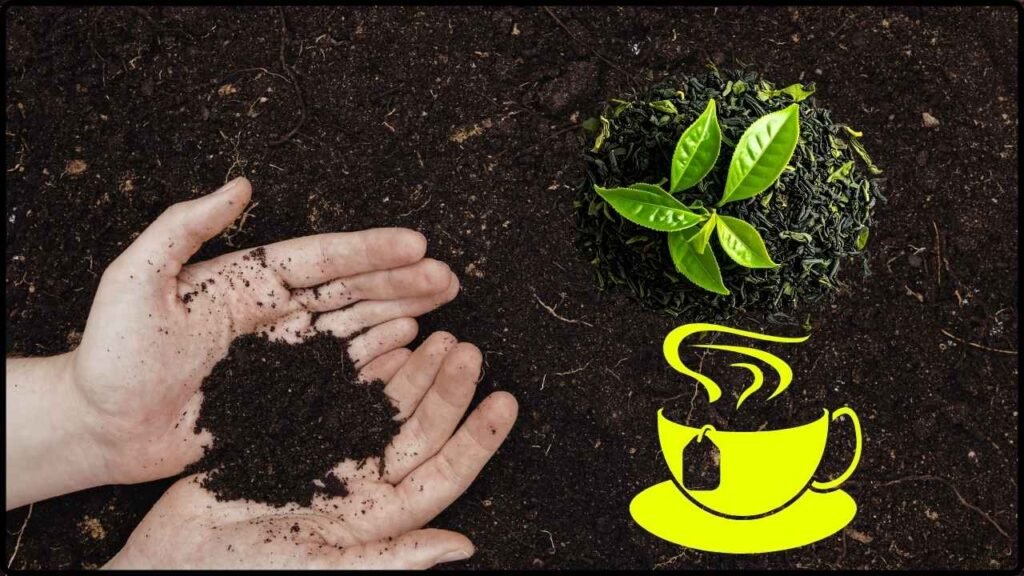
Tea Growth Using Simulated Moon Soil: and that headline alone sounds like something straight out of a late-night science show, right? But this isn’t Hollywood imagination. This is real research, backed by plant science, soil engineering, and space exploration strategy. And if you’ve ever held a warm cup of tea on a chilly morning in Montana or down in Texas, you know it’s more than just a drink. It’s comfort. It’s culture. It’s connection.
Now imagine astronauts standing on the Moon during NASA’s next big missions, maybe under the Artemis Program, growing their own tea leaves inside a lunar greenhouse. That’s not just cool — that’s groundbreaking. Researchers have been testing whether Camellia sinensis, the plant that gives us green, black, white, and oolong tea, can grow in simulated lunar soil, also called lunar regolith simulant. The results? Surprisingly promising. Before we go any further, let’s ground ourselves in what’s actually happening here.
Table of Contents
Tea Growth Using Simulated Moon Soil
Scientists Test Tea Growth Using Simulated Moon Soil, and the results represent a meaningful step toward sustainable space exploration. By demonstrating that Camellia sinensis can grow in lunar regolith simulant under controlled conditions, researchers are supporting the long-term vision of NASA’s Artemis Program. Beyond space missions, this research strengthens controlled environment agriculture and offers solutions for extreme farming challenges on Earth. It’s a powerful reminder that innovation aimed at the Moon often benefits life right here at home.
| Topic | Details |
|---|---|
| Plant Species | Camellia sinensis |
| Soil Type Tested | Simulated lunar regolith |
| Growth Outcome | Successful germination and development |
| Comparison Soil | Simulated Martian soil (unsuccessful growth) |
| Primary Goal | Support sustainable lunar missions |
| NASA Program Reference | Artemis Program – https://www.nasa.gov/artemis |
Understanding Simulated Moon Soil
Let’s keep this simple and straight.
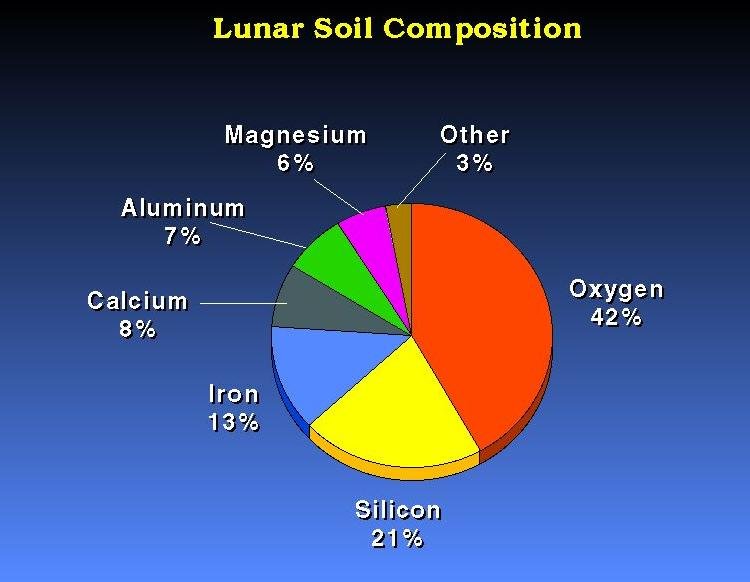
The Moon does not have soil like the fertile ground in Iowa cornfields. There are no microbes, no organic material, no decayed plant matter. Lunar regolith is crushed rock and mineral dust formed by billions of years of meteor impacts.
According to NASA, lunar regolith contains:
- Silicon dioxide
- Aluminum oxide
- Iron oxide
- Magnesium
- Calcium
What it does not contain is organic nitrogen, phosphorus in usable biological form, or active microbial life — all things plants normally depend on.
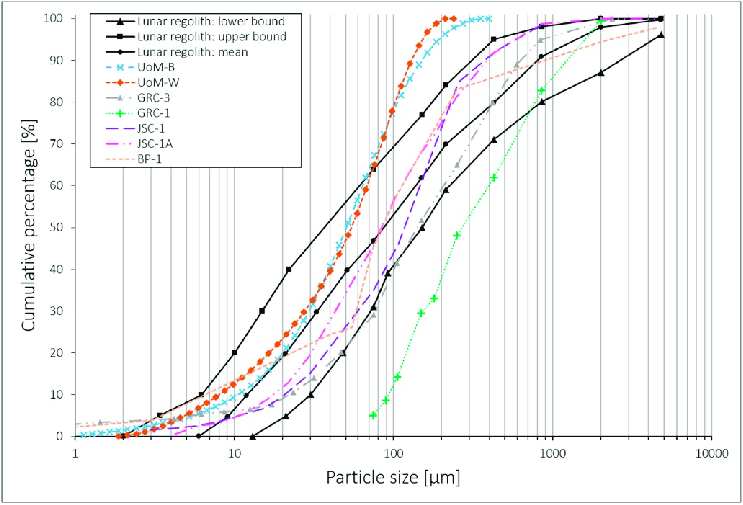
Because actual Moon samples brought back during the Apollo missions are limited and carefully preserved, researchers use engineered materials called lunar regolith simulants. These are produced on Earth to mimic the chemical and physical properties of real lunar dust.
Why Tea? Why Not Just Lettuce?
You might be thinking, “Why test tea instead of potatoes or lettuce?” Fair question.
Lettuce has already been grown aboard the International Space Station. But tea brings something different to the table.
Camellia sinensis is:
- A perennial plant
- Rich in antioxidants
- Mildly caffeinated
- Deeply rooted in global culture
According to the Food and Agriculture Organization (FAO), global tea production exceeds 6.5 million tons per year.
Tea is one of the most consumed beverages worldwide after water. For astronauts spending months away from Earth, morale matters. Having access to a familiar drink can reduce stress and improve mental well-being.
Research from NASA’s Human Research Program highlights the importance of psychological support systems in long-duration missions.
So yeah, tea isn’t just about hydration — it’s about human resilience.
How the Tea Growth Using Simulated Moon Soil Experiment Was Conducted?
Let’s walk through the process step by step, plain and practical.
Soil Preparation and Calibration
Scientists obtained a lunar regolith simulant engineered to replicate:
- Particle size
- Mineral composition
- Drainage characteristics
- pH levels
They ensured that the substrate matched known lunar soil data from Apollo samples.
Environmental Simulation
The Moon experiences extreme temperature swings from -280°F to 260°F. Obviously, plants can’t survive that.
So researchers used controlled greenhouse chambers where:
- Temperature was stabilized
- Humidity was regulated
- Artificial light simulated solar radiation
- Nutrient solutions supplemented the soil
This setup resembles what NASA envisions for future lunar habitats under the Artemis initiative.
Plant Monitoring
Over several weeks, scientists monitored:
- Germination rate
- Root growth
- Leaf size and chlorophyll content
- Moisture retention
- Soil nutrient absorption
The tea plants successfully sprouted and maintained steady growth under these controlled conditions.
Interestingly, when planted in simulated Martian soil, growth was unsuccessful. Martian regolith simulants often contain perchlorates — salts that can be toxic to plants.
What Makes Lunar Soil So Challenging?
Let’s break this down technically but simply.
Lunar regolith has:
- No organic carbon
- Low nitrogen
- Poor water retention
- Sharp, abrasive particles
Plants need macronutrients like nitrogen (N), phosphorus (P), and potassium (K). Lunar soil lacks biologically available forms of these nutrients.
To overcome this, researchers supplemented the simulant with nutrient solutions — essentially creating a hybrid between soil-based and hydroponic systems.
This aligns with trends in controlled environment agriculture (CEA), a rapidly growing sector in the United States.
According to the U.S. Department of Agriculture (USDA), greenhouse crop production in the U.S. exceeds $4 billion annually.
That’s not pocket change. That’s a booming industry.
Why This Research Matters for NASA’s Artemis Program?
The NASA Artemis Program aims to return humans to the Moon and establish a sustainable presence by the end of the decade.
Sustainability means:
- Growing food locally
- Recycling water
- Producing oxygen
- Reducing resupply missions
Launching cargo into space costs thousands of dollars per pound. Even with modern reusable rockets, space transport remains expensive.
Developing lunar agriculture could significantly reduce mission costs over time.
Lessons for Agriculture on Earth
Here’s where things get practical for folks here in the States.
Research on extreme soil conditions can help farmers dealing with:
- Drought-stricken lands in California
- Degraded soils in the Southwest
- Mining reclamation zones
- Desert agriculture
By understanding how to grow crops in nutrient-poor substrates, scientists can improve farming resilience back home.
In states like Arizona and Nevada, soil salinity and nutrient depletion are growing challenges. Techniques developed for lunar agriculture — such as precise nutrient delivery and closed-loop irrigation — could improve yields in tough conditions.
That’s real-world value.
Career Opportunities in Space Agriculture
This field isn’t just for astronauts.
Professionals involved include:
- Soil scientists
- Agricultural engineers
- Environmental biologists
- Aerospace systems designers
- Controlled environment agriculture specialists
Universities across the U.S., including land-grant institutions, are expanding research in space-based crop production.
For students interested in STEM, this field blends biology, engineering, sustainability, and space exploration. That’s a powerful combo.
Technical Challenges That Remain
Let’s not get ahead of ourselves.
Growing tea in simulated lunar soil under controlled lab conditions is different from doing it on the Moon.
Challenges include:
Radiation Exposure
The Moon lacks a protective atmosphere and magnetic field.
Water Recycling
Every drop must be captured, filtered, and reused.
Energy Supply
Greenhouses require consistent power.
Dust Contamination
Lunar dust is abrasive and electrostatically charged.
Before lunar tea becomes reality, engineering solutions must address these issues.
Scientists Narrow Down the Possible Substance Used in the Eleusinian Mysteries
Why Scotch Tape Makes a Screeching Sound, According to Scientists
Scientists Reveal Why Desert Singing Sands Create a Deep Mysterious Hum
Broader Implications for Sustainability
There’s something powerful about this research beyond rockets and regolith.
When scientists figure out how to grow life in the harshest conditions imaginable, they unlock tools that can help communities facing climate stress.
If tea can grow in simulated lunar soil, imagine what optimized nutrient systems could do for regions suffering from soil erosion or nutrient depletion.
Space research has historically led to innovations like:
- Water purification systems
- Advanced insulation
- Medical imaging technologies
Agricultural breakthroughs may be next.