
Recent archaeological research is reshaping understanding of the Hittite Civilization. Scholars analyzing ancient tablets and excavated infrastructure say people living in Anatolia more than 3,000 years ago followed organized hygiene practices involving washing, sanitation rules, and ritual purification, suggesting awareness of environmental health centuries before classical Greece and Rome.
Table of Contents
Hygiene Practices in the Hittite Civilization
| Key Fact | Detail |
|---|---|
| Time period | Approx. 1700–1200 BCE |
| Evidence | Clay tablets, laws, drainage systems |
| Purpose | Physical cleanliness and religious purity |
Understanding the Hittite Civilization: Evidence From Texts and Archaeology
Archaeologists have long studied the ruins of Hattusa, the imperial capital of the Hittite Civilization, located in central Türkiye. New interpretations of cuneiform tablets, combined with excavations of wells and drainage channels, suggest cleanliness was regulated by both law and religion.
Researchers examining translated tablets note repeated instructions to wash hands, rinse the mouth, and clean objects before ceremonies.
“Purification was not symbolic only,” said archaeologist Dr. Aylin Ertem in a published study on Anatolian ritual texts. “It was a routine behavior expected in daily life.”
Scholars say these rules amount to an early form of ancient sanitation systems, a structured set of behaviors meant to prevent contamination.
How the Tablets Were Deciphered
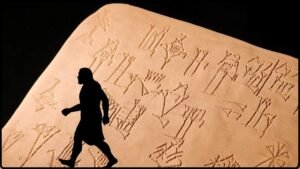
The Hittites wrote in cuneiform script on clay tablets, adopting the writing tradition from Mesopotamia. Thousands of tablets discovered since the early 20th century have been gradually translated by linguists.
Many were found in palace archives. They included:
- legal codes
- medical rituals
- administrative records
- religious instructions
Historians say these archives are unusually detailed compared with other Bronze Age societies. The survival of the tablets is partly due to a fire that destroyed Hattusa around 1200 BCE, accidentally baking the clay tablets and preserving them for millennia.
Ritual Purity and Religion
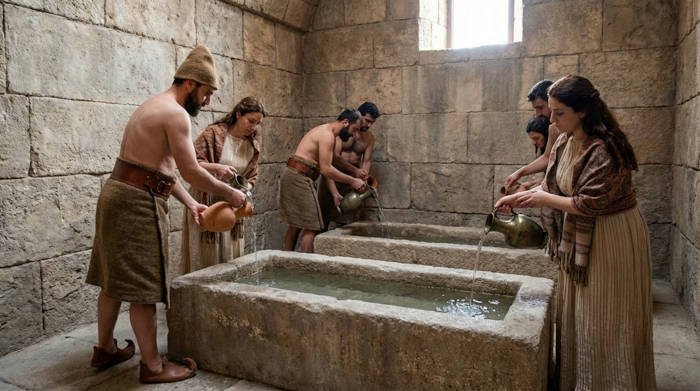
Many hygiene instructions appeared in religious texts. Before approaching a temple, individuals were required to wash with water drawn from specific sources.
Historians explain that in the Hittite worldview, dirt was not merely unpleasant. It could anger deities. Illness, crop failure, or social disorder could be interpreted as the result of impurity.
“Water functioned as a purifier between the human and divine worlds,” said Near Eastern historian Prof. Daniel Schwemer, whose research examines Bronze Age ritual practice. Priests, in particular, faced stricter purification rules than ordinary citizens.
These practices represent ritual purification traditions — the blending of health behaviors and spiritual belief.
Purification Ceremonies
Some rituals were complex. Tablets describe:
- sprinkling sacred water
- washing hands multiple times
- burning incense
- discarding contaminated clothing
Participants sometimes washed not only themselves but also statues, doors, tools, and even entire rooms. Scholars interpret this as both religious devotion and environmental hygiene.
Domestic Rules and Food Cleanliness
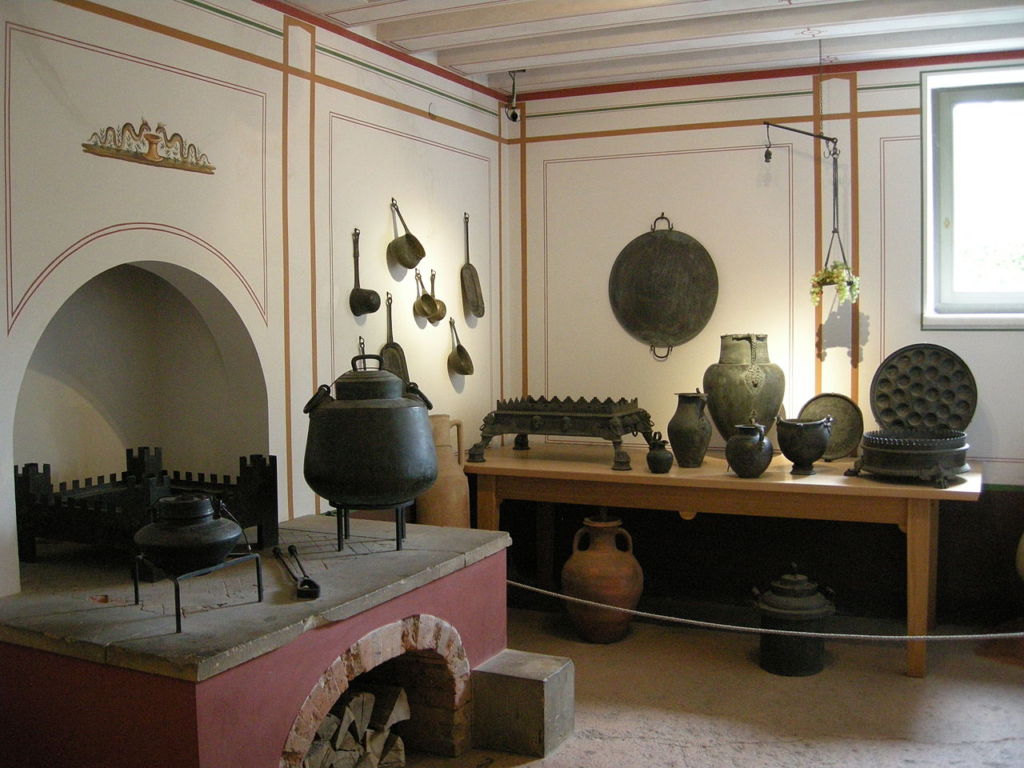
The tablets also describe hygiene within homes and kitchens. Legal and ritual instructions prohibited certain animals from entering food preparation areas. Cooking surfaces and storage vessels had to be cleaned regularly.
Archaeologists say these rules show an awareness of contamination risk, even without knowledge of bacteria.
Some texts specify washing after handling corpses, returning from travel, or contacting bodily fluids. Similar instructions appear in other early societies, but the Hittite records are unusually systematic.
Food Storage and Safety
Large ceramic storage jars discovered in homes and granaries indicate food preservation practices. Archaeologists found lids, sealed openings, and elevated platforms designed to protect grain from moisture and pests.
These discoveries suggest early forms of food safety regulation, reinforcing that hygiene practices extended beyond ritual life into everyday survival.
Water Infrastructure and Public Health
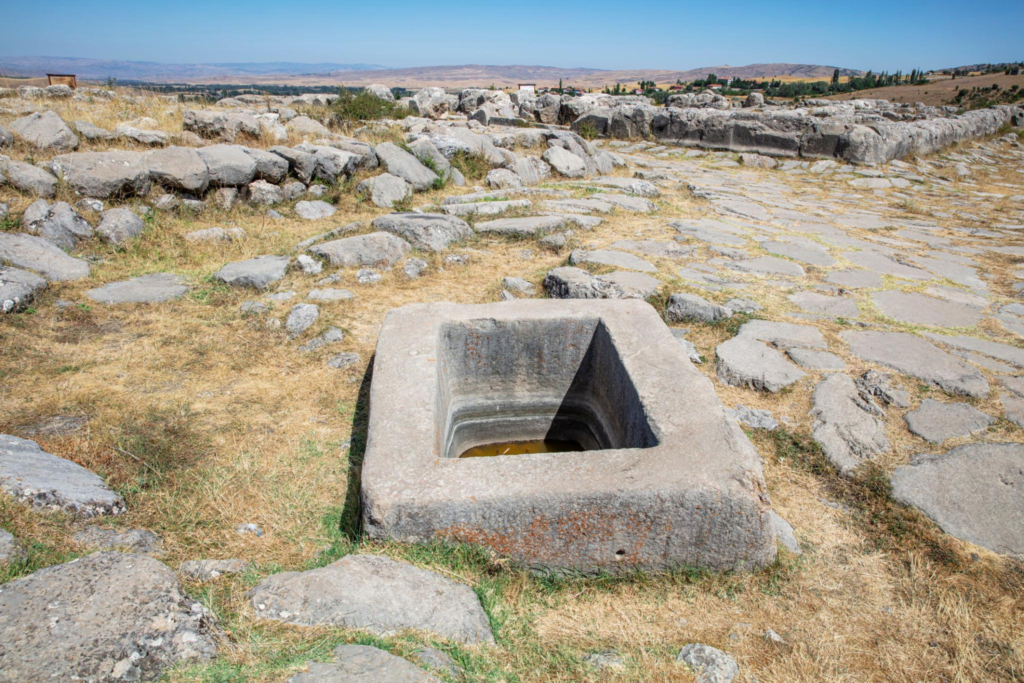
Excavations reveal carefully engineered water features, including channels, reservoirs, and stone basins. Researchers say these systems supported daily washing and controlled wastewater flow.
According to excavation reports from the German Archaeological Institute, Hattusa’s planners designed water access points across neighborhoods, indicating communal use.
This infrastructure suggests early public health infrastructure, where cleanliness involved both personal behavior and urban planning.
Seasonal Water Management
The capital sat in a region with variable rainfall. Engineers directed spring water into reservoirs to ensure year-round supply. Some tunnels carried water downhill using gravity, reducing contamination.
Archaeologists note that separating clean water from runoff likely lowered disease risk, even though inhabitants lacked germ theory.
Medicine and Healing Practices
Hygiene also intersected with healthcare. Some tablets describe healers washing patients and tools before treatment. Remedies included herbal mixtures, poultices, and incantations.
Doctors were often priest-healers. Treatments combined practical medicine with ritual acts. For example:
- washing wounds
- applying medicinal plants
- reciting prayers
Historians believe washing wounds helped prevent infection, although the Hittites explained recovery in spiritual terms.
Comparison With Other Ancient Civilizations
To understand the importance of the Hittite practices, historians compare them with neighboring cultures.
| Civilization | Hygiene Feature |
|---|---|
| Egypt | Ritual washing by priests |
| Mesopotamia | Purification rites and bathing |
| Indus Valley | Planned urban drainage |
| Hittite Civilization | Combined law, religion, and household hygiene |
Unlike some societies where cleanliness remained mainly religious, the Hittites integrated it into legal codes and daily conduct.
Why the Discovery Matters
For decades, historians often associated advanced sanitation with later Mediterranean civilizations. The new evidence indicates earlier societies also developed structured hygiene systems.
Scholars caution that the Hittites did not understand germs. Instead, they recognized practical cause and effect. Dirty conditions often preceded sickness, so societies created rules to manage risk.
Anthropologist Dr. Trevor Bryce, a specialist in Hittite history, notes that “organized behavior surrounding cleanliness shows administrative authority and social order.”
Social Structure and Cleanliness
Cleanliness also reinforced hierarchy. Priests and palace officials followed stricter purification rules than farmers and laborers. Royal ceremonies required extensive washing rituals before audiences or festivals.
Some tablets state that failure to purify oneself could invalidate a ritual. This indicates hygiene had legal and ceremonial consequences.
Trade, Travel, and Disease Prevention
The Hittite Empire controlled trade routes connecting Mesopotamia, Syria, and Anatolia. Merchants and travelers frequently entered cities.
Instructions in some texts required washing after long journeys or before entering sacred spaces. Historians think these practices may have indirectly limited disease transmission.
While not intentional quarantine, the behavior functioned similarly to preventive health measures.
Historical Context
The Hittite Empire was a major political power in the Late Bronze Age and rivaled Egypt and Mesopotamia. It signed one of the earliest known peace agreements with Egypt after the Battle of Kadesh in the 13th century BCE.
Their legal codes governed agriculture, trade, and religious conduct. Hygiene regulations fit into a broader system of social control. Cleanliness reinforced authority, community identity, and religious compliance.
What Researchers Still Do Not Know
Despite new findings, scholars cannot determine how consistently ordinary citizens followed these rules. Tablets primarily document priestly and official life.
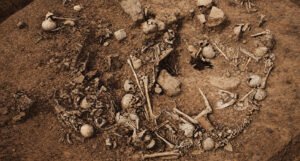
Archaeologists continue to examine burial practices and household artifacts for further evidence. Future excavations may clarify whether hygiene practices were universal or mainly elite customs.
FAQs About Hygiene Practices in the Hittite Civilization
Did the Hittites invent sanitation?
No. Other ancient societies practiced cleanliness, but the Hittites left unusually detailed written rules describing it.
Did they understand germs?
No. Their explanation relied on spiritual impurity rather than microbiology.
Why is this important?
It shows organized public health behavior existed thousands of years before modern medicine.
Were there baths like Roman baths?
No large public bathhouses have been found. Washing was typically domestic or ritual rather than recreational.