
A new scientific analysis connected to the Mysterious Drink is renewing debate about the secret ceremonies of ancient Greece’s Eleusinian Mysteries. Researchers say the ritual beverage consumed by initiates may have contained compounds capable of altering perception. The findings may help explain why participants described powerful visions after ceremonies held for nearly two millennia at Eleusis, near modern-day Athens.
Table of Contents
Mysterious Drink Behind the Eleusinian Initiation Rituals
| Key Fact | Detail |
|---|---|
| Ritual drink name | Kykeon, a barley-based beverage |
| New finding | Grain processing may reduce toxic ergot compounds while preserving psychoactive ones |
| Historical importance | Rituals practiced for nearly 2,000 years |
What the Mysterious Drink Study Found
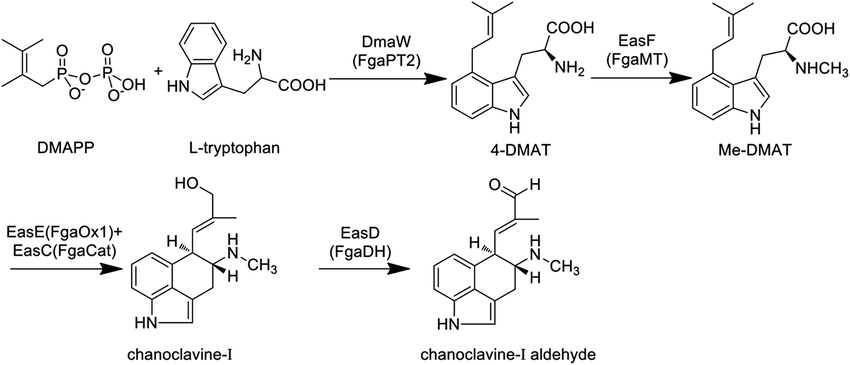
A team of interdisciplinary researchers examined how ancient people could safely prepare a barley drink contaminated with ergot, a fungus that naturally grows on cereal crops. Some ergot compounds share chemical features with lysergic acid derivatives, the molecular family associated with LSD-like effects.
The analysis proposes a plausible preparation method: alkaline treatment of the grain. Soaking or processing barley in a basic solution could have reduced toxic alkaloids while preserving less harmful psychoactive compounds.
“The chemistry shows that an altered-state experience is possible without lethal toxicity,” a contributing researcher explained in a scientific summary released alongside the study. “This makes the hypothesis chemically realistic rather than purely speculative.”
The research does not prove the ritual drink contained psychoactive substances. Instead, it demonstrates that ancient practitioners possessed the practical knowledge necessary to prepare such a beverage safely using technologies available in antiquity.
The Eleusinian Mysteries: A Secret Religious Tradition
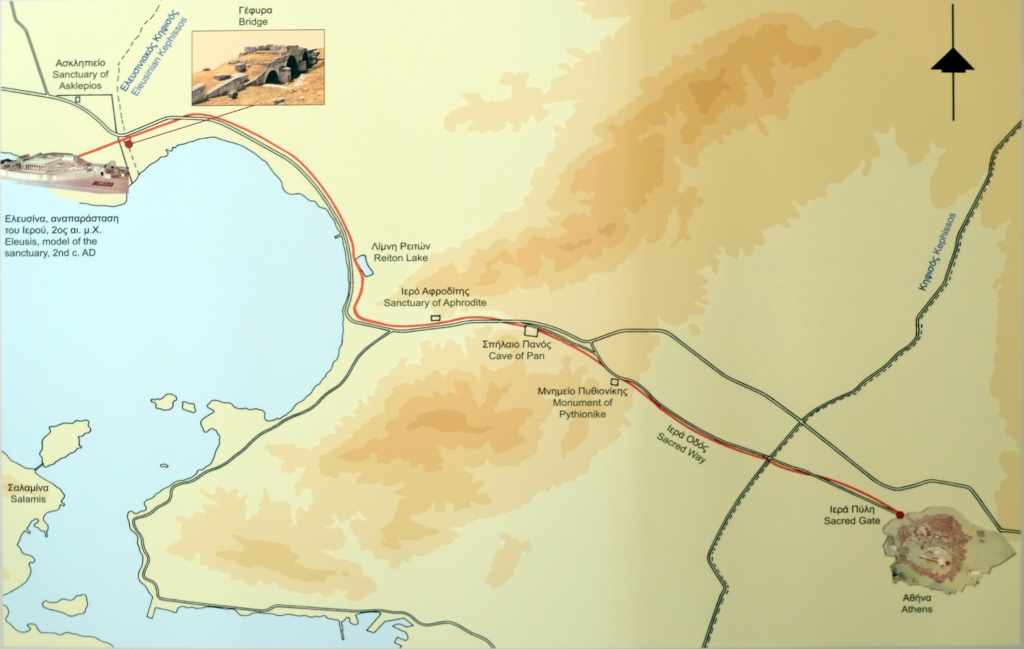
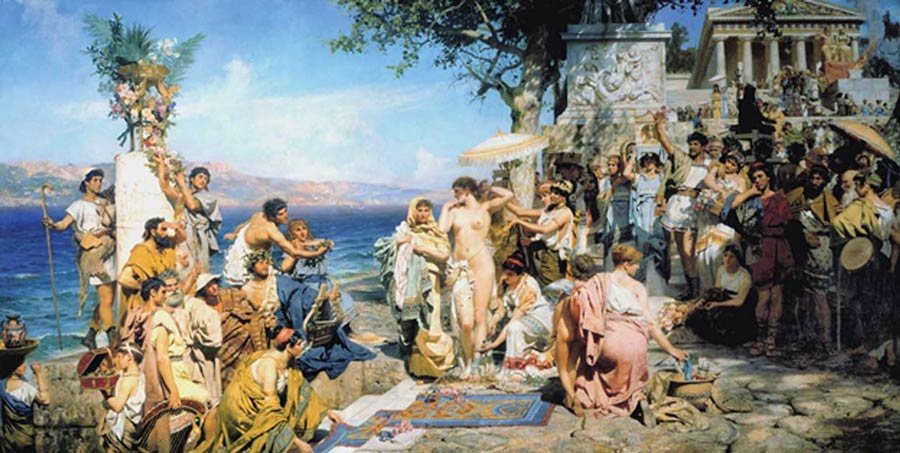
The Eleusinian Mysteries were initiation rites dedicated to Demeter, the goddess of agriculture, and Persephone, associated with seasonal rebirth. Participants walked roughly 14 miles from Athens to Eleusis along the Sacred Way, a ceremonial road lined with shrines and processional stops.
Initiates underwent ritual purification, fasting, and nighttime ceremonies before drinking kykeon, the barley-mint beverage at the center of the ritual.
Ancient writers including Herodotus, Plato, and Sophocles referred to the rites but never revealed their details. Violating secrecy could result in severe punishment, even death in early periods.
What happened after initiates drank the beverage remains unknown. However, surviving accounts consistently describe awe, revelation, and a profound shift in attitudes toward mortality.
Why the Drink Matters
The strength of participants’ reactions has long puzzled historians. Initiates reported losing fear of death and gaining hope for an afterlife.
This reaction stands out because traditional Greek religion rarely promised personal salvation. Public rituals honored gods, but they did not usually provide personal spiritual transformation.
The Eleusinian initiation was different.
Prominent participants included statesmen, soldiers, philosophers, and later Roman emperors. The ceremony crossed class and gender lines, which was unusual in ancient Greek religion.
Scholars propose three explanations:
- A dramatic theatrical performance
- Psychological effects from fasting and darkness
- A pharmacological experience
The Mysterious Drink research strengthens the third explanation by providing a scientifically plausible mechanism.
Archaeological Evidence and Ritual Context
Archaeologists have uncovered large storage vessels, grain processing areas, and drinking cups within the sanctuary complex. These discoveries confirm large-scale preparation and distribution of beverages to thousands of initiates annually.
The Telesterion hall itself could hold several thousand people at once. Its architecture included tiered seating and a central chamber known as the Anaktoron, where sacred objects were displayed.
The ritual sequence appears deliberate:
- Long pilgrimage
- Physical exhaustion
- Fasting
- Darkness
- Sudden revelation
Anthropologists note such sensory manipulation often intensifies perception and emotional experience. Even mild psychoactive compounds could therefore produce dramatic effects.
Scientific Debate Continues
Evidence Supporting a Psychoactive Kykeon
Supporters of the theory point to several factors:
Barley frequently develops ergot fungus.
The ceremonies occurred during agricultural cycles when contaminated grain was available.
Independent accounts describe vivid visions rather than simple symbolic meaning.
Some researchers also note parallels with other ritual traditions in which controlled plant compounds were used for religious experiences.
Skepticism from Historians and Classicists
Many historians remain cautious. No direct chemical residue from Eleusis has yet confirmed psychoactive compounds in a ritual vessel.
Ancient testimonies describe revelation but never intoxication. Initiates retained memory of their experience, suggesting clarity rather than delirium.
A classical archaeologist summarized the concern in a recent academic commentary: without laboratory evidence from a confirmed ritual container, the psychoactive theory remains an informed hypothesis.
Comparisons With Other Ancient Practices
The idea of sacred substances is not unique to Greece. Archaeological and ethnographic research documents ritual beverages in multiple civilizations.
Ancient India’s Vedic texts describe a sacred drink called Soma.
Mesoamerican cultures used peyote and psilocybin mushrooms.
Amazonian traditions employed ayahuasca.
These comparisons do not prove the Greek case, but they show that religious traditions sometimes used controlled natural compounds to produce spiritual experiences.
Historians emphasize the Eleusinian rites were highly regulated. Priests supervised the ceremony, and participants prepared for months. This suggests any psychoactive element would have been carefully administered.
Cultural and Philosophical Impact
The Eleusinian Mysteries influenced Greek philosophy. Plato referred to initiation metaphors when describing enlightenment and knowledge.
Later Roman writers also praised the ceremony. Cicero described the rites as among humanity’s greatest contributions to civilization, stating they taught people how to live and die with hope.
Because literacy was limited, ritual experiences may have been a primary way people encountered spiritual concepts.
The Mysterious Drink theory offers a potential explanation: a shared sensory experience could reinforce belief more powerfully than spoken doctrine.
What Researchers Still Need to Prove
Scientists say confirmation requires direct archaeological chemistry. Residue analysis of ceramic vessels could reveal organic molecules absorbed into pottery.
Modern techniques, including mass spectrometry and micro-sampling, now detect compounds once thought unrecoverable.
However, Mediterranean climate conditions degrade organic material. Many vessels were also reused over centuries, complicating identification.
Researchers therefore caution that definitive proof may remain elusive.
For now, the Mysterious Drink provides a plausible explanation rather than a confirmed one.
The End of the Mystery — or Just Another Clue?
The Eleusinian Mysteries ended in 392 CE when imperial decrees closed pagan sanctuaries across the Roman Empire. The site was later damaged during invasions and gradually abandoned.
Despite its destruction, the tradition influenced Western thought. Themes of rebirth, redemption, and personal salvation later appeared in philosophical and religious systems.
Modern archaeological science continues to revisit ancient questions. New laboratory methods, combined with excavation, may eventually clarify what initiates experienced inside the Telesterion.
Until then, the sanctuary at Eleusis remains one of history’s enduring puzzles — a place where religion, psychology, and chemistry may have intersected.
FAQs About Mysterious Drink Behind the Eleusinian Initiation Rituals
What was kykeon?
A ritual barley drink with mint consumed during initiation into the Eleusinian Mysteries.
Did it contain psychoactive substances?
Possibly. The Mysterious Drink research suggests a chemically plausible pathway but no direct proof yet exists.
Why were the rituals important?
Participants believed they gained insight into death and the afterlife.
Why is this discovery significant today?
It may change understanding of how religious experiences were created in ancient societies.