
Archaeologists in southern Egypt have uncovered a cache of painted coffins belonging to the Amun Singers, temple musicians who served one of ancient Egypt’s most powerful gods. The discovery in Luxor includes 22 decorated wooden coffins and eight sealed papyri dating to the Third Intermediate Period, officials from the Egyptian Ministry of Tourism and Antiquities announced. Experts say the find offers rare insight into women’s religious roles and ancient Egyptian burial practices.
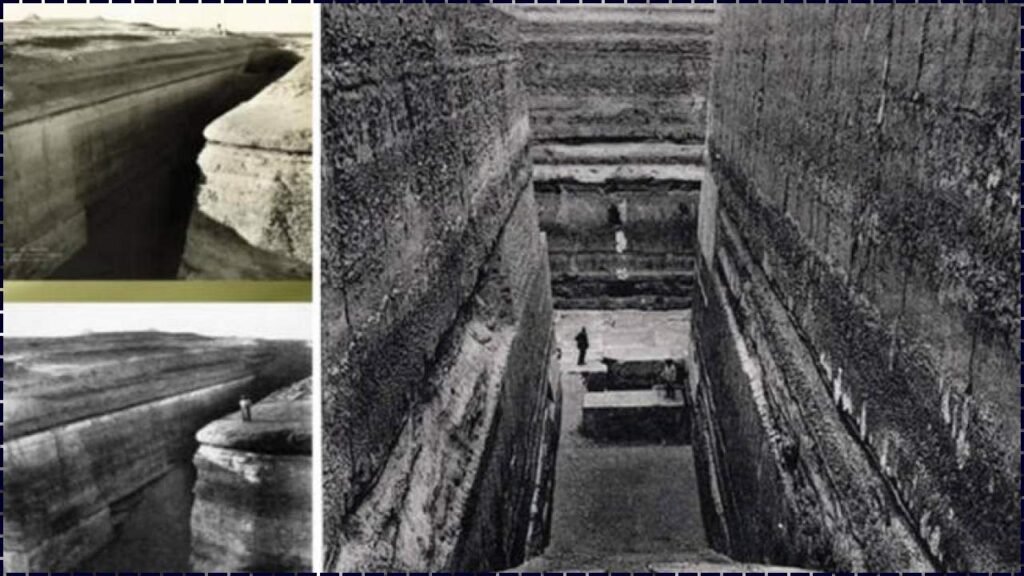
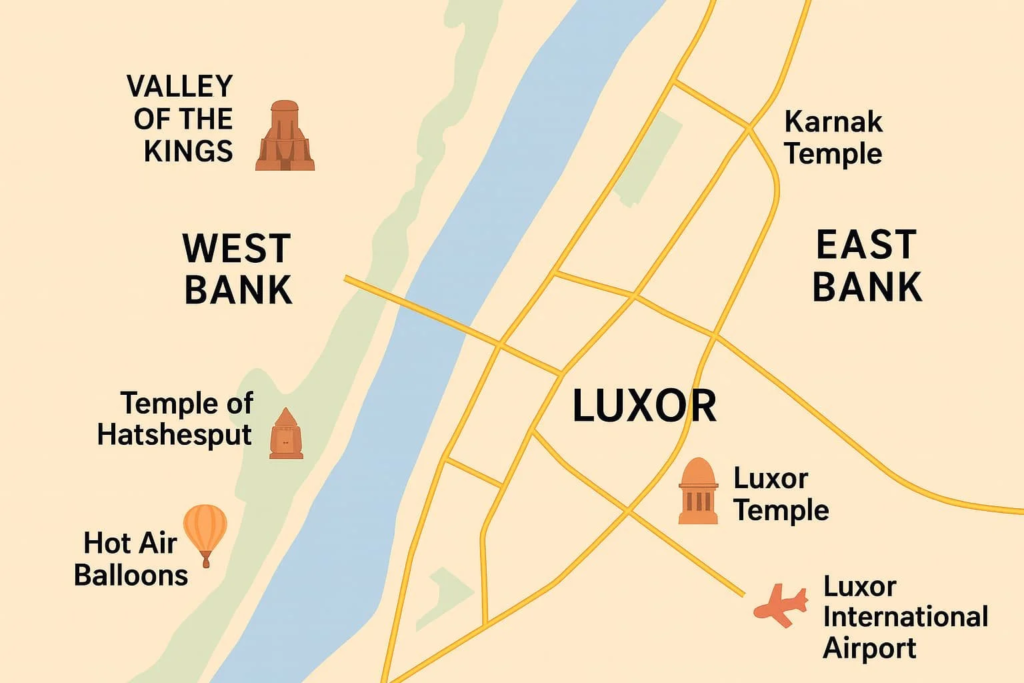
The coffins were found in a rock-cut shaft within the Asasif necropolis on Luxor’s West Bank, part of the ancient city of Thebes.
Table of Contents
Painted Coffins of the Amun Singers in Luxor
| Key Fact | Detail |
|---|---|
| Number of coffins | 22 painted wooden coffins discovered |
| Historical period | Third Intermediate Period (c. 1070–664 BCE) |
| Additional finds | 8 sealed papyri and ceramic vessels |
| Burial location | Asasif necropolis, West Bank of Luxor |
| Religious affiliation | Temple musicians serving the god Amun |
Discovery of the Amun Singers’ Coffins
The burial shaft was uncovered during ongoing excavation work in the Asasif necropolis, a cemetery used extensively by high-ranking officials and priests.
Archaeologists found the coffins carefully stacked in horizontal layers inside a deep shaft. Many remain sealed and intact, still containing mummified remains. Officials described the painted surfaces as vivid and well preserved, featuring hieroglyphic texts and religious scenes.
Preliminary readings show that most inscriptions emphasize the title “Singer of Amun” rather than individual names. This suggests that temple affiliation was central to the women’s identity in life and death.
The burial arrangement indicates intentional planning rather than later reuse. Experts say the organization reflects structured funerary practices common during the Third Intermediate Period.
Who Were the Amun Singers?
The Amun Singers, also called Chantresses of Amun, were women who performed hymns and sacred music in temples dedicated to Amun. Amun was a major deity associated with creation and kingship.
His primary cult center was the Karnak Temple complex in ancient Thebes. During the New Kingdom and into the Third Intermediate Period, the temple grew into one of the largest religious institutions in the ancient world.
Temple chantresses played an active role in ceremonies, festivals, and daily offerings. They used music to invoke divine favor and maintain ritual order.
Scholars note that women held prominent religious roles in Thebes during this era. Some chantresses were connected to elite priestly families, suggesting that temple service offered social prestige.
Dr. Betsy Bryan, an Egyptologist at Johns Hopkins University, has written that women in temple roles could hold economic and ceremonial influence. While not political rulers, their religious function carried lasting cultural significance.
The emphasis on the Amun Singers’ title in these coffins underscores how religious service shaped personal identity during this period.
The Third Intermediate Period: A Time of Religious Power
The coffins date to the Third Intermediate Period, a complex era following the collapse of centralized New Kingdom rule.
Political authority became divided between rulers in northern Egypt and powerful priestly networks in Thebes. The priesthood of Amun controlled vast landholdings and wealth.
According to research from the British Museum, temple institutions during this period were central to governance and economic management in Upper Egypt.
The prominence of the Amun Singers in burial inscriptions reflects that influence. Religious affiliation could outweigh political allegiance in defining social standing.
Historians say this period demonstrates how spiritual authority helped maintain cultural continuity during political fragmentation.
What the Sealed Papyri May Reveal
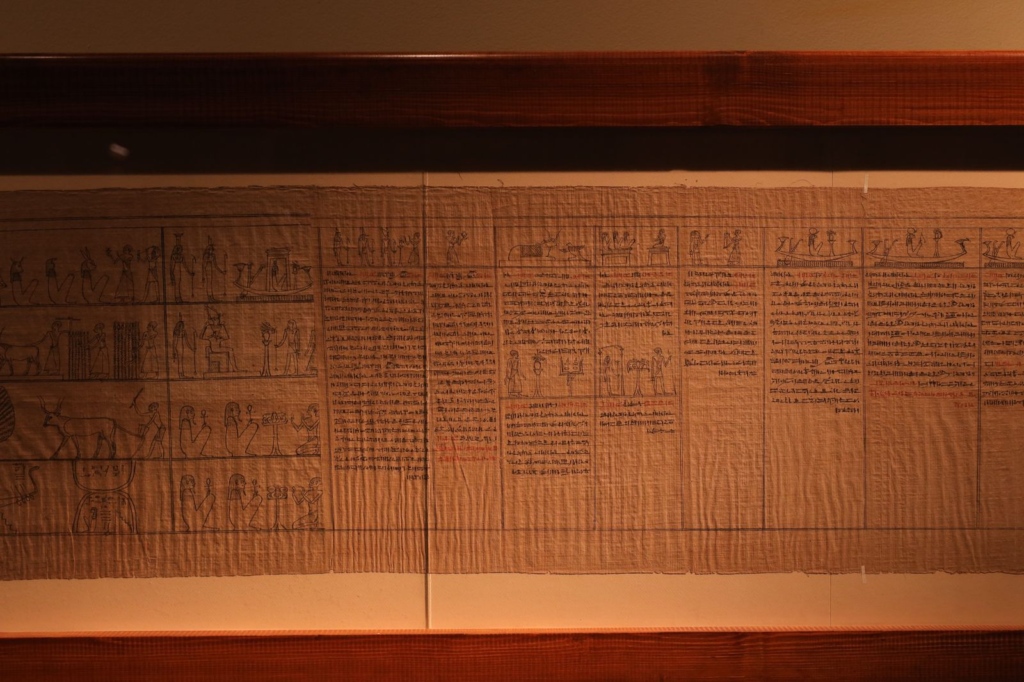
Among the most significant elements of the discovery are eight sealed papyri stored in ceramic vessels.
Some seals remain intact, which may indicate that the documents have not been opened since antiquity. Conservators will conduct controlled laboratory procedures to prevent deterioration.
Comparable papyri from this era often contain funerary texts such as portions of the “Book of the Dead,” legal documents, or temple records.
If preserved, these texts could clarify how the Amun Singers prepared for burial and what rituals were performed.
Artistic and Religious Symbolism
The painted coffins display iconography associated with resurrection and divine protection.
Common motifs include the goddess Nut spreading her wings, the Eye of Horus, and scenes of offering rituals. These symbols were intended to ensure safe passage into the afterlife.
The vivid colors—often blue, yellow, red, and green—reflect mineral-based pigments used in ancient Egyptian art.
Art historians note that coffin decoration during the Third Intermediate Period often became increasingly elaborate. Religious imagery compensated for political instability by reinforcing eternal order.
Scientific Analysis and Conservation Efforts
Conservation teams will employ non-invasive imaging technologies, including CT scans and infrared photography, to examine the mummies and inscriptions without causing damage.
Radiocarbon testing may help confirm dating, while pigment analysis could reveal trade networks for mineral resources.
Egyptian authorities say preservation is a priority. The coffins will likely undergo stabilization before potential display in a museum setting.
Specialists caution that opening sealed papyri requires months of preparation to prevent exposure to humidity and air.
Broader Impact on Archaeology and Tourism
Luxor remains central to Egypt’s cultural heritage economy. Officials frequently highlight discoveries to promote sustainable tourism.
The Asasif necropolis has yielded several intact burial shafts in recent years. Archaeologists believe many more remain undiscovered beneath the desert surface.
Officials say the discovery of the Amun Singers contributes to a broader effort to document lesser-known religious figures, not only pharaohs and high priests.
The focus on women’s religious roles has drawn international scholarly attention.
Women and Religious Authority in Ancient Egypt
The Amun Singers illustrate how women participated in structured religious institutions.
While ancient Egyptian society was hierarchical, women could own property, initiate legal action, and serve in temple positions.
Temple chantresses were not passive participants. Their roles were institutionalized and symbolically important.
Archaeological evidence suggests that music and ritual performance were integral to maintaining divine harmony, known as ma’at.
The discovery reinforces scholarly arguments that women held visible spiritual authority in ancient Thebes.
What Comes Next
Archaeologists will continue excavations around the burial shaft to determine whether additional chambers exist.
Translation of inscriptions may identify family connections or geographic origins of the women.
Officials have not announced when the coffins might go on public display, but they indicated that conservation must be completed first.
Researchers say the discovery of the Amun Singers provides new material evidence for understanding ancient Egyptian burial practices and temple hierarchies.
Further analysis of the papyri could reshape interpretations of religious administration during the Third Intermediate Period.
FAQs About Painted Coffins of the Amun Singers in Luxor
What are the Amun Singers?
The Amun Singers were female temple musicians who performed sacred hymns dedicated to the god Amun.
Why is this discovery important?
The intact coffins and sealed papyri offer rare primary evidence about religious roles and burial customs in ancient Thebes.
Where were the coffins found?
They were discovered in the Asasif necropolis on Luxor’s West Bank.