

District Central Cooperative Banks: District Central Cooperative Banks (DCCBs) are a backbone of rural financial systems, helping farmers get the money they need to grow crops, buy equipment, and keep their communities thriving. If you’ve ever wondered how small farmers manage to finance seeds, fertilizers, or irrigation without relying on high-interest lenders, chances are District Central Cooperative Banks are part of that story.
In simple terms, District Central Cooperative Banks operate at the district level within a cooperative banking structure designed to serve rural communities. They connect large state-level cooperative banks with village-level credit societies, ensuring money reaches the farmers who need it most. Think of them like a community-driven agricultural bank, working to strengthen local economies and provide fair financial access. While the cooperative banking system started in India, the idea is familiar in the United States too. In many ways, DCCBs resemble credit unions and agricultural lending institutions that support local farmers and rural entrepreneurs.
Table of Contents
District Central Cooperative Banks
District Central Cooperative Banks (DCCBs) play a critical role in strengthening rural economies and supporting agricultural development. By providing affordable credit, mobilizing rural savings, and connecting state financial institutions with village communities, these banks help millions of farmers sustain their livelihoods. Despite facing challenges such as technological gaps and competition from commercial banks, cooperative institutions remain deeply rooted in local communities. With modernization and digital transformation, DCCBs are well positioned to continue supporting farmers and rural entrepreneurs for decades to come.

| Category | Key Information |
|---|---|
| Institution Type | District-level cooperative banks supporting agriculture and rural credit |
| Primary Role | Provide loans to farmers through Primary Agricultural Credit Societies (PACS) |
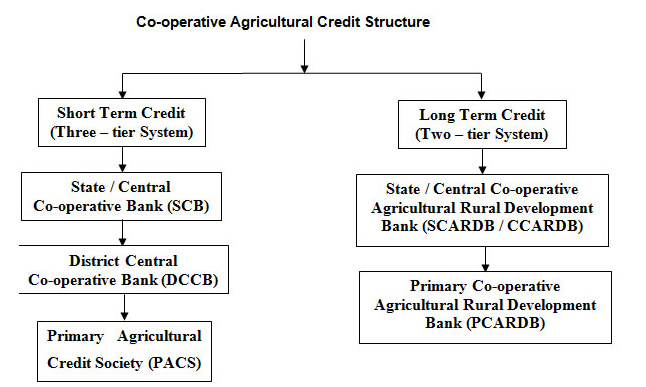
| Cooperative Structure | 3-tier system: State Cooperative Banks → DCCBs → PACS |
| Estimated Institutions | About 370+ District Central Cooperative Banks serving millions of farmers |
| Key Beneficiaries | Farmers, rural entrepreneurs, agricultural workers |
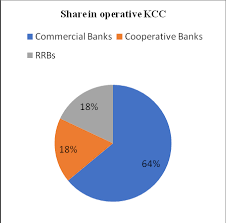
| Agricultural Credit Share | Cooperative institutions contribute roughly 15–20% of farm credit |
| Services Offered | Crop loans, farm equipment loans, deposits, financial inclusion |
| Regulatory Oversight | Supervised by banking regulators and rural development authorities |
| Official Reference | https://financialservices.gov.in |
Understanding District Central Cooperative Banks
What Are District Central Cooperative Banks?
District Central Cooperative Banks (DCCBs) are cooperative financial institutions that operate at the district level, mainly serving rural and semi-urban populations. They are owned by cooperative societies and their members, which often include farmers, small businesses, and agricultural organizations.
Unlike large commercial banks focused on profit, DCCBs emphasize community development and agricultural support. Their mission is straightforward:
Provide affordable financial services that help rural communities grow.
These banks operate through local branches, making banking accessible to people who might otherwise have to travel long distances to reach a traditional bank.
History and Evolution of Cooperative Banking
To understand DCCBs, it helps to look back at how cooperative banking started.
The cooperative movement was introduced in the early 1900s to protect farmers from exploitative moneylenders who charged extremely high interest rates. Farmers needed a system where they could pool resources and borrow money at fair terms.
Over time, the cooperative system developed into a structured network consisting of:
- State Cooperative Banks
- District Central Cooperative Banks
- Primary Agricultural Credit Societies
This system allowed financial resources to flow from larger institutions down to the smallest farming communities.
Today, millions of farmers rely on this network to finance agricultural production and rural development.
How the District Central Cooperative Banks Structure Works?
The cooperative credit system typically follows a three-tier structure designed to distribute funds efficiently.
1. State Cooperative Banks (SCBs)
These banks operate at the state level and serve as the apex institutions in the cooperative banking system. They provide funds and policy guidance to district-level banks.
2. District Central Cooperative Banks (DCCBs)
DCCBs operate at the district level. They distribute funds to village societies and ensure financial services reach local communities.
3. Primary Agricultural Credit Societies (PACS)
These are village-level institutions that interact directly with farmers. PACS provide loans, collect repayments, and help farmers access government programs.
Think of this system like a financial pipeline:
State Bank → District Bank → Village Society → Farmer
Each layer ensures that funds are distributed efficiently and responsibly.
Why Farmers Depend on District Central Cooperative Banks?
Agriculture involves significant financial risks. Weather changes, crop diseases, and fluctuating market prices can affect farmers’ incomes.
Without access to reliable credit, farmers may turn to private lenders charging high interest rates. This is where District Central Cooperative Banks become essential partners for rural communities.
Affordable Crop Loans
Farmers need money to purchase:
- Seeds
- Fertilizers
- Pesticides
- Fuel for machinery
DCCBs provide short-term crop loans that allow farmers to cover these costs and repay the loan after harvesting.
Equipment Financing
Modern agriculture relies heavily on technology and equipment. DCCBs help farmers finance:
- Tractors
- Harvesters
- Irrigation systems
- Storage facilities
This improves productivity and efficiency.
Financial Inclusion
Many rural areas lack access to commercial banks. DCCBs bring essential banking services to these communities, including:
- Savings accounts
- Deposits
- Basic banking services
- Rural credit programs
These services help integrate rural populations into the formal financial system.
Major Functions of District Central Cooperative Banks
Lending to Cooperative Societies
One of the most important roles of DCCBs is lending money to Primary Agricultural Credit Societies, which then distribute loans directly to farmers.
Mobilizing Rural Savings
DCCBs collect deposits from individuals, businesses, and organizations within their districts. These deposits become the funds used for agricultural lending.
Supervising Local Societies
District cooperative banks monitor the functioning of PACS to ensure transparency and accountability in lending operations.
Supporting Government Programs
DCCBs also help implement government schemes aimed at improving agriculture and rural development.
Examples include:
- Crop insurance programs
- Rural employment initiatives
- Agricultural modernization projects
Services Offered by DCCBs
District Central Cooperative Banks offer a wide range of services designed to support rural communities.
Deposit Services
Residents can open savings accounts and fixed deposits, allowing them to store money safely and earn interest.
Agricultural Loans
Farmers receive short-term and medium-term loans to finance farming activities.
Business Loans
Small rural businesses can obtain financing to expand operations or purchase equipment.
Payment Services
Many DCCBs now offer digital banking, mobile banking, and electronic payments.
Benefits of Cooperative Banking for Rural Communities
Cooperative banks create strong economic and social benefits.
Lower Interest Rates
Loans from cooperative banks are typically cheaper than those from informal lenders.
Community Ownership
Members of the cooperative system have a say in how the bank operates.
Stronger Local Economies
When farmers receive affordable credit, they can increase production, which boosts rural economies.
Reduced Poverty
Access to fair financial services helps improve living standards in rural areas.
Challenges Facing District Central Cooperative Banks
Despite their importance, DCCBs face several challenges.
Governance Issues
Sometimes cooperative banks experience political influence that affects decision-making.
Limited Capital
Compared to large commercial banks, cooperative banks often have smaller financial reserves.
Technological Gaps
Many rural banks are still upgrading their digital infrastructure.
Competition
Commercial banks and microfinance institutions increasingly compete for rural customers.
However, modernization initiatives and digital banking improvements are helping cooperative banks remain competitive.
How Farmers Can Benefit from District Central Cooperative Banks?
Farmers and rural entrepreneurs can maximize the benefits of cooperative banking by following a few simple steps.
Step 1: Join a Cooperative Society
Membership in a Primary Agricultural Credit Society often makes it easier to access loans.
Step 2: Maintain Financial Records
Keeping clear records of income and expenses improves loan eligibility.
Step 3: Use Loans for Productive Activities
Loans should be used for activities that generate income, such as purchasing equipment or improving irrigation systems.
Step 4: Repay Loans on Time
Timely repayment builds trust with the bank and increases access to future credit.
Role of Technology in Modernizing DCCBs
Technology is transforming cooperative banking.
Many District Central Cooperative Banks are adopting:
- Mobile banking apps
- Online account management
- Digital payment systems
- ATM networks
These innovations make banking easier and faster for rural customers.
Digitalization also improves transparency and operational efficiency within cooperative banks.
Career Opportunities in Cooperative Banking
DCCBs also provide meaningful employment opportunities.
Professionals can build careers in areas such as:
- Rural banking management
- Agricultural finance
- Cooperative administration
- Financial technology implementation
Working in cooperative banking allows professionals to contribute directly to rural development.