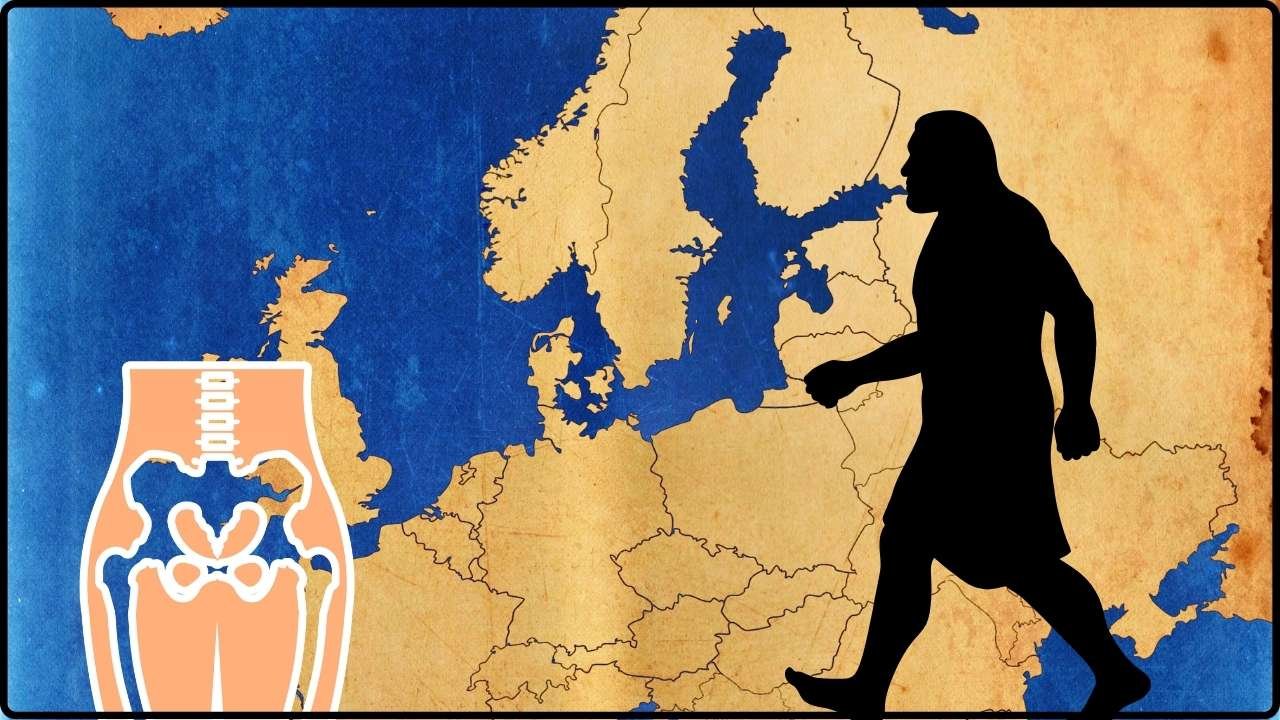

Human evolution has long been explained through the widely accepted Out of Africa theory, which states that modern humans originated in Africa and later migrated across the world. For decades, fossil discoveries and genetic research have supported this view, placing Africa at the center of humanity’s story.
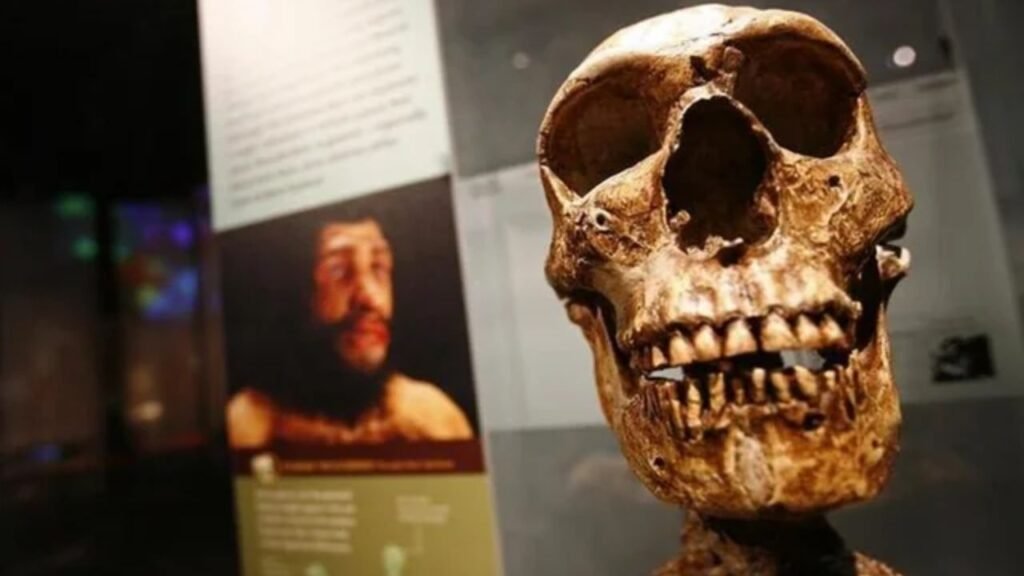
However, new fossil evidence is prompting scientists to reconsider some parts of this long-standing narrative. A recently reanalyzed ancient skull discovered in China is raising fresh questions about when and where important stages of human evolution took place. The discovery has sparked intense discussion among paleoanthropologists because it may suggest that early human populations were more widespread and diverse than previously believed. While the evidence does not completely overturn the traditional theory, it highlights the possibility that human evolution involved multiple populations across different regions interacting with each other over long periods of time.
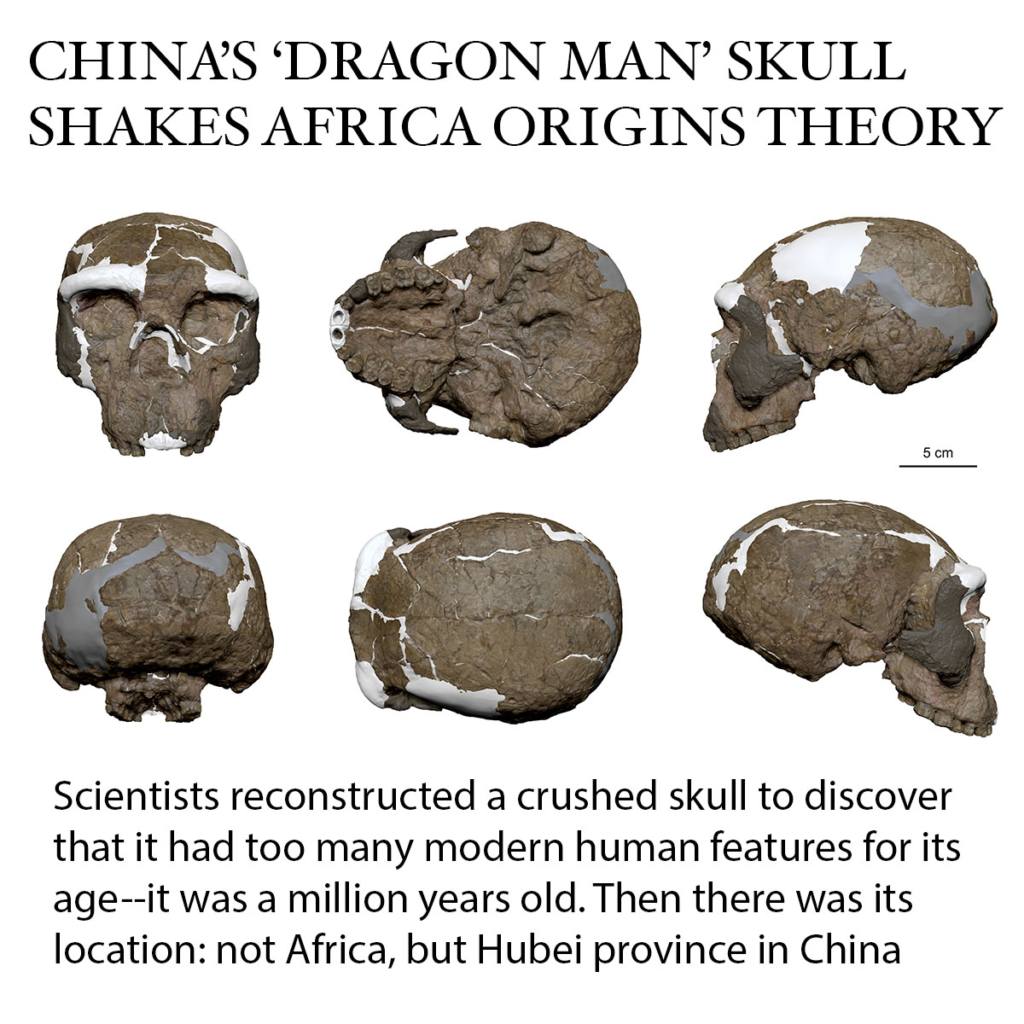
The skull discovery challenging the Out of Africa theory centers on the reconstruction of the ancient Yunxian 2 skull, a fossil unearthed in Hubei Province, China. Scientists recently used advanced digital reconstruction techniques to analyze the fossil more accurately. Their findings suggest that the skull belongs to a human lineage that lived nearly one million years ago, significantly earlier than many researchers expected for certain advanced human traits.
The fossil’s characteristics indicate that large brain sizes and other human-like features may have appeared earlier and possibly outside Africa. This has led researchers to explore the idea that human evolution was not limited to a single region but may have involved several populations across Africa and Eurasia evolving simultaneously.
Table of Contents
Skull Discovery Is Challenging the Traditional Out of Africa Theory
| Key Information | Details |
|---|---|
| Discovery | Yunxian 2 skull |
| Location | Hubei Province, China |
| Estimated Age | About 1 million years old |
| Study Method | Digital reconstruction and fossil analysis |
| Possible Species Connection | Denisovan-related or other ancient human lineage |
| Significance | Suggests early human traits may have developed earlier than expected |
| Impact on Theory | Challenges aspects of the traditional Out of Africa model |
The Traditional “Out of Africa” Theory
For many years, scientists have relied on the Out of Africa model to explain the origins of modern humans. According to this theory, Homo sapiens evolved in Africa roughly 200,000 to 300,000 years ago. From there, human populations gradually migrated into Europe, Asia, and other parts of the world.
Genetic evidence has strongly supported this explanation. Studies of human DNA consistently show that the deepest genetic roots of modern humans can be traced back to African populations. Fossil discoveries from sites in East Africa have also provided strong physical evidence of early human ancestors living on the continent.
Because of this combination of fossil records and genetic research, the Out of Africa theory has remained the dominant explanation for human origins for decades.
The Skull That Sparked the Debate
The Yunxian 2 skull was first discovered in the early 1990s, but only recently have scientists been able to reconstruct it fully using modern imaging technology. The fossil was badly compressed over time, making it difficult for earlier researchers to study its true shape and structure.
With new digital modeling techniques, scientists were able to recreate the skull’s original form. The reconstruction revealed several surprising features, including a relatively large cranial capacity and structural traits that appear more advanced than expected for a fossil of its age.
Because the skull dates back nearly one million years, these characteristics have sparked questions about how quickly early human populations were evolving and whether similar developments were happening in multiple regions simultaneously.
Some researchers also believe the skull may be connected to ancient populations such as Denisovans, a mysterious group of archaic humans known primarily from genetic evidence found in Asia.
Why the Discovery Challenges the Existing Model
The significance of this skull lies in what it suggests about the timeline of human evolution. If certain human-like features appeared earlier than previously believed, scientists may need to reconsider the idea that these developments occurred only within African populations.
Instead, early human species might have been spread across Africa and Eurasia, evolving in parallel while occasionally interacting and exchanging genes. This concept aligns with a more complex evolutionary network rather than a single linear path.
In this scenario, different populations of early humans could have developed similar traits independently or through genetic exchange over thousands of years. Such interactions may have played a role in shaping the eventual emergence of modern humans.
A More Complex Human Evolution Story
Over the past two decades, discoveries in genetics and archaeology have already begun to reveal that human evolution was more complicated than previously thought. Evidence shows that modern humans interbred with other ancient human groups such as Neanderthals and Denisovans after migrating out of Africa.
This means that modern human ancestry includes contributions from several ancient populations. The Yunxian skull discovery adds another piece to this puzzle by suggesting that early human populations in Asia may have played a more important role in evolutionary history than once assumed.
Instead of a simple migration from one region to the rest of the world, the story of human origins may involve multiple migrations, interactions, and regional developments over long periods of time.
Why Scientists Are Still Cautious
Despite the excitement surrounding the discovery, most researchers emphasize that the Out of Africa theory is not being completely replaced. Genetic data from modern human populations still strongly points to Africa as the primary birthplace of Homo sapiens.
What the new fossil evidence suggests is that the evolutionary process leading to modern humans may have been more widespread and complex than a single-origin model implies.
Scientists also stress that conclusions based on a single fossil must be approached carefully. Additional discoveries and further research will be necessary before any major revisions to the existing theory can be confirmed.
New fossil findings, improved dating techniques, and advances in ancient DNA analysis will likely continue to reshape our understanding of human evolution in the coming years.
The Importance of Fossil Discoveries in Human Evolution
Fossils remain one of the most valuable sources of information about our ancient past. Each new discovery provides clues about how early humans lived, moved, and evolved.
The Yunxian skull is particularly significant because it highlights the importance of reexamining previously discovered fossils using modern technology. Advances in digital imaging, scanning, and reconstruction are allowing scientists to uncover details that were impossible to detect decades ago.
These methods are helping researchers reconstruct damaged fossils, estimate brain sizes, and analyze structural features more accurately than ever before.
As technology improves, scientists are likely to revisit other fossils in museum collections around the world, potentially uncovering new insights into human history.
Conclusion
The reconstruction of the ancient Yunxian 2 skull has opened an intriguing new chapter in the study of human evolution. By revealing features that appear more advanced than expected for a million-year-old fossil, the discovery is encouraging scientists to reconsider how early human populations developed and spread across continents.
While the traditional Out of Africa theory remains strongly supported by genetic evidence, this new research suggests that the path to modern humans may have involved a far more complex network of populations than previously believed. Early humans may have evolved across multiple regions, interacting and exchanging traits over hundreds of thousands of years.
As new fossils are discovered and old ones are studied with improved technology, our understanding of humanity’s origins will continue to evolve. Rather than rewriting the entire story, the Yunxian skull discovery reminds us that the history of human evolution is still unfolding, with many chapters yet to be discovered.