
Travel often inspires curiosity about history and culture. When people visit ancient ruins, archaeological parks, or historic monuments, they often feel a strong connection with the past. Unfortunately, some travelers make the mistake of taking small pieces of these historic sites as souvenirs.
What may seem like a harmless act can actually cause serious damage to cultural heritage. Over the years, several travelers have taken artifacts from famous archaeological sites, only to return them later out of guilt, fear of legal consequences, or personal reflection.
Stories of ancient artifacts returned by travelers reveal how cultural awareness and moral responsibility can influence people long after their trip ends. In many cases, individuals who once took fragments of historic sites later realized the importance of preserving these objects for future generations. Some mailed the items back anonymously with apology letters, while others contacted authorities to arrange official returns. These incidents highlight the growing awareness that artifacts belong to humanity’s shared history rather than personal collections.
Table of Contents
Travelers Who Returned Ancient Artifacts
| Case | Location | Artifact Returned | Reason for Return | Year Reported |
|---|---|---|---|---|
| Pompeii Tourist Case | Pompeii, Italy | Mosaic tiles, pottery pieces | Belief in bad luck and guilt | 2020 |
| Ancient Olympia Return | Olympia, Greece | 2,400-year-old limestone fragment | Moral responsibility decades later | 2025 |
| Roman Mosaic Repatriation | Pompeii, Italy | Roman-era mosaic panel | Returned by heirs of WWII soldier | 2023 |
| Okinawa War Artifacts | Okinawa, Japan | 22 historical artifacts | Returned by family after discovery | 2024 |
The “Pompeii Curse” – Tourists Returning Stolen Relics
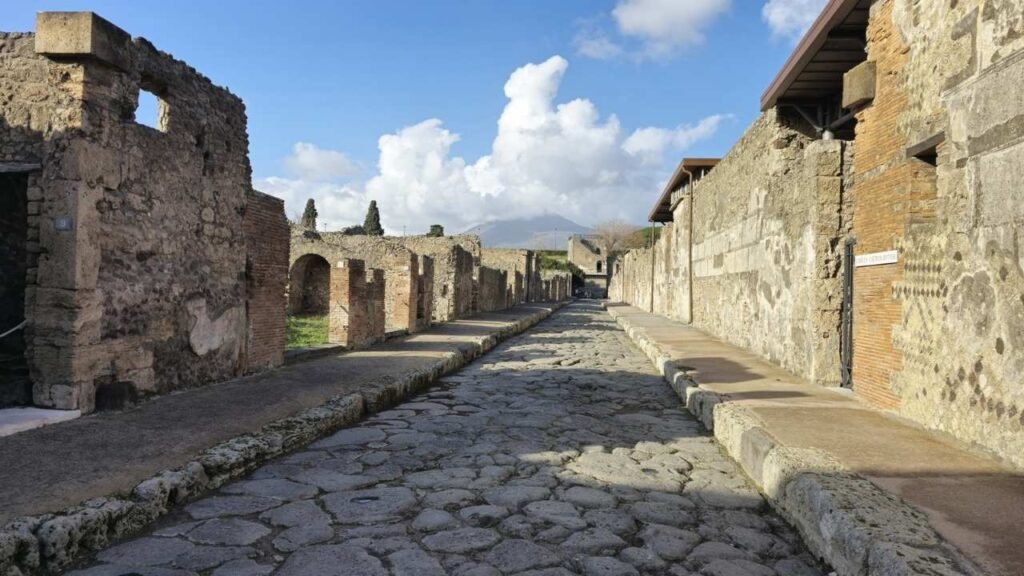
One of the most famous examples of travelers returning artifacts comes from Pompeii in Italy. The ancient Roman city was buried after the eruption of Mount Vesuvius in AD 79 and is now one of the world’s most visited archaeological sites. Despite strict regulations, some visitors have taken small fragments such as stones, pottery pieces, and mosaic tiles as souvenirs.
In 2020, a Canadian tourist returned several items she had taken during a visit in 2005. The artifacts included mosaic tiles, pieces of an amphora, and fragments of ceramic pottery. Along with the items, she sent a handwritten letter explaining why she had decided to return them. According to her letter, she believed the objects had brought her years of bad luck and health problems. She referred to the items as “cursed” and felt that returning them was the only way to correct her mistake.
This was not an isolated incident. Over the years, the archaeological park in Pompeii has received numerous packages from around the world containing stolen artifacts. Many of these parcels include apology letters from travelers who regret taking the items. Some describe experiencing misfortune after their visit, while others say they simply realized the importance of protecting historical sites.
These repeated stories have led to the popular idea of the “Pompeii curse.” While archaeologists do not believe in such a curse, the stories have unintentionally helped discourage theft by reminding visitors of the consequences of removing artifacts from historic places.
A 2,400-Year-Old Greek Relic Returned After 60 Years
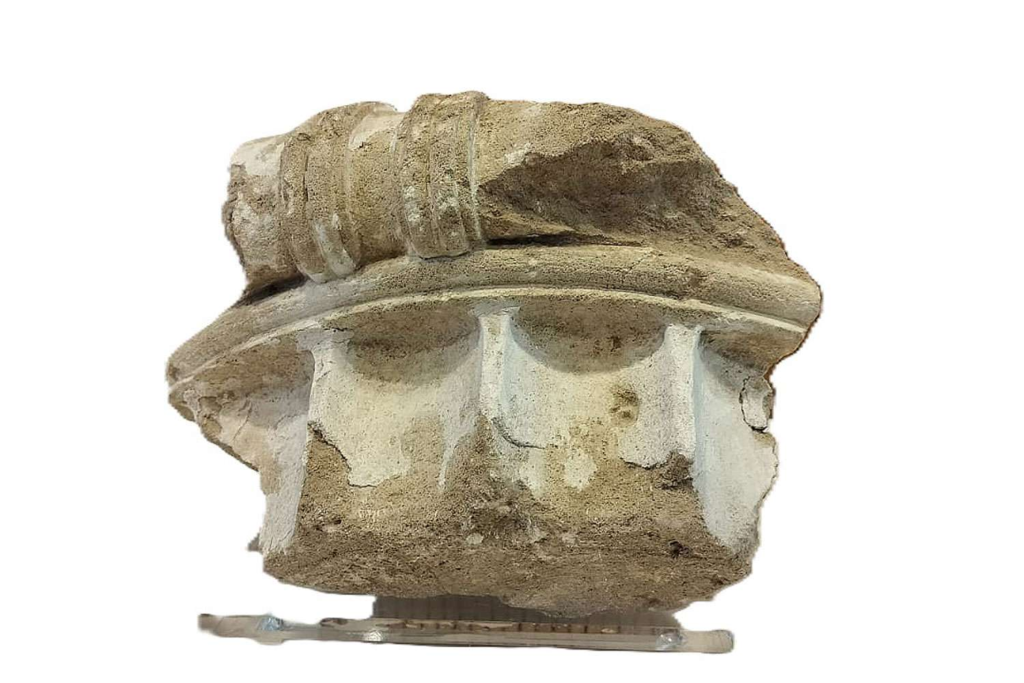
Another remarkable case involved a relic taken from Ancient Olympia in Greece. The site, known as the birthplace of the Olympic Games, holds immense historical significance and attracts visitors from around the world.
In the 1960s, a German tourist visiting the archaeological site took a small limestone fragment from the Leonidaion complex. The artifact was believed to be around 2,400 years old. At the time, the tourist kept it as a personal souvenir without fully considering its historical value.
Decades later, the same individual decided to return the artifact. After more than sixty years, she contacted researchers and arranged for the relic to be officially repatriated. In October 2025, the fragment was finally returned to Greek authorities.
Greek officials welcomed the return, emphasizing that even small fragments play an important role in understanding historical sites. The act was praised as a meaningful step toward restoring cultural heritage and respecting the integrity of ancient monuments.
WWII-Stolen Roman Mosaic Finally Returned
Not all returned artifacts come from recent tourist visits. In some cases, historical objects taken during wartime resurface many decades later.
During World War II, a Nazi officer reportedly removed a Roman mosaic panel from Pompeii. The artifact eventually passed through private ownership and remained outside Italy for years. Eventually, the heirs of the last owner decided to contact authorities after discovering the mosaic in their family collection.
In 2023, the mosaic was officially returned to Pompeii. The artifact was then placed under the care of the archaeological park, where it could be preserved and studied by experts. The return demonstrated how families sometimes choose to correct historical injustices even generations later.
Cases like this highlight the importance of provenance research, which helps museums and authorities trace the origins of artifacts and determine whether they were removed illegally or during periods of conflict.
Families Returning War-Looted Artifacts
In some situations, artifacts are returned when families discover them among inherited belongings. Many objects taken during wars were kept as personal keepsakes by soldiers and later passed down through generations.
A notable example occurred in 2024 when the FBI helped recover 22 historical artifacts originally taken from Okinawa, Japan during World War II. The items were discovered in the collection of an American family who had inherited them from a relative who served in the war.
After realizing the cultural significance of the objects, the family cooperated with authorities to arrange their return. The artifacts were eventually repatriated to Okinawa, where they could be preserved as part of Japan’s historical heritage.
This case demonstrates how awareness and cooperation can help restore historical objects to their rightful cultural context, even many decades after they were removed.
Why Travelers Return Stolen Artifacts
There are several reasons why travelers eventually return artifacts they once took from historic sites.
One of the most common reasons is guilt. Many people later realize that taking an object from an archaeological site damages cultural heritage and deprives others of the chance to experience it in its original setting.
Another factor is increased awareness about heritage protection. Educational campaigns, museum programs, and stricter regulations have helped inform travelers about the importance of preserving historical sites.
In some cases, people fear legal consequences. Many countries have strict laws against removing artifacts from archaeological locations, and travelers may worry about potential penalties.
Finally, cultural beliefs also play a role. Stories such as the “Pompeii curse” have encouraged some visitors to return items they believe may bring misfortune.
The Importance of Protecting Archaeological Sites
Archaeologists emphasize that even the smallest artifact has historical value. When an object is removed from its original location, important information about its context can be lost. This information helps researchers understand how ancient people lived, worked, and interacted with their environment.
Archaeological sites are carefully studied environments where every artifact contributes to a larger historical narrative. Removing items disrupts this context and can make it difficult for historians to reconstruct the past accurately.
For this reason, authorities around the world encourage visitors to appreciate historic sites responsibly. Instead of taking physical souvenirs, travelers are encouraged to take photographs, learn about the history of the site, and support preservation efforts.
Conclusion
The stories of travelers who returned ancient artifacts after taking them home show how perspectives can change over time. What once seemed like a harmless souvenir can later be recognized as a piece of shared human history.
From Pompeii to Ancient Olympia and Okinawa, these cases highlight the importance of respecting cultural heritage and preserving archaeological sites. Whether returned because of guilt, moral reflection, or a sense of responsibility, each repatriated artifact helps restore part of history to its rightful place.
Ultimately, these stories serve as reminders that historical treasures belong not to individuals but to the global community. Protecting them ensures that future generations can continue to learn from and appreciate the rich legacy of the past.