
For thousands of years, the forests of eastern Europe quietly guarded a secret buried beneath layers of soil and vegetation. What looked like an untouched natural landscape recently turned out to be something far more remarkable.
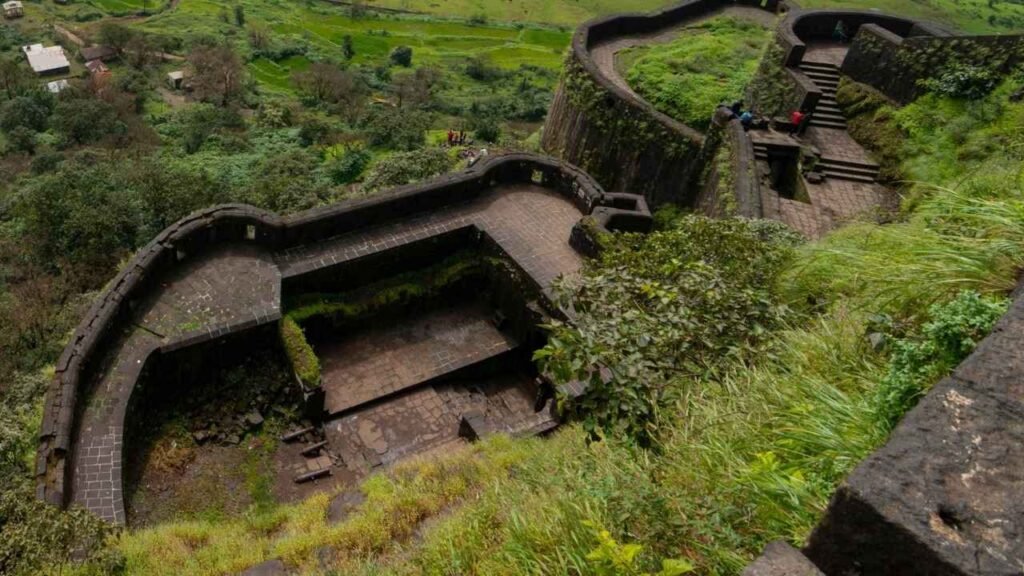
Archaeologists have uncovered evidence of a 5,000-year-old fortress hidden beneath dense forest in Romania, revealing a forgotten chapter of prehistoric civilization. This discovery, made possible through modern technology, has reshaped how researchers understand ancient settlements and their defensive systems.
The finding is not just about a single structure but about the people who built it. Long before written records existed, communities were already organizing large construction projects, shaping landscapes, and building defenses to protect their settlements. The fortress remained hidden for centuries because forests gradually covered the land, masking the human-made structures beneath.
The 5,000-year-old fortress discovered in Romania represents one of the most fascinating archaeological revelations in recent years. Located in Neamț County, the ancient site was identified using advanced LiDAR technology, which allowed researchers to map the terrain beneath dense vegetation. This technique exposed a complex network of defensive walls, ditches, and raised structures that were previously impossible to see from ground level.
Unlike traditional archaeological discoveries that rely mainly on excavation, this fortress was detected through aerial scanning and digital terrain modeling. The technology revealed that the area once hosted a large fortified settlement, suggesting that prehistoric communities had already developed sophisticated planning and defensive strategies thousands of years ago.
Table of Contents
Hidden 5,000-Year-Old Fortress
| Key Detail | Information |
|---|---|
| Discovery Location | Neamț County, Romania |
| Estimated Age | Around 5,000 years old |
| Historical Period | Late Neolithic to Early Bronze Age |
| Discovery Method | LiDAR scanning using drones |
| Key Features | Earthen ramparts, defensive ditches, fortified layout |
| Importance | Shows advanced planning and defense in ancient settlements |
How the Fortress Was Discovered
The hidden fortress was revealed through LiDAR (Light Detection and Ranging) technology. This method uses laser pulses to scan the ground from above and measure the reflections to create detailed maps of the landscape.
When archaeologists conducted aerial surveys using drones equipped with LiDAR sensors, they noticed unusual shapes beneath the forest canopy. The scans showed straight lines, raised earthworks, and geometric patterns that clearly indicated human construction rather than natural formations.
What makes LiDAR particularly valuable is its ability to penetrate dense vegetation. Even when thick forests cover the ground, the technology can capture the surface beneath by filtering out trees and plants. This allows researchers to detect ancient structures that would otherwise remain invisible.
In this case, LiDAR mapping revealed the outline of an entire fortified settlement hidden beneath centuries of natural growth.
What the Fortress Looks Like
The digital terrain models created from LiDAR scans show that the fortress was far more than a small defensive structure. Instead, it appears to have been a large and carefully planned fortified settlement.
Several key features were identified:
- Massive earthen ramparts surrounding the settlement
- Deep defensive ditches designed to slow down attackers
- Raised platforms or mounds that may have served as observation points
- A structured layout indicating organized construction
These elements suggest that the settlement was strategically designed for protection. The defensive walls likely helped protect inhabitants from rival groups, while elevated areas allowed people to monitor the surrounding landscape.
The scale of the construction indicates that building the fortress required coordinated effort and strong leadership within the community.
Life Inside the Ancient Fortified Settlement
Although researchers are still studying the site, the fortress offers clues about how prehistoric communities lived and organized themselves.
The presence of large defensive structures suggests that the settlement may have been an important regional center. People living there were likely farmers and craftsmen who depended on agriculture and trade with nearby communities.
The need for strong defenses also hints at possible conflicts between neighboring groups. Fortifications would have provided safety for residents, livestock, and stored food supplies.
Archaeologists believe that constructing such a complex site required planning, shared labor, and social cooperation. This means that the society living there was already highly organized, even without written systems or advanced tools.
Why This Discovery Matters
The discovery of the fortress is important because it challenges some long-held assumptions about prehistoric societies.
For many years, researchers believed that large defensive settlements appeared much later in human history. However, the Romanian fortress shows that communities were already building sophisticated fortifications around 3000 BC.
This discovery also highlights how ancient societies were capable of engineering projects that required coordination and long-term planning. Building ramparts and ditches on such a large scale would have taken time, manpower, and knowledge of construction techniques.
In addition, the site provides valuable information about early European civilizations and their development during the transition from the Neolithic period to the Bronze Age.
Technology Transforming Modern Archaeology
One of the most significant aspects of this discovery is the role played by modern technology.
In the past, archaeologists relied mainly on ground surveys and excavation to locate ancient sites. Dense forests often made exploration difficult, meaning many archaeological locations remained hidden.
Today, technologies like LiDAR are transforming the field. By scanning landscapes from above, researchers can detect buried structures without disturbing the ground.
This approach has already led to major discoveries around the world, including lost cities in Central America and hidden structures in Southeast Asia. The Romanian fortress is another example of how technology is helping scientists uncover ancient civilizations that were previously unknown.
A Window Into Europe’s Prehistoric Past
The fortress offers a rare glimpse into the lives of people who lived thousands of years before modern nations existed. Their ability to build large defensive structures shows that early communities were far more complex than once believed.
Researchers are continuing to analyze the site and may conduct further excavations in the future. These studies could reveal artifacts, tools, or remains that provide deeper insights into the culture and daily life of the people who built the fortress.
Each new discovery helps historians piece together the story of human development, showing how ancient societies adapted to challenges and shaped their environments.
Conclusion
The emergence of the 5,000-year-old fortress hidden beneath the forests of Romania is a remarkable reminder that history still holds many secrets. For centuries, nature concealed the remains of an ancient fortified settlement, leaving no visible trace of the civilization that once thrived there.
Thanks to modern technologies like LiDAR, archaeologists can now uncover these hidden landscapes and reveal stories buried for thousands of years. The discovery not only highlights the ingenuity of prehistoric communities but also demonstrates how innovation in archaeology continues to expand our understanding of the past.
As research continues, the fortress may reveal even more about the people who built it and the world they lived in, offering a fascinating window into a distant chapter of human history.