

Bread is one of the most common foods in households around the world. Whether it is used for breakfast toast, sandwiches, or quick snacks, it is a staple that many people eat every day. Recently, nutrition experts have been discussing an interesting idea: freezing bread may actually change the way the body digests it.
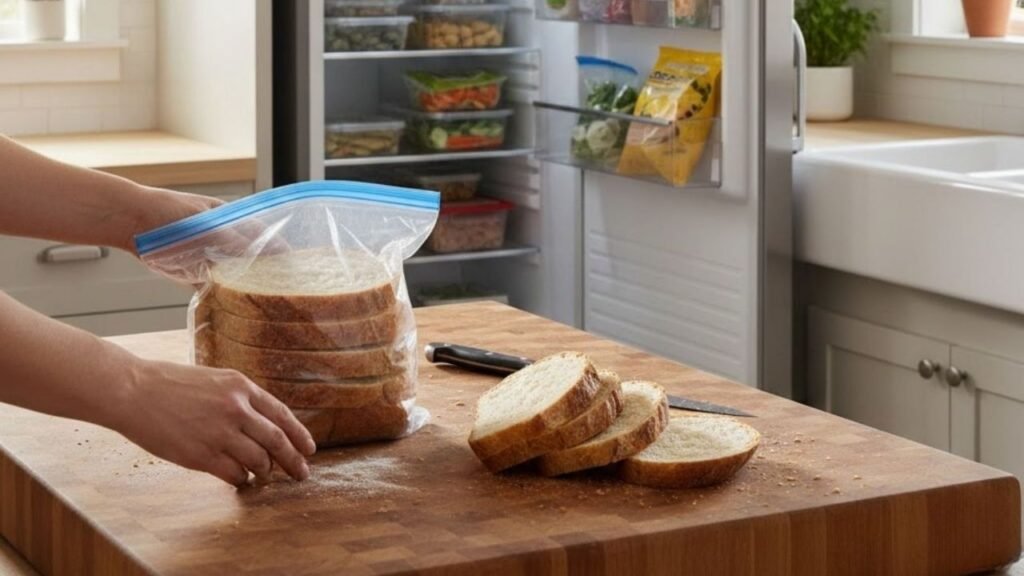
This concept has gained attention because it suggests that a simple storage method could slightly improve how bread affects blood sugar and digestion. While freezing bread has long been recommended to keep it fresh longer, scientists now say it may also influence the structure of the starch inside the bread.
Many people freeze bread simply to prevent it from going stale, but new research indicates that this habit could have small nutritional benefits as well. When bread is frozen and then thawed or toasted, the starch inside the bread changes form. This transformation can affect how quickly the body breaks down carbohydrates. As a result, frozen bread may lead to a slower release of sugar into the bloodstream compared to fresh bread. Although the effect is not dramatic, it has sparked interest among nutrition experts and researchers who study how everyday foods influence metabolism and gut health.
Table of Contents
Freezing Bread May Change How Your Body Processes It
| Key Aspect | Details |
|---|---|
| Main Topic | Freezing bread and its impact on digestion |
| Key Process | Starch retrogradation during freezing and reheating |
| Resulting Compound | Resistant starch |
| Digestion Effect | Slower digestion of carbohydrates |
| Blood Sugar Impact | May reduce blood sugar spikes |
| Gut Health Benefit | Feeds beneficial gut bacteria |
| Best Method | Freeze bread, thaw, and optionally toast |
| Overall Benefit | Small but positive nutritional change |
How Freezing Bread Changes the Way Your Body Processes It
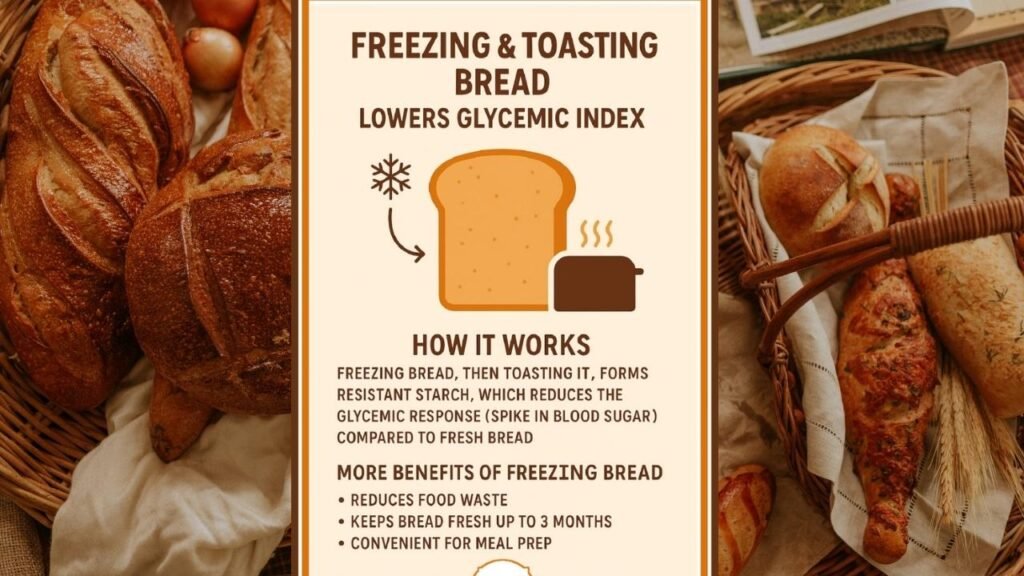
Freezing bread does more than just extend its shelf life. According to nutrition experts, the freezing and thawing process changes the chemical structure of starch in bread. This process can create something known as resistant starch, which the body digests more slowly. Because of this, frozen bread may cause a smaller spike in blood sugar compared to freshly baked bread. The effect becomes even more noticeable when frozen bread is later toasted.
Resistant starch behaves differently from regular starch. Instead of being fully digested in the small intestine, part of it travels to the large intestine where it acts similarly to dietary fiber. There, beneficial gut bacteria break it down and produce compounds that support digestive health. This means that freezing bread might slightly improve the way the body handles carbohydrates and support the gut microbiome at the same time.
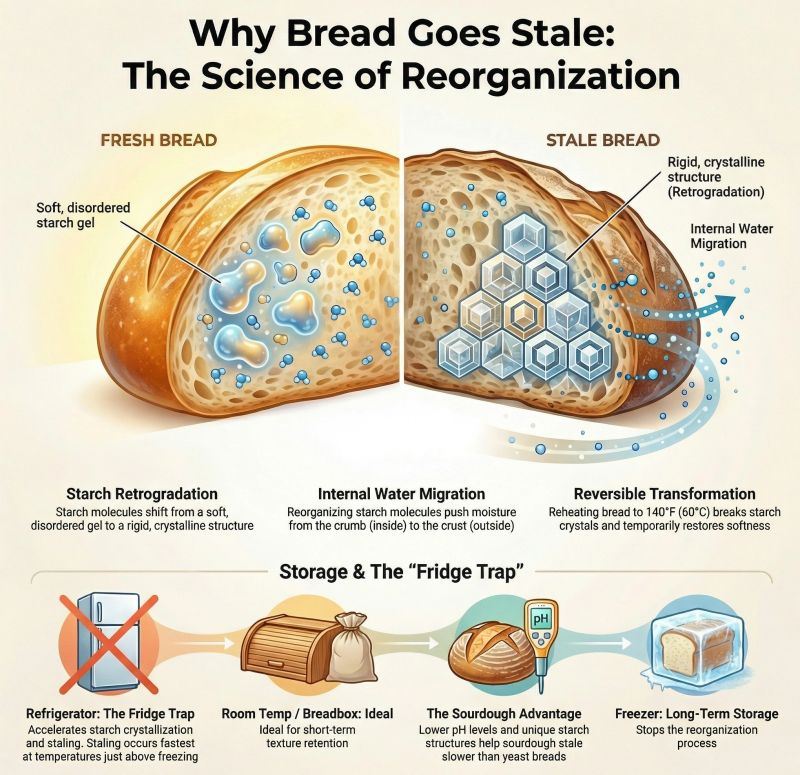
Freezing Bread Changes Its Starch
One of the main reasons freezing bread affects digestion is due to a process called starch retrogradation. When bread is baked, the starch molecules inside it are gelatinized by heat. However, when the bread is cooled or frozen, these molecules begin to reorganize into a more structured form.
During freezing, some of the digestible starch turns into resistant starch. This new structure is harder for digestive enzymes to break down quickly. As a result, the body processes these carbohydrates more slowly.
This transformation does not completely change the nutritional value of bread, but it slightly alters how the body interacts with its carbohydrates. Even small changes in starch structure can influence digestion and metabolic responses.
It May Reduce Blood Sugar Spikes
Another reason researchers are interested in frozen bread is its potential effect on blood sugar levels. Carbohydrates in bread are typically broken down quickly, which can lead to rapid increases in blood glucose.
However, when bread is frozen and then thawed, the resistant starch formed during the freezing process slows digestion. Because the carbohydrates are absorbed more gradually, the increase in blood sugar may be less dramatic.
Some studies have shown that frozen and toasted bread can produce a lower glycaemic response than fresh bread. Toasting appears to enhance the formation of resistant starch even further. This means that a slice of bread taken from the freezer and toasted might have a slightly better metabolic effect than freshly baked bread.
For individuals trying to manage blood sugar levels, even small improvements in glycaemic response can be helpful when combined with a balanced diet.
Possible Gut Health Benefits
Resistant starch is often considered beneficial for gut health because it functions similarly to dietary fiber. Instead of being digested in the small intestine, it moves into the large intestine where it becomes food for beneficial bacteria.
When gut bacteria ferment resistant starch, they produce short-chain fatty acids such as butyrate. These compounds help support the health of the intestinal lining and may contribute to improved digestion.
A healthy gut microbiome is linked to many aspects of health, including better digestion, improved immune function, and reduced inflammation. While frozen bread alone cannot dramatically transform gut health, it may contribute small benefits when included as part of a balanced diet.
But the Effect Is Modest
Despite the attention this topic has received, nutrition experts emphasize that freezing bread does not turn it into a superfood. The change in resistant starch levels is relatively small, and the overall nutritional value of the bread remains largely the same.
Other factors have a much greater impact on the healthfulness of bread, such as:
- The type of flour used
- The amount of fiber in the bread
- Portion size
- The toppings or fillings used
Whole grain breads, for example, already contain more fiber and nutrients than refined white bread. Freezing whole grain bread may still offer the same resistant starch benefits, but the bread itself is already nutritionally superior.
Practical Ways to Freeze and Use Bread
Freezing bread is a simple process that can easily fit into everyday routines. Most types of bread freeze well and maintain their texture when properly stored.
Here are a few practical tips:
Slice before freezing:
Freezing bread in slices makes it easy to take out only what you need.
Store in airtight packaging:
Use freezer bags or sealed containers to prevent freezer burn.
Toast directly from frozen:
Bread can be placed directly into a toaster without thawing, which also helps enhance resistant starch formation.
Use within a few months:
While frozen bread can last a long time, it tastes best when used within two to three months.
These steps not only help reduce food waste but also allow households to keep bread fresh for longer periods.
The Bottom Line
Freezing bread is a simple habit that many people already practice to extend freshness, but it may offer a small nutritional advantage as well. When bread is frozen, thawed, and sometimes toasted, part of its starch changes into resistant starch. This form of carbohydrate is digested more slowly and behaves similarly to dietary fiber.
Because of this change, frozen bread may produce a slightly lower blood sugar response and provide minor benefits for gut bacteria. However, the effect is modest and should not be viewed as a major nutritional transformation.
Ultimately, the overall quality of the bread and the balance of the diet remain far more important factors. Choosing whole grain bread, maintaining reasonable portion sizes, and pairing bread with nutritious foods will always have a greater impact on health.
Still, if you already freeze bread to keep it fresh, you may be getting a small digestive benefit at the same time. Sometimes, even the simplest kitchen habits can have interesting effects on how the body processes food.