
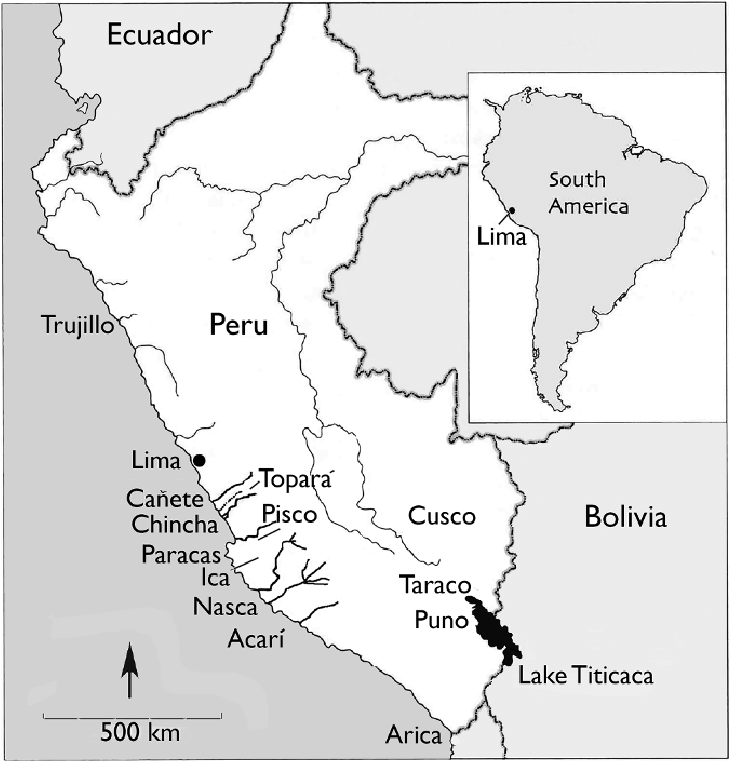
The DNA Analysis of Paracas Elongated Skulls, ancient human remains discovered in southern Peru nearly a century ago, continues to draw global attention among archaeologists, historians, and the public. The skulls, dating back roughly 2,000 to 3,000 years, belong to individuals from the Paracas civilization, an early culture that flourished along Peru’s southern coast.
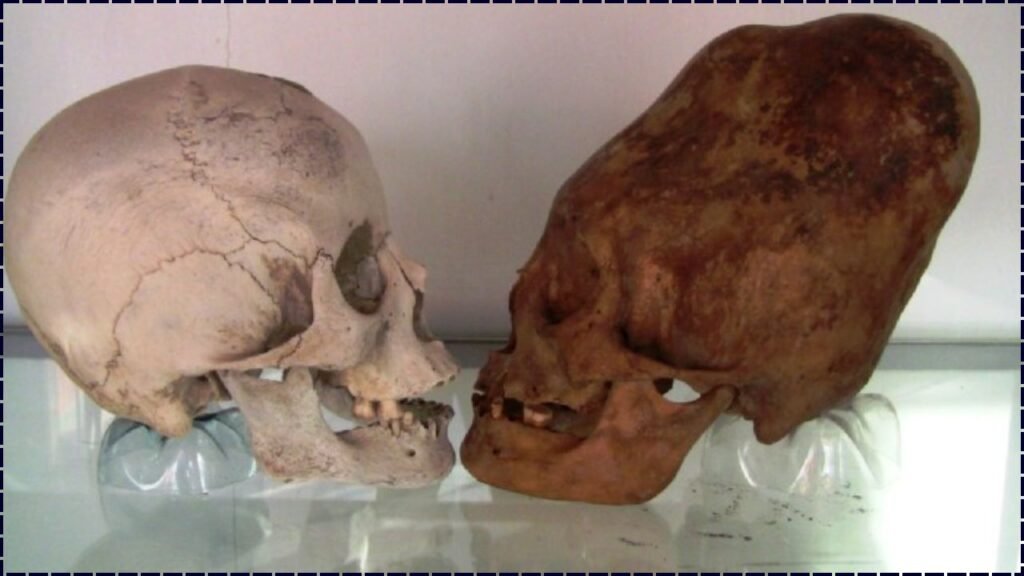
Researchers studying the remains say the skulls’ dramatic shape most likely reflects intentional cranial modification, a cultural practice used in infancy to reshape the head. Genetic testing and forensic studies carried out on several samples indicate the individuals were modern humans, although debate continues in some circles about the extent of the skulls’ unusual features.
Understanding these remains offers important insights into ancient cultural identity, social hierarchy, and the sophisticated traditions of early Andean societies.
Table of Contents
Paracas Elongated Skulls
| Key Fact | Detail |
|---|---|
| Discovery | More than 300 elongated skulls were uncovered in 1928 on the Paracas Peninsula in Peru |
| Cultural Context | The skull shape is widely linked to intentional cranial modification practiced in infancy |
| DNA Findings | Genetic profiles recovered from tissue and hair samples match those of modern humans |
Discovery of the Paracas Skulls
The unusual skulls were first documented in 1928 by Peruvian archaeologist Julio C. Tello, widely regarded as the father of Peruvian archaeology. While excavating burial sites on the Paracas Peninsula, Tello uncovered a massive cemetery containing hundreds of mummified individuals wrapped in elaborate textiles.
Many of the mummies were buried with ceremonial items such as woven fabrics, pottery, jewelry, and ritual tools, suggesting the cemetery belonged to members of the region’s elite. However, what captured the attention of archaeologists was the extraordinary shape of many skulls found in the graves.
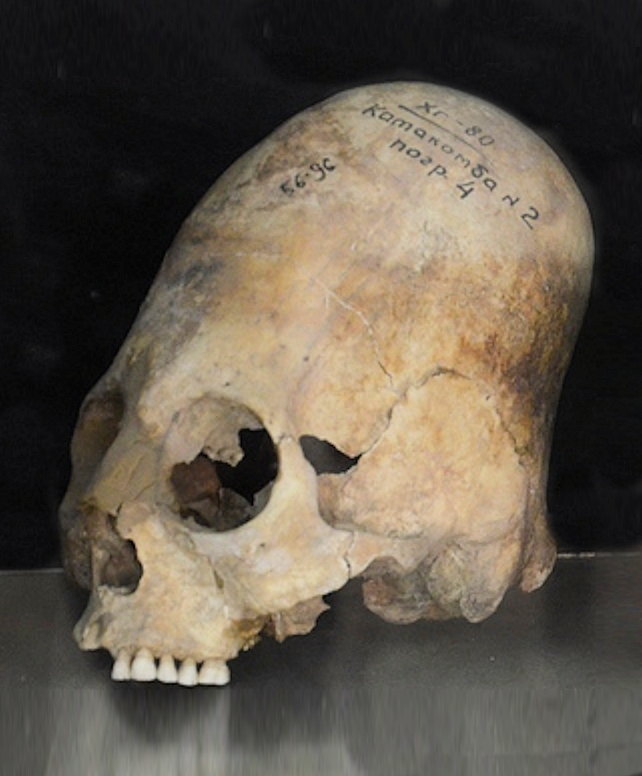
The skulls appeared significantly longer and larger than typical human skulls, with elongated cranial vaults and narrow foreheads. Some skulls showed smooth, symmetrical extension toward the back of the head, while others appeared cone-shaped.
Tello determined that the individuals belonged to the Paracas culture, which thrived between 800 BCE and 200 BCE. The Paracas civilization is known for its sophisticated weaving techniques, complex burial customs, and early medical procedures.
One of the most remarkable medical practices discovered among Paracas remains was trepanation, a surgical procedure involving the drilling or cutting of holes into the skull to treat injury or illness. Evidence suggests that many patients survived the operation, indicating a surprisingly advanced understanding of medicine for the time.
What the DNA Analysis of Paracas Elongated Skulls Revealed
Scientific interest in the skulls increased significantly in recent decades as advances in genetic testing allowed researchers to examine ancient biological material more closely.
Samples taken from hair, teeth, and preserved tissue were analyzed using modern DNA sequencing techniques. These methods allow scientists to compare ancient genetic material with known human genetic markers.
Studies conducted by forensic researchers reported that the DNA sequences extracted from the samples aligned closely with those found in modern human populations. The results suggest the Paracas individuals were biologically human and did not represent a distinct species.
The tests also examined structural properties of hair and bone tissue. Researchers found that these characteristics fell within the normal range of human biological variation, even though the skull shapes themselves appeared unusual.
Ancient DNA analysis is a complex process because genetic material degrades over time. Environmental conditions, burial methods, and contamination can all affect the preservation of DNA. As a result, scientists often conduct multiple tests to confirm findings.
Despite these challenges, the available genetic evidence strongly supports the conclusion that the Paracas skulls belonged to members of the ancient Andean population.
Artificial Cranial Deformation: A Widespread Cultural Practice
Archaeologists say the most widely accepted explanation for the unusual skull shapes is artificial cranial deformation, a tradition practiced by several ancient cultures around the world.
This practice involved binding or shaping the heads of infants during early development. Because a baby’s skull bones remain soft during the first years of life, gentle pressure applied over time can permanently change the skull’s shape.
Different societies used different methods. Some cultures used wooden boards, while others used tight cloth wrapping or specialized cradle devices.
The process did not harm brain development, but it produced distinctive head shapes that could serve as visible markers of cultural identity.
Anthropologists believe cranial modification served several purposes:
- Indicating social status or nobility
- Signaling membership in a specific tribe or community
- Representing beauty standards or spiritual beliefs
In the Andes region, elongated skulls may have symbolized elite lineage or religious significance. Some researchers believe the practice distinguished leaders or important families within the Paracas society.
Similar Skull-Shaping Traditions Around the World
The Paracas skulls are not the only example of cranial modification in ancient history. Archaeologists have discovered similar practices in many regions across the globe.
Examples include:
Mesoamerica
Ancient civilizations such as the Maya practiced head shaping as a mark of nobility and beauty.
Central Asia and Europe
Nomadic groups such as the Huns and Alans used cranial deformation as a sign of group identity.
Africa
Several African societies practiced skull shaping as part of cultural traditions linked to status or aesthetics.
North America
Some Indigenous groups used cradleboards that naturally flattened the back of infants’ heads.
These examples demonstrate that cranial modification was not unusual in ancient societies and often carried strong symbolic meaning.
Why the Results Are Often Described as “Surprising”
Public fascination with the DNA Analysis of Paracas Elongated Skulls has grown rapidly in recent years, particularly through documentaries, social media discussions, and alternative history theories.
Some interpretations have suggested that the skulls might belong to unknown human lineages or represent evidence of ancient visitors from elsewhere. These claims gained popularity because some skulls appear unusually large or display features that differ from typical human anatomy.
However, scientists caution that these interpretations often rely on incomplete data or misinterpretation of preliminary results.
Ancient skulls may appear larger because of:
- Natural variation in skull size
- Distortion caused by burial conditions
- Effects of cranial deformation techniques
- Differences in measurement methods
In addition, early reports sometimes used small sample sizes or unverified testing methods. Without rigorous peer review and replication, such claims remain speculative.
Most academic researchers therefore emphasize that extraordinary claims require extraordinary evidence, and current scientific data does not support non-human origins for the Paracas remains.
Cultural and Social Life of the Paracas People
Understanding the Paracas skulls also requires examining the broader society that produced them.
The Paracas civilization lived along the arid southern coast of Peru, where they developed complex agricultural systems supported by irrigation canals. Despite the harsh desert environment, they cultivated crops such as cotton, maize, and beans.
Paracas communities were known for their extraordinary textile craftsmanship. Some burial cloths discovered in Paracas tombs contain intricate embroidery with bright colors that have remained preserved for more than two millennia.
The society also appears to have had a structured hierarchy. Archaeological evidence suggests that individuals buried with elaborate clothing and ceremonial objects likely held important social or religious roles.
Cranial modification may have been one way to visually identify individuals belonging to these higher social ranks.
Continuing Research and Scientific Interest
Although many questions about the Paracas people remain, researchers continue to study the skulls to better understand ancient Andean societies.
New technologies are allowing scientists to examine the remains in ways that were impossible only a few decades ago. These include:
- High-resolution CT scanning to analyze skull structure
- Advanced genome sequencing to study genetic ancestry
- Isotope analysis to determine diet and migration patterns
- 3D modeling to reconstruct ancient facial features
Such tools can reveal how Paracas individuals lived, what they ate, and where they may have traveled.
Archaeologists are also interested in exploring how the Paracas culture influenced later civilizations such as the Nazca, which emerged in the same region several centuries later.
By studying burial practices, medical procedures, and cultural traditions like cranial modification, researchers hope to build a more complete picture of early Andean history.
FAQ
Are Paracas elongated skulls human?
Yes. DNA testing and forensic studies indicate the individuals were modern humans, not a different species.
Why do the skulls look so unusual?
Most scientists believe the shape resulted from intentional cranial deformation, a cultural practice applied during infancy.
How old are the skulls?
The remains are generally dated between 800 BCE and 200 BCE, during the height of the Paracas culture in Peru.
Were aliens involved?
There is no scientific evidence supporting extraterrestrial origins. Such claims are not supported by peer-reviewed research.
Why were the skulls shaped this way?
Researchers believe cranial modification may have symbolized social identity, cultural tradition, or elite status within the Paracas society.
Final Outlook
Research into the DNA Analysis of Paracas Elongated Skulls continues as scientists apply new technologies to ancient remains. While the unusual skull shapes remain visually striking, current evidence strongly indicates they were the result of cultural traditions practiced by a sophisticated ancient civilization.
Future discoveries may reveal even more about the lives of the Paracas people and the role their customs played in shaping the cultural history of the Andean region.