
For decades, modern agriculture has relied heavily on chemical insecticides to protect crops and control disease-spreading pests. While these chemicals have helped increase food production, they’ve also created serious long-term problems: pesticide resistance, environmental contamination, harm to pollinators, and growing health concerns.
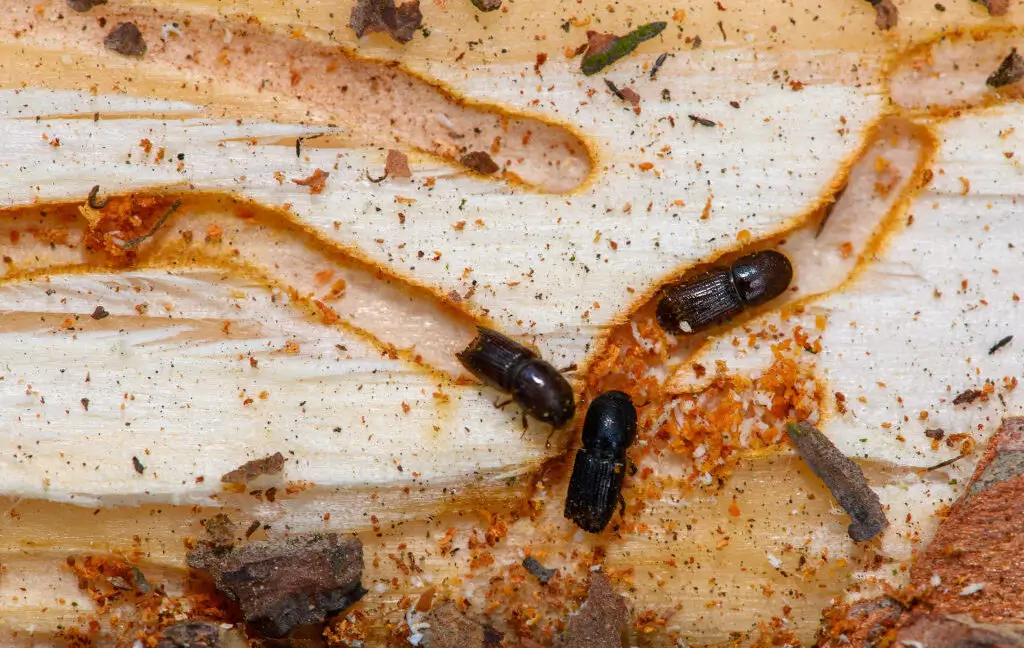
As these issues intensify, scientists are looking for smarter, safer alternatives that work with nature instead of against it. That search has led many researchers to a surprising solution already thriving in the natural world: fungi. Fungus-Based Insecticides are now being explored as one of the most promising tools for future pest control. Unlike conventional chemicals that poison insects, these biological solutions use naturally occurring fungi that infect and kill pests through biological processes. Researchers believe that Fungus-Based Insecticides could reshape how we manage insects in agriculture, public health, and environmental protection. With advancements in biotechnology and a growing push toward sustainable farming, this approach is gaining momentum as a viable replacement for many synthetic pesticides.
Fungus-Based Insecticides rely on entomopathogenic fungi, meaning fungi that naturally infect insects. These fungi exist in soils and ecosystems around the world and have evolved over millions of years to survive by parasitizing insects. When applied as a pest control product, fungal spores attach to an insect’s outer shell, penetrate the body, and multiply internally until the insect dies. What makes Fungus-Based Insecticides especially attractive is their precision. Rather than killing everything in their path, many fungal strains target specific insect species or groups. This reduces harm to beneficial insects such as bees, butterflies, and natural predators that play critical roles in ecosystems. Because they are biological in nature, these insecticides break down naturally and do not accumulate in soil or water like chemical residues.
Table of Contents
Fungus-Based Insecticides
| Aspect | Details |
|---|---|
| Type | Biological insect control using fungi |
| Target | Specific insect pests |
| Mode Of Action | Infection and internal growth |
| Environmental Impact | Low, biodegradable |
| Resistance Risk | Lower than chemical insecticides |
| Common Use Areas | Agriculture, pest management, disease control |
| Main Challenge | Slower action and environmental sensitivity |
The Science Behind Fungal Insecticides
- The effectiveness of fungal insecticides lies in their unique method of attack. Unlike chemical sprays that kill insects through toxicity, fungi infect insects through direct contact. Once fungal spores land on an insect, they germinate and penetrate the insect’s protective outer layer. Inside the insect, the fungus grows rapidly, draining nutrients and releasing compounds that disrupt the insect’s immune system.
- Eventually, the insect dies, and under the right conditions, the fungus produces new spores on the insect’s body. These spores can then spread to other pests, creating a natural chain reaction. This self-propagating behavior is one of the reasons scientists see long-term potential in Fungus-Based Insecticides.
- Another advantage is that fungi attack insects in multiple ways at once. This makes it much harder for pests to develop resistance, a major issue with chemical pesticides that often rely on a single toxic mechanism.
Why Researchers Are Excited
- Researchers are enthusiastic about fungal insecticides because they align with modern sustainability goals. One major benefit is environmental safety. Chemical insecticides often contaminate soil and water, harming wildlife and disrupting ecosystems. Fungal solutions break down naturally and leave little to no residue behind.
- Another reason for excitement is the growing problem of pesticide resistance. Many insects have evolved resistance to commonly used chemicals, forcing farmers to apply higher doses or switch to stronger compounds. Fungus-Based Insecticides offer a different biological approach that insects struggle to adapt to, making them a powerful tool in resistance management.
- Scientists are also excited about the flexibility of fungi. Through selective breeding and genetic research, fungal strains can be improved to survive harsher conditions, act faster, or target specific pests more effectively. This opens the door to customized pest control solutions for different regions and crops.
Real-World Applications in Agriculture
- Fungal insecticides are already being used in agriculture, particularly in organic and sustainable farming systems. They are commonly applied in greenhouses, fruit orchards, and vegetable farms where chemical residue is a concern. Crops such as tomatoes, peppers, strawberries, and lettuce benefit from fungal pest control because it reduces the risk of chemical contamination.
- Farmers also use fungal solutions as part of integrated pest management programs. Instead of relying on a single control method, integrated systems combine biological controls, crop rotation, monitoring, and limited chemical use. Fungus-Based Insecticides fit perfectly into this strategy by providing natural pest suppression while preserving beneficial insects.
- As demand for organic produce continues to grow, fungal insecticides are becoming an important tool for meeting market standards without sacrificing crop yields.
Role In Public Health and Disease Control
- Beyond agriculture, fungal insecticides show strong potential in public health. Insects such as mosquitoes spread diseases that affect millions of people worldwide. Traditional insecticides used for mosquito control often harm non-target species and lose effectiveness over time.
- Fungal solutions offer a new way to control disease-carrying insects. Some fungal strains can be designed to attract insects using scents or environmental cues, increasing infection rates. Others can weaken insects over time, reducing their ability to transmit disease even before they die.
- Because these fungi do not rely on chemical toxins, they may be safer for use in urban and residential areas where human exposure is a concern.
Challenges and Limitations of Fungus-Based Insecticides
- Despite their promise, Fungus-Based Insecticides are not without challenges. One major limitation is speed. Chemical insecticides often kill pests within hours, while fungal infections may take several days. In situations where immediate control is required, this slower action can be a drawback.
- Environmental conditions also play a role. Fungi need suitable humidity and temperature to thrive. Excessive sunlight or dry conditions can reduce their effectiveness. Researchers are working on improved formulations that protect fungal spores from harsh environments and extend their shelf life.
- Cost and scalability are additional concerns. Producing large quantities of viable fungal spores requires specialized facilities and careful quality control. While costs are decreasing as technology improves, fungal insecticides still face competition from inexpensive chemical alternatives.
Advances In Biotechnology
- Recent advances in biotechnology are helping overcome many of these limitations. Scientists are developing fungal strains that are more tolerant to heat, dryness, and ultraviolet light. Improved delivery systems, such as protective coatings and targeted application methods, are also enhancing effectiveness in real-world conditions.
- Genetic research has opened new possibilities, including fungi that can target pests more precisely or act faster after infection. These innovations are bringing Fungus-Based Insecticides closer to mainstream use and increasing confidence among farmers and policymakers.
Environmental and Economic Benefits
- From an environmental perspective, fungal insecticides offer significant benefits. They reduce chemical runoff, protect pollinators, and help maintain biodiversity. Health risks for farm workers and consumers are also lower compared to synthetic pesticides.
- Economically, while initial costs may be higher, long-term benefits include reduced resistance management costs and improved soil health. Healthy ecosystems support more resilient agriculture, which can lead to stable yields over time.
The Future of Pest Control
- As global agriculture faces challenges from climate change, population growth, and environmental degradation, sustainable pest control is no longer optional. Fungus-Based Insecticides represent a shift toward solutions that work with natural systems rather than overpowering them.
- While they are unlikely to completely replace chemical insecticides overnight, their role will continue to expand. In the future, pest control is likely to rely on a balanced mix of biological solutions, smart technology, and responsible chemical use.
- With continued research, investment, and education, fungal insecticides could become one of the most important tools in protecting crops, ecosystems, and human health.
FAQs on Fungus-Based Insecticides
Are Fungal Insecticides Safe For Humans?
Yes, they are generally considered safe when used correctly and pose fewer health risks than chemical pesticides.
Do Fungus-Based Insecticides Harm Beneficial Insects?
Most are designed to target specific pests and have minimal impact on beneficial insects when applied properly.
Why Do Fungal Insecticides Work Slower Than Chemicals?
They rely on biological infection processes, which take time compared to chemical toxicity.
Will Fungus-Based Insecticides Replace Chemical Pesticides?
They are unlikely to fully replace them soon but will play a growing role in sustainable pest management systems.