


Interest in natural remedies for digestive relief has fueled a growing online trend: applying castor oil to the belly button. Supporters say the traditional practice, often linked to Ayurvedic medicine, may help reduce bloating or discomfort. However, medical experts say scientific evidence supporting these claims remains limited.
Table of Contents
Apply Castor Oil to the Belly Button for Digestive Relief
| Key Fact | Detail / Statistic |
|---|---|
| Traditional roots | Navel oiling originates from Ayurvedic wellness practices |
| Scientific evidence | No clinical proof shows oils applied to the navel improve digestion |
| Proven use | Castor oil can function as a laxative when taken orally |
| Growing interest | Online searches for natural digestive remedies have increased significantly in recent years |
The Rise of Castor Oil for Digestive Relief
The search for digestive relief has led many people to explore alternative therapies that promise gentle, natural solutions. Among them is the practice of applying castor oil directly to the belly button, sometimes called navel oiling or nabhi therapy.
The method has gained visibility through social media wellness communities and holistic health blogs. Advocates claim that placing oil in the navel may support digestion, reduce bloating, and improve gut health.
Dr. Linda Lee, a gastroenterologist at Johns Hopkins Medicine, says many patients are curious about natural remedies.
“People increasingly want non-pharmaceutical approaches to digestive symptoms,” Lee said. “However, the scientific evidence for many popular wellness trends is still very limited.”
Search data suggests that interest in natural digestive treatments has grown over the past decade. According to Google Trends, searches for terms such as “natural bloating remedy,” “castor oil benefits,” and “navel oiling” have risen steadily, especially since 2020.
Health analysts say the shift reflects a broader global movement toward preventive health and self-care routines.
Traditional Medicine and Navel Oiling
Ayurvedic Origins
The concept of applying oil to the navel comes primarily from Ayurveda, a traditional system of medicine that originated in India more than 3,000 years ago.
In Ayurvedic practice, the navel is believed to be a central point of the body’s energy system. Practitioners sometimes apply oils—such as sesame oil, coconut oil, or castor oil—to maintain balance and improve bodily functions.
Some proponents claim that a structure called the “Pechoti gland” behind the navel absorbs oils and distributes nutrients through the body.
However, modern anatomical research has not identified such a gland. According to the Cleveland Clinic, no known biological mechanism supports the idea that oils placed in the navel can directly influence internal organs.
Still, traditional practitioners argue that navel oiling may help lubricate surrounding tissues and promote relaxation in the abdominal region.
Dr. Vasant Lad, an Ayurvedic physician and founder of the Ayurvedic Institute, has written that oil therapies can play a role in maintaining bodily balance. However, Lad also emphasizes that Ayurvedic treatments are typically personalized and combined with diet, lifestyle changes, and herbal medicine.
Historical Use of Castor Oil in Medicine
Castor oil itself has a long medical history. The oil is extracted from the seeds of the Ricinus communis plant and has been used as a therapeutic substance for centuries.
Ancient Egyptian medical texts reference castor oil as early as 1550 BCE. Historical records suggest the oil was used for skin care, wound treatment, and digestive health.
In the 19th and early 20th centuries, castor oil became widely used in Western medicine as a laxative. Many households kept bottles of castor oil as a common remedy for constipation.
Today, castor oil remains recognized by the U.S. Food and Drug Administration (FDA) as an over-the-counter stimulant laxative when taken orally in appropriate doses.
However, topical uses of castor oil are generally considered cosmetic or traditional practices rather than medically validated treatments.
What Medical Science Says
Doctors emphasize that while castor oil itself has known medical uses, applying it to the belly button has not been proven to aid digestion.
Castor oil contains ricinoleic acid, a fatty acid that can stimulate bowel movements when consumed in measured doses. For this reason, the U.S. Food and Drug Administration (FDA) recognizes castor oil as a stimulant laxative.
But topical application is different.
Dr. Michael Camilleri, a gastroenterology researcher at the Mayo Clinic, explained that the skin around the navel does not allow substances to pass deeply enough to influence the digestive system.
“The digestive tract is separated from the skin by several layers of tissue,” Camilleri said. “There is currently no evidence that oil applied to the navel can reach or affect the intestines.”
Researchers studying transdermal drug delivery say that only certain medications can penetrate the skin barrier effectively. These medications require specialized formulations designed specifically for skin absorption.
Simple oils applied to the surface of the skin generally remain within the outer layers.
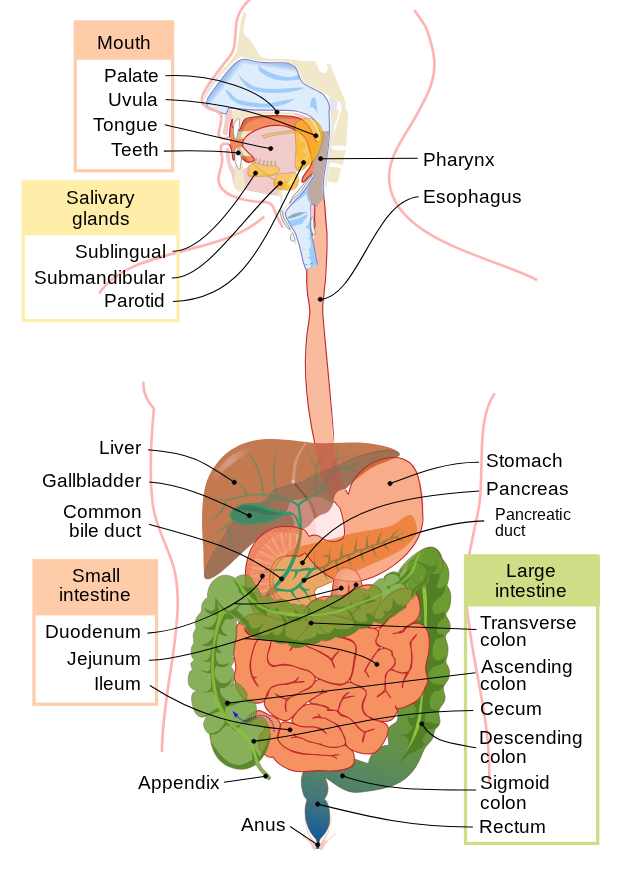
Why Some People Still Report Digestive Relief
Despite the lack of scientific evidence, some individuals report feeling better after using the technique. Experts say several factors may explain these experiences.
Abdominal Massage
Applying oil to the belly often involves gentle massage. Abdominal massage can stimulate intestinal movement and may help reduce mild constipation.
According to the International Foundation for Gastrointestinal Disorders (IFFGD), physical stimulation of the abdomen may sometimes support bowel activity.
Relaxation Effects
Wellness routines can also reduce stress, which plays a major role in digestive health.
The American Psychological Association notes that stress can worsen symptoms such as bloating, abdominal pain, and irritable bowel syndrome (IBS). Relaxation rituals may therefore provide indirect relief.
Placebo Effect
Medical researchers also highlight the placebo effect, where a person experiences improvement simply because they believe a treatment will help.
Placebo responses are well documented in digestive disorders. Studies have shown that expectations alone can influence gut symptoms and pain perception.

Comparison With Other Natural Digestive Remedies
Castor oil belly button treatments are only one of many alternative methods promoted for digestive relief. Several other natural remedies are widely discussed in both traditional medicine and modern wellness circles.
Common examples include:
Ginger:
Research published in the journal Food Science & Nutrition suggests ginger may help reduce nausea and improve stomach emptying.
Peppermint oil:
Enteric-coated peppermint oil capsules have shown benefits in some patients with irritable bowel syndrome (IBS).
Probiotics:
Certain probiotic strains may help regulate gut bacteria and improve digestive balance.
Dietary fiber:
Fiber remains one of the most strongly supported natural approaches for managing constipation and maintaining digestive health.
Dr. Sarah Berry, a nutrition scientist at King’s College London, says diet remains the most reliable tool.
“The strongest evidence for digestive health still comes from dietary patterns,” Berry said. “Fiber-rich foods, hydration, and regular physical activity remain the most effective strategies.”
Safety Considerations of Applying Castor Oil to the Belly Button
Health professionals say applying small amounts of oil to the skin is generally safe for most people. However, certain precautions are recommended.
Doctors advise avoiding the practice if there are:
- open wounds near the navel
- skin infections
- allergic reactions to oils
Individuals experiencing persistent digestive symptoms should seek medical advice.
“Chronic digestive discomfort should always be evaluated by a healthcare professional,” said Dr. Sarah Berry, a nutrition scientist at King’s College London. “Natural remedies can sometimes delay people from getting proper diagnosis and treatment.”
The Broader Trend Toward Natural Digestive Relief
Interest in digestive relief strategies reflects a broader shift toward holistic health and preventive care. Diet, stress management, and physical activity remain the most widely recommended approaches for maintaining digestive health.
The National Institute of Diabetes and Digestive and Kidney Diseases (NIDDK) highlights several evidence-based methods:
- consuming sufficient dietary fiber
- staying hydrated
- maintaining regular physical activity
- reducing stress
Health economists say the global digestive health market is expanding rapidly. Market research from Grand View Research estimates that digestive health products—including probiotics, supplements, and functional foods—represent a multibillion-dollar industry worldwide.
Experts say this growth reflects both increasing awareness of gut health and widespread interest in alternative therapies.
Looking Ahead
As interest in alternative health practices grows, experts expect discussions about natural remedies for digestive relief to continue. Researchers say more clinical studies are needed to determine whether traditional techniques offer measurable benefits.
Until then, physicians emphasize balancing curiosity about wellness trends with reliable medical guidance.
“Exploring traditional practices can be valuable,” Lee said. “But it’s important to rely on treatments that have been carefully studied and proven effective.”
FAQs About Apply Castor Oil to the Belly Button for Digestive Relief
Does castor oil in the belly button provide digestive relief?
There is currently no scientific evidence that applying castor oil to the navel improves digestion.
Why do people believe navel oiling works?
The belief largely comes from Ayurvedic traditions that view the navel as an important energy center in the body.
Is castor oil beneficial for digestion in other ways?
Yes. When taken orally in controlled doses, castor oil can act as a stimulant laxative.
Is it safe to apply oil to the belly button?
For most people it is harmless if the skin is healthy, but it should not replace medical treatment for ongoing digestive problems.
What are safer ways to improve digestion naturally?
Doctors recommend fiber-rich diets, hydration, exercise, probiotics, and stress management.