
Travel planning usually focuses on destinations, hotel bookings, and sightseeing itineraries. Very few people think about paperwork at a rental counter. Yet one rushed decision there can cost more than your entire vacation.

Rental car insurance coverage is often treated as a minor formality, but in reality it determines who pays if something goes wrong. Many travelers simply say “no thanks” to save money, while others say “yes” to everything out of fear. Both reactions can backfire. Understanding rental car insurance coverage ahead of time prevents panic decisions and protects your wallet. The confusion happens because the rental company, your personal insurance, and even your credit card can all provide protection at the same time. The problem is they don’t protect you in the same way. Some cover the vehicle, some cover injuries, and some cover legal responsibility. Without clarity, you either overpay or leave yourself exposed to huge financial liability. Spending a few minutes learning how the system works makes the entire rental process smoother and far less stressful.
Rental car insurance coverage refers to the protections available to you while driving a rented vehicle. These protections may come from three sources: the rental company’s optional plans, your personal auto policy, or your credit card benefits. The purpose of rental car insurance coverage is to protect you from repair costs, theft losses, medical expenses, and third-party claims after an accident. The key is not buying everything — it is understanding where your existing coverage ends. Many renters unknowingly pay for duplicate protection because they don’t realize their own insurance already applies.
Table of Contents
Before Renting a Car Check These Insurance Details
| Coverage Type | Covers Vehicle Damage | Covers Theft | Covers Injuries To You | Covers Damage To Others | Typical Need Level | Key Thing People Miss |
|---|---|---|---|---|---|---|
| Collision Damage Waiver (CDW/LDW) | Yes | Yes | No | No | Important if you lack personal insurance | Invalid if contract rules are broken |
| Liability Coverage | No | No | No | Yes | Extremely important | Rental company minimum limits are low |
| Personal Accident Insurance (PAI) | No | No | Yes | No | Situational | Health insurance may already apply |
| Personal Effects Coverage (PEC) | No | Yes (belongings) | No | No | Usually optional | Home insurance may cover belongings |
| Credit Card Coverage | Yes (conditions apply) | Yes | No | No | Very useful | Must decline CDW to activate |
Rental counters move quickly because they process many customers daily, and that speed leads to mistakes. The decision you make there determines whether a minor accident becomes a small inconvenience or a serious financial problem. The purpose of rental car insurance coverage is to protect you from unpredictable risk. Once you understand who covers vehicle damage, medical bills, and legal responsibility, you can make confident decisions. Preparing before your trip allows you to decline unnecessary extras and accept only the coverage that truly protects you.
Collision Damage Waiver (CDW) Or Loss Damage Waiver (LDW)
This is the most commonly offered part of rental car insurance coverage. The rental agent will almost always ask if you want it. The CDW or LDW covers the cost of repairing or replacing the rental car if it is damaged, scratched, or stolen. It is not technically insurance; it is a waiver of financial responsibility where the rental company agrees not to charge you under specific conditions. Those conditions matter. The waiver may become invalid if someone not listed drives the car, you drive on restricted roads, you leave keys inside the vehicle, you drive under the influence, or you violate the rental agreement. If you own a car and carry collision and comprehensive coverage, your personal policy often extends to rental vehicles within your country. In that case, purchasing this portion of rental car insurance coverage may be unnecessary. However, many policies do not apply internationally.
Liability Coverage
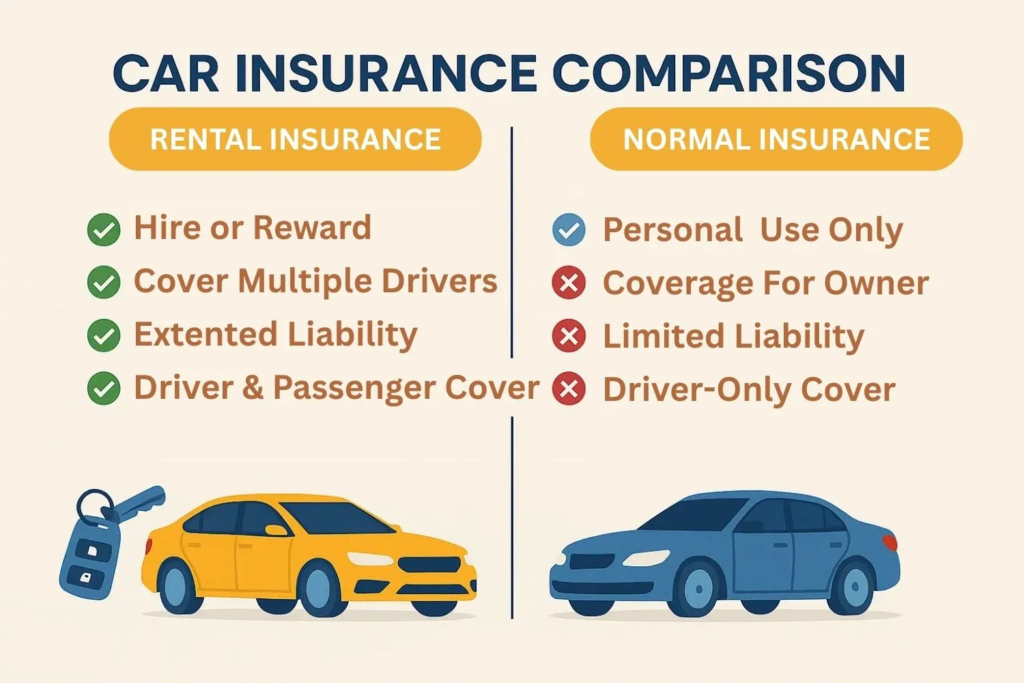
- Liability protection is the most critical part of rental car insurance coverage, yet it is the least understood. Liability does not pay for the rental car it pays for other people. If you cause an accident, liability coverage pays for repairing the other person’s vehicle, medical expenses, legal claims, and property damage.
- Rental companies usually provide only the legal minimum coverage required by law. In serious accidents, that minimum amount can be exhausted immediately. If you do not own a personal vehicle, you may not have any liability protection at all. Declining supplemental liability coverage could leave you personally responsible for large financial damages. This is often the single most important decision in rental car insurance coverage.
Personal Accident Insurance (PAI)
Personal Accident Insurance covers medical treatment for you and your passengers after an accident. It sounds essential, but it is often redundant. You usually do not need PAI if you already have health insurance, employer medical benefits, or travel insurance. However, rental car insurance coverage involving PAI becomes useful in international travel because many health policies only work domestically and foreign medical treatment can require upfront payment.
Personal Effects Coverage (PEC)
Personal Effects Coverage protects belongings stolen from inside the car, such as luggage, phones, or cameras. Many travelers decline this option because homeowners or renter’s insurance policies often cover personal belongings outside the home, and some credit cards provide theft protection. For that reason, PEC is usually unnecessary unless you are traveling with valuable items and lack other coverage.
Credit Card Rental Coverage
- This is one of the most overlooked parts of rental car insurance coverage. Many credit cards include rental vehicle protection if the full rental is paid with the card and the rental company’s CDW is declined. Some cards provide secondary coverage, while others provide primary coverage that prevents a claim on your personal auto policy.
- Primary coverage is valuable because claims on personal insurance can increase premiums later. Restrictions typically include luxury vehicles, rentals longer than 30 days, and commercial vehicles. Reviewing your card benefits before travel is essential.
Exclusions And Fine Print You Shouldn’t Ignore
Many renters believe accidents cause disputes, but contract violations are more common. Rental agreements usually require authorized drivers only, immediate accident reporting, proper fuel return, and avoiding restricted areas. Violating these rules can cancel rental car insurance coverage even if you purchased it.
Before You Sign The Agreement
Before leaving the parking area, inspect the car carefully. Photograph all sides of the vehicle, record a video walk-around, capture wheel and bumper close-ups, check the windshield and mirrors, and note fuel level and mileage. Damage disputes are common, and a brief inspection can prevent unexpected charges.
What You Actually Need
Before accepting rental car insurance coverage, verify your personal auto insurance policy, your credit card rental benefits, and your health or travel insurance coverage. If all three apply, you may only need liability coverage instead of every optional add-on.
FAQs About Before Renting a Car Check These Insurance Details
1. Do I need rental car insurance if I already have car insurance?
Your personal policy often covers vehicle damage, but you should confirm liability limits and geographic restrictions before declining coverage.
2. Does a credit card fully replace rental car insurance?
Most cards cover vehicle damage only and do not cover injuries or third-party liability.
3. What happens if a friend drives my rental car?
If they are not listed on the contract, the protection may become invalid and you may be responsible for damages.
4. Is rental car insurance required when traveling internationally?
In most cases yes, because domestic auto policies usually do not extend internationally.