
When most people think about ancient empires, they imagine gold treasures, towering stone temples, or vast military campaigns. Very few would guess that bird droppings could play a central role in building political power.
Yet along the dry southern coast of Peru, that is exactly what happened. Bird guano helped build the Chincha Kingdom’s power in a way that was practical, strategic, and remarkably forward thinking. In a landscape where rainfall was scarce and fertile soil was limited, this natural fertilizer became the backbone of economic growth. Bird guano helped build the Chincha Kingdom’s power by transforming marginal desert land into productive farmland. That agricultural strength supported population growth, maritime trade, and a centralized political system long before the Inca expanded into the region. The Chincha did not rely solely on conquest to gain influence. They built their authority through careful environmental management and economic intelligence.
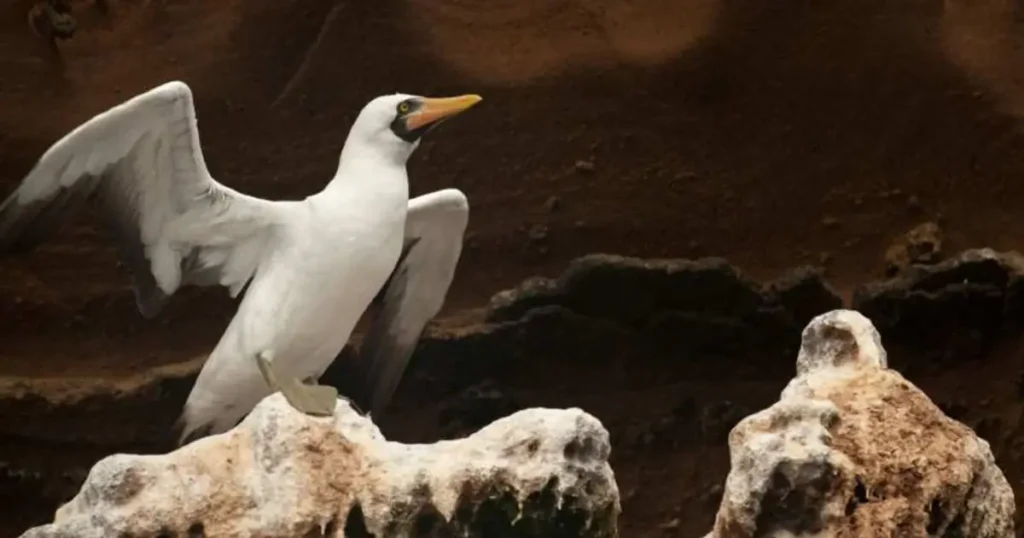
To truly understand how bird guano helped build the Chincha Kingdom’s power, you need to picture the setting. The Chincha Kingdom flourished between around 900 CE and 1476 CE in the Chincha Valley along Peru’s southern coast. This region sits within one of the driest deserts on Earth. Agriculture was possible only because of rivers flowing down from the Andes. Even then, soil nutrients were easily depleted. Offshore islands along the Pacific coast were home to enormous colonies of seabirds such as cormorants and pelicans. Over centuries, thick layers of guano accumulated on these rocky islands. Rich in nitrogen, phosphorus, and potassium, guano dramatically improved soil fertility. By organizing the collection and distribution of this resource, Chincha leaders strengthened food production, increased trade goods, and reinforced political authority. Bird guano helped build the Chincha Kingdom’s power not as a luxury commodity but as a strategic agricultural foundation.
Table of Contents
Bird Guano Helped Build the Chincha Kingdom’s Power in Ancient Peru
| Category | Details |
|---|---|
| Civilization | Chincha Kingdom |
| Region | Southern coast of present-day Peru |
| Time Period | Around 900 CE to 1476 CE |
| Core Resource | Seabird guano from offshore islands |
| Primary Crops | Maize, cotton, beans |
| Economic Strength | Long distance maritime trade |
| Political Structure | Centralized elite leadership |
| Later Control | Incorporated into the Inca Empire |
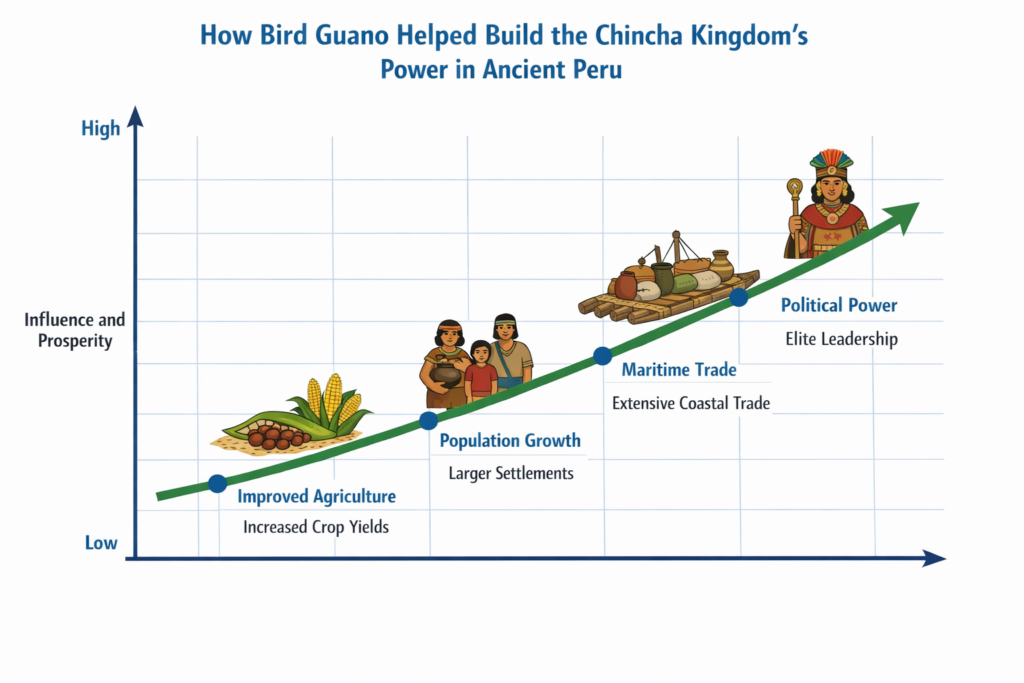
The rise of the Chincha Kingdom demonstrates that power can grow from unexpected sources. Bird guano helped build the Chincha Kingdom’s power by strengthening agriculture, enabling trade, and reinforcing political authority. In one of the driest regions of South America, careful management of a natural fertilizer created lasting prosperity. Their story is a reminder that innovation does not always come from advanced technology. Sometimes it comes from paying attention to the land, understanding its cycles, and using its resources wisely. The Chincha turned seabird colonies into engines of growth. Through that insight, they built one of the most influential coastal societies in ancient Peru.
The Chincha Valley A Strategic Coastal Homeland
- The Chincha Valley offered both opportunity and challenge. Rivers from the Andes created fertile strips of land, but beyond them stretched harsh desert. Farming required careful planning, irrigation systems, and soil management.
- This is where bird guano helped build the Chincha Kingdom’s power in a direct and measurable way. The Chincha recognized the value of the offshore islands early on. They organized expeditions to collect guano and transport it back to the mainland. When applied to fields, the fertilizer revitalized the soil and increased crop yields significantly.
- In such an arid climate, even small improvements in productivity could mean the difference between stability and famine. Guano allowed farmers to maintain soil health over time rather than exhausting it. That reliability created long term security.
The Value of Bird Guano in Ancient Agriculture
- Agriculture was the backbone of Chincha society. Maize was a staple crop and also carried social and ceremonial importance in Andean cultures. Higher maize yields meant not only more food but also greater prestige and stability.
- Bird guano helped build the Chincha Kingdom’s power by increasing maize production and improving cotton cultivation. Cotton was especially important along the coast. It was used to make textiles and fishing nets. More cotton meant stronger fishing capacity and better trade goods.
- Unlike synthetic fertilizers used in modern farming, guano enriched the soil naturally. It improved both fertility and soil structure. The Chincha may not have understood the chemical composition of guano in scientific terms, but they clearly understood its effects. Their consistent use of it shows a deep awareness of ecological balance.
Agricultural Expansion And Population Growth
- With improved harvests came demographic growth. Bird guano helped build the Chincha Kingdom’s power by enabling larger populations to thrive in a desert environment. When food became more reliable, communities could expand.
- Surplus production had another critical effect. Not everyone needed to farm. Some people could specialize in crafts, trade, construction, and governance. Archaeological evidence shows storage facilities and administrative centers within the valley. These suggest organized systems of resource management and redistribution.
- Irrigation canals extended agriculture beyond natural floodplains. Combined with guano fertilization, this allowed the Chincha to maximize the productivity of their valley. Stability in food supply created a stable foundation for political organization.
Maritime Trade And Economic Power
The Chincha were not isolated farmers. They were ambitious traders. Using large balsa wood rafts, Chincha merchants traveled along the Pacific coast, connecting regions that stretched from modern Ecuador to northern Chile. Bird guano helped build the Chincha Kingdom’s power indirectly through this trade network. Surplus crops provisioned trading expeditions. Cotton supported net production, which increased fish harvests. Dried fish, textiles, ceramics, and valuable shells circulated through coastal trade routes. Some historians believe the Chincha were among the most influential maritime traders of pre Inca Peru. Their economic reach extended well beyond their valley. Trade strengthened alliances and enhanced political prestige. Leaders who controlled agricultural production also influenced commercial activity.
Political Organization And Elite Control
Economic success requires coordination. The Chincha Kingdom developed a centralized leadership structure. Authority was tied closely to economic management. Bird guano helped build the Chincha Kingdom’s power by reinforcing elite control over resources. Access to guano deposits was likely regulated. Farmers depended on fertilizer to sustain high yields. That dependency created a system in which leadership could direct agricultural output and maintain loyalty. Administrative buildings and storage complexes in the valley point to structured governance. Tribute systems may have existed, where goods were collected and redistributed under elite supervision. Control over key resources translated directly into political strength.
Religious And Cultural Dimensions
- In Andean belief systems, the natural world was sacred. Mountains, rivers, and the ocean were not simply physical features but spiritual forces. Fertility and abundance were often associated with divine favor.
- While there is limited direct evidence linking guano to specific rituals, it is reasonable to assume that agricultural fertility carried symbolic meaning. Offshore islands filled with seabirds may have been viewed with respect or ritual significance.
- Later, the Inca imposed strict rules to protect seabird populations during nesting seasons. Disturbing the birds was heavily punished. This suggests a long tradition of ecological protection and recognition of the islands’ importance.
Incorporation Into The Inca Empire
- By the 15th century, the Inca Empire was expanding rapidly across the Andes. Around 1476 CE, the Chincha Kingdom was incorporated into the Inca state.
- Historical records suggest that Chincha leaders retained a degree of prestige within the empire. Their economic value was undeniable. The region’s productivity and trade networks were assets the Inca wanted to preserve.
- The Inca continued regulating guano extraction carefully. They understood that agricultural success along the coast depended on maintaining seabird populations. The systems that bird guano helped build in the Chincha Kingdom did not disappear. They were absorbed into a larger imperial framework.
Long Term Impact Of Guano Wealth
The story does not end in the 15th century. Centuries later, during the 19th century, Peru experienced a guano boom. Offshore deposits became globally important as agricultural fertilizer exports. The same islands that once supported the Chincha economy reshaped national finances in the modern era. This continuity highlights something important. Environmental knowledge can outlast political regimes. Bird guano helped build the Chincha Kingdom’s power because the Chincha understood their environment deeply. They recognized value where others might have seen only waste. Their success was not based on sudden conquest or random fortune. It was built slowly through consistent management of a critical natural resource.
FAQs on Bird Guano Helped Build the Chincha Kingdom’s Power in Ancient Peru
Why Was Bird Guano So Important to the Chincha Kingdom
Bird guano was rich in nutrients that restored soil fertility. In a desert environment, this dramatically increased crop yields and supported long term agricultural stability.
How Did Bird Guano Help Build The Chincha Kingdom’s Power Economically
Higher agricultural production created food surpluses. Surplus goods supported maritime trade networks and strengthened political leadership.
Where Did The Chincha Obtain Guano
They collected it from offshore islands along the southern coast of Peru where seabirds gathered in large colonies.
Did The Inca Continue Using Guano After Conquest
Yes. The Inca strictly regulated guano islands and protected seabird populations to maintain agricultural productivity.