

Filing taxes on time is one of the most important financial responsibilities for taxpayers in the United States. Every year, millions of individuals must submit their federal tax returns before the official deadline to avoid penalties and interest charges.
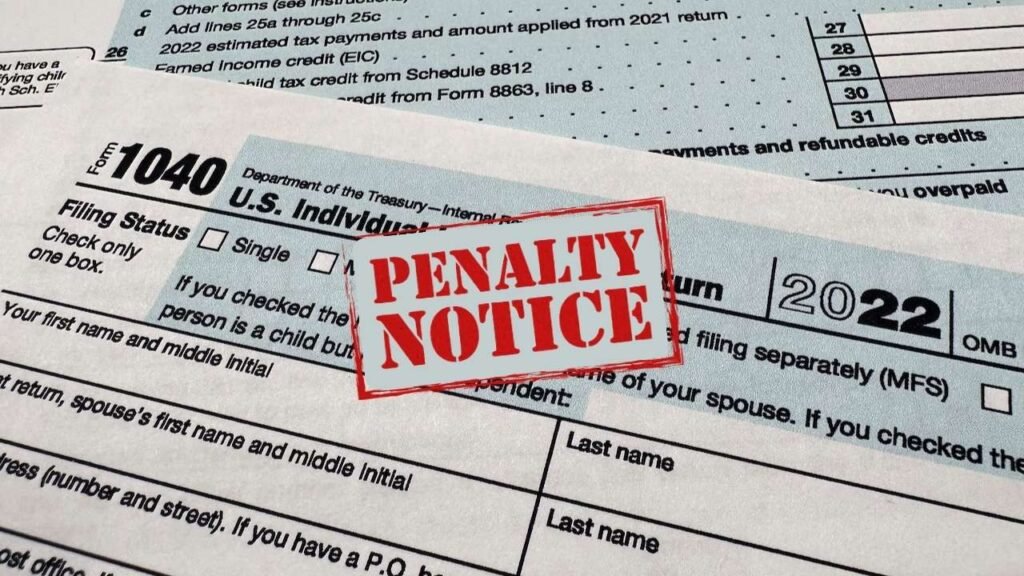
While many people are aware of the annual filing date, fewer understand how quickly penalties can increase when a return is submitted late. The Internal Revenue Service (IRS) has recently reminded taxpayers about a specific rule that can trigger a significant penalty if returns are delayed beyond a certain period.
The warning focuses on a minimum fine that can apply once a tax return becomes more than two months overdue. Taxpayers who delay filing may suddenly face a much higher penalty than expected, even if their unpaid tax amount is relatively small. Understanding this rule is essential for anyone who wants to avoid unnecessary costs and remain compliant with federal tax regulations.
Table of Contents
IRS Warns of $525 Penalty
| Key Information | Details |
|---|---|
| Rule Name | IRS 60-Day Late Filing Rule |
| Minimum Penalty | $525 or 100% of unpaid tax (whichever is less) |
| Applies When | Tax return is filed more than 60 days after the deadline |
| Standard Late Filing Penalty | 5% of unpaid tax per month |
| Maximum Penalty Limit | Up to 25% of unpaid tax |
| Additional Costs | Interest on unpaid taxes and penalties |
| Typical Tax Deadline | Around April 15 each year |
| Extension Deadline | Up to October 15 if extension is requested |
IRS $525 Penalty and the Important 60-Day Rule
The IRS $525 penalty and the important 60-day rule refer to a late-filing regulation that applies when taxpayers fail to submit their tax returns within 60 days of the official deadline. Under normal circumstances, the IRS charges a monthly penalty based on the unpaid tax amount. However, once the delay crosses the 60-day mark, a minimum penalty applies regardless of the monthly calculation.
For the current filing period, the IRS states that the minimum penalty for returns filed more than 60 days late is $525 or 100% of the unpaid tax owed, whichever amount is smaller. This rule means that even taxpayers who owe a small amount may still face a substantial penalty if they wait too long to file their returns. Because of this requirement, tax experts strongly encourage individuals to file their returns as soon as possible, even if they are unable to pay the full tax amount immediately.
Understanding the Standard Late Filing Penalty
Before the 60-day threshold is reached, the IRS applies a standard penalty structure for late tax returns. This is commonly known as the Failure-to-File penalty.
In most cases, the penalty equals 5% of the unpaid tax amount for each month that the return is late. The fee continues to accumulate monthly until it reaches a maximum limit of 25% of the unpaid taxes.
For example, if a taxpayer owes $1,000 and files one month late, the penalty could be about $50. If the return remains unfiled for several months, the amount gradually increases until the maximum percentage is reached.
However, the situation changes significantly when the tax return remains unfiled for more than 60 days. At that point, the IRS minimum penalty rule begins to apply.
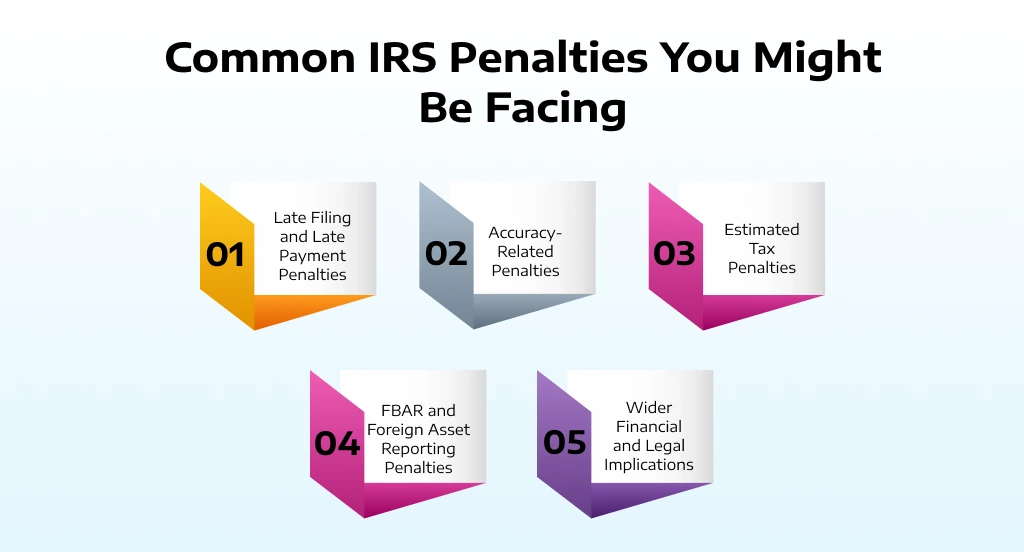
How the 60-Day Rule Increases the Penalty
The 60-day rule is designed to discourage taxpayers from delaying their tax filing for extended periods. Once the filing delay passes two months, the IRS introduces a minimum penalty requirement.
Instead of calculating the penalty solely based on the monthly percentage, the IRS imposes a minimum fine of $525 or the total amount of tax owed, whichever is smaller.
This rule can dramatically increase the penalty for taxpayers who owe a small amount of tax. For instance, if someone owes $300 in taxes but files their return more than 60 days late, the penalty could still reach the $300 amount since it cannot exceed the total tax owed.
Because of this rule, filing a tax return just a few days after the 60-day mark can result in a much larger penalty than filing within the first two months after the deadline.
Interest Charges on Unpaid Taxes
In addition to penalties, taxpayers who fail to pay their taxes on time may also face interest charges. Interest begins accumulating from the original tax deadline and continues until the full amount is paid.
The IRS adjusts interest rates periodically based on federal lending rates. While the exact rate may vary each quarter, the principle remains the same: the longer the tax balance remains unpaid, the larger the total amount owed becomes.
Interest may apply to both the unpaid tax and the penalties associated with late filing. This means that taxpayers who ignore the problem for several months or years may eventually face a much higher balance than they originally owed.
What Happens If You Miss the Filing Deadline
Missing the tax filing deadline does not necessarily mean that the situation cannot be corrected. Many taxpayers experience unexpected circumstances that prevent them from filing their returns on time.
If the deadline has already passed, the most important step is to file the tax return as soon as possible. Filing quickly can prevent the failure-to-file penalty from continuing to increase.
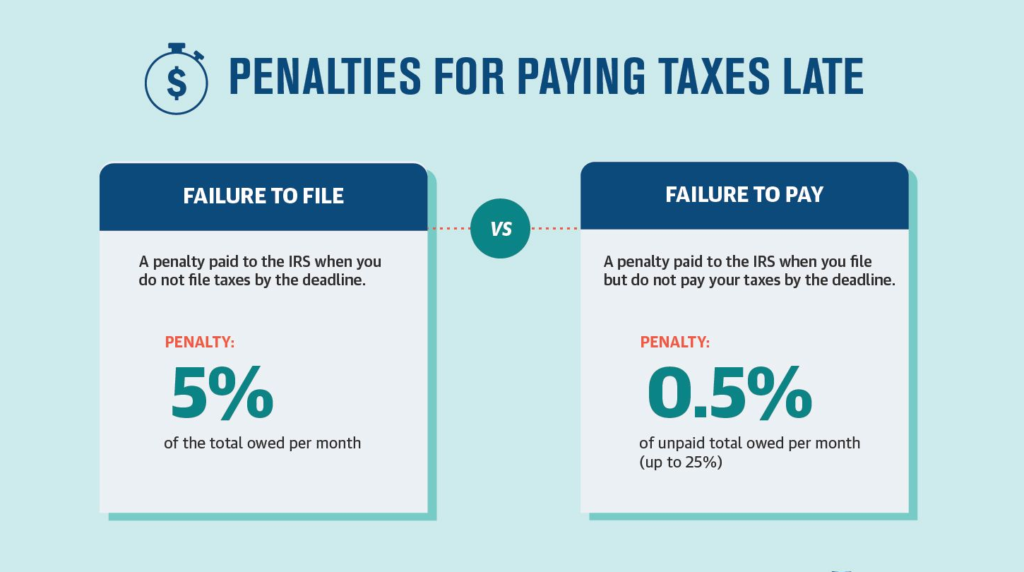
Even if a taxpayer cannot pay the entire amount owed, submitting the return still helps reduce penalties. The IRS typically charges a much higher penalty for failing to file than for failing to pay.
Taxpayers who are unable to pay their full tax balance immediately may also be able to request a payment plan from the IRS. These installment agreements allow individuals to pay their tax debt gradually over time.
Situations Where Penalties May Be Reduced
Although IRS penalties are strict, there are certain situations where taxpayers may qualify for relief. The IRS may reduce or remove penalties if the taxpayer can demonstrate reasonable cause for filing late.
Common examples include:
- Serious illness or medical emergencies
- Natural disasters such as hurricanes or floods
- Death of an immediate family member
- Loss or destruction of financial records
In some cases, taxpayers may also qualify for the First-Time Penalty Abatement program. This program allows individuals with a good tax compliance history to request the removal of penalties for a single year.
However, it is important to note that interest charges usually remain in place unless the underlying penalty is removed.
Steps to Avoid the $525 IRS Penalty
Avoiding the IRS 60-day penalty is generally straightforward if taxpayers take a few simple steps.
1. File your tax return before the deadline
The federal tax filing deadline typically falls around April 15 each year.
2. Request a filing extension if necessary
Taxpayers can apply for an automatic extension, which gives them additional time to file their return, usually until October 15.
3. File even if you cannot pay the full amount
Submitting the tax return prevents the failure-to-file penalty from continuing to increase.
4. Pay as much as possible
Partial payments can help reduce interest and additional penalties.
Conclusion
The IRS reminder about the $525 penalty tied to the 60-day rule highlights how important it is for taxpayers to file their returns on time. While the initial late-filing penalties may appear manageable, the cost increases significantly once a return becomes more than two months overdue.
Understanding how these penalties work can help taxpayers avoid unnecessary financial stress. Filing on time, requesting extensions when needed, and addressing tax obligations quickly are the best ways to prevent costly fines. By staying informed and taking action early, taxpayers can protect themselves from the unexpected consequences of the IRS 60-day rule.