

Sugar has always sat at the center of a nutritional dilemma. People love sweetness, yet ordinary table sugar is closely tied to rising obesity, pre-diabetes, and type-2 diabetes. Every dessert, sweet beverage, or bakery item quickly breaks down into glucose, causing a spike in blood sugar followed by a surge of insulin.
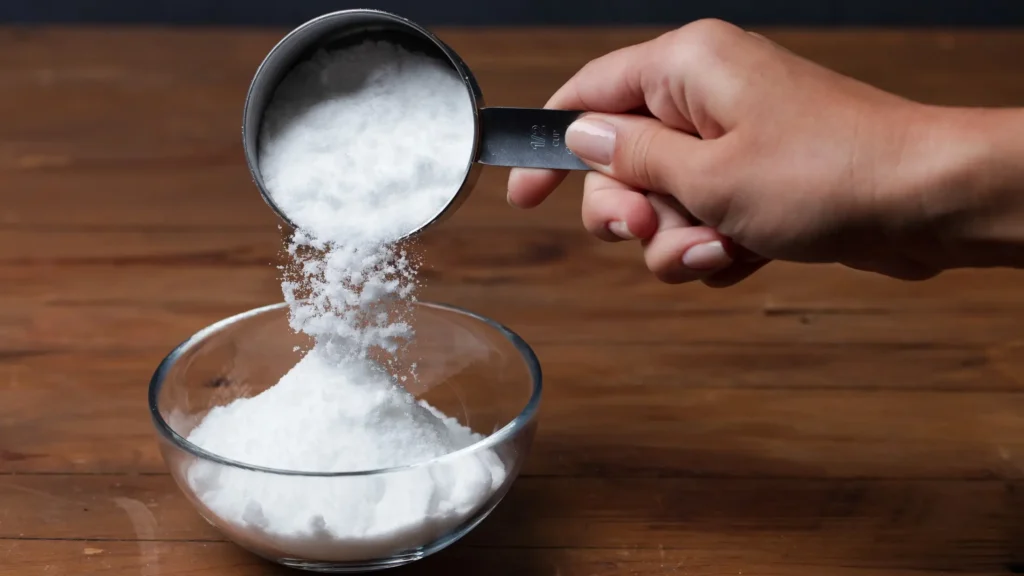
Over time, these repeated spikes strain the body’s metabolic system. Because of this, scientists have spent decades trying to create an alternative that tastes like sugar but behaves differently inside the human body.
Now researchers believe they may finally be close. Scientists have developed a naturally derived sweetener that closely mimics the taste and cooking performance of regular sugar while providing far fewer calories and producing little to no insulin response. Unlike artificial sweeteners, which often have a lingering aftertaste or public health debate, this compound acts more like real sugar — just metabolized in a gentler way. The development could reshape how food manufacturers produce sweets and how people with metabolic disorders manage their diets.
Table of Contents
Tagatose Low-Calorie Sweetener
The focus of the research is tagatose, a rare sugar found naturally in small amounts in fruits and dairy products. Researchers recently created an improved biological production method that makes it practical to manufacture on a large scale. Previously, tagatose existed but was expensive and difficult to produce commercially. The new process may finally allow it to enter everyday foods such as beverages, baked goods, and confectionery products.
Low-Calorie Sweetener That Doesn’t Spike Insulin
| Feature | Details |
|---|---|
| Sweetener Name | Tagatose |
| Source | Naturally occurring sugar in fruits and dairy |
| Calories | Much lower than regular sugar |
| Taste | Very similar to table sugar |
| Insulin Effect | Minimal increase |
| Blood Glucose | Small rise compared to sucrose |
| Digestion | Partially absorbed, partially fermented by gut bacteria |
| Potential Uses | Baking, beverages, desserts, diabetic-friendly foods |
| Key Advantage | Sweet taste without metabolic spike |
| Availability | Not widely available yet but expected commercially |
What the New Sweetener Is
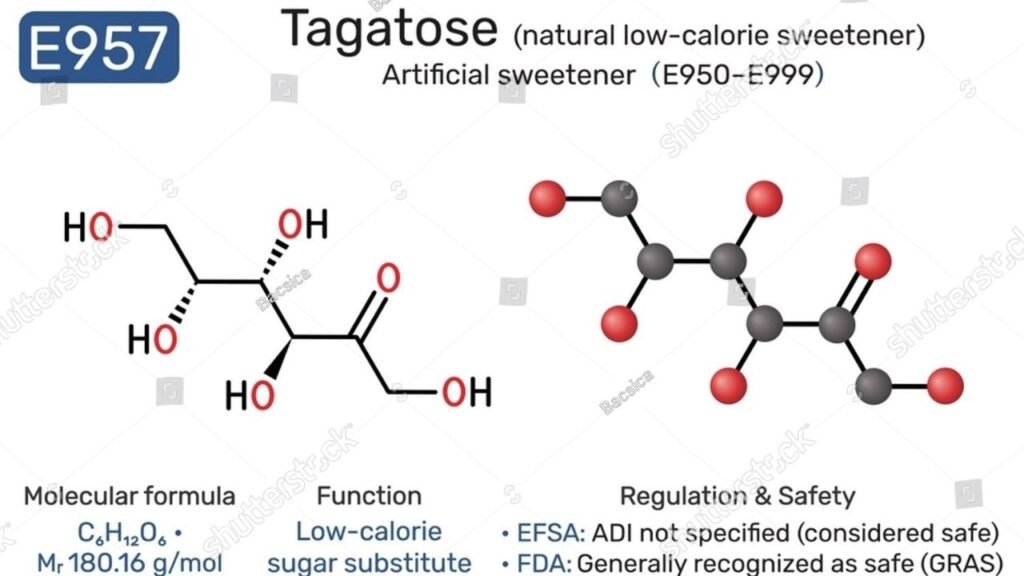
Tagatose is not an artificial chemical sweetener. It is a real carbohydrate, structurally similar to regular sugar, but processed differently by the body. Researchers improved a fermentation-based production technique using natural biological pathways. This innovation matters because earlier methods were too expensive for large-scale use in the food industry.
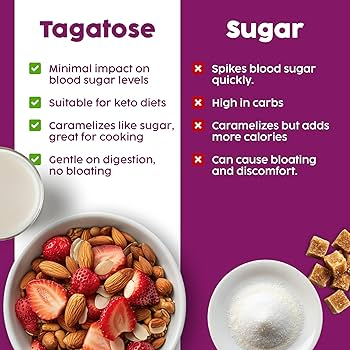
What makes tagatose unique is that it behaves almost exactly like sugar in cooking. It browns properly in baking, dissolves in liquids, and produces a similar mouthfeel. These characteristics are important because many existing sugar substitutes fail in baking or leave an unpleasant aftertaste.
In simple terms, scientists did not just create another sweetener — they created something that functions like sugar while avoiding many of sugar’s metabolic consequences.
Why It Doesn’t Spike Insulin
When a person eats regular sugar (sucrose), the digestive system quickly breaks it into glucose. The bloodstream absorbs this glucose, and the pancreas releases insulin to move the sugar into cells for energy. That rapid process causes a sharp rise in blood sugar.
Tagatose follows a different path inside the body:
- Only a portion is absorbed in the small intestine
- A large amount travels to the colon
- Gut bacteria ferment the remainder
Because less glucose enters the bloodstream, the body does not need to release large amounts of insulin. Clinical observations show only a small increase in blood glucose and insulin levels after consumption. This difference is the main reason researchers consider it promising for people with blood sugar concerns.
Why This Matters
Diabetes-Friendly Sweetness
Millions of people struggle to control sugar intake due to diabetes or pre-diabetes. For them, sweet foods often mean careful calculation or complete avoidance. A sweetener that produces minimal insulin response could allow moderate sweetness without major metabolic disturbance.
Weight Management
Regular sugar provides high calories but low nutritional value. Reducing calorie intake is one of the most effective ways to manage body weight. Because tagatose contains significantly fewer calories, it could help lower daily energy consumption without removing sweetness from diets.
Tooth Health
Bacteria in the mouth feed on ordinary sugar and produce acids that damage enamel. Tagatose does not support harmful bacteria in the same way, meaning it may reduce the risk of cavities compared to traditional sugar.
Gut Microbiome Support
Since part of tagatose is fermented in the colon, it may act somewhat like a prebiotic. The fermentation process can support beneficial bacteria in the digestive tract, though scientists are still studying long-term effects.
Why Scientists Are Excited
Artificial sweeteners have existed for years, but they come with limitations:
- Some leave a bitter or metallic aftertaste
- Many do not work well in baking
- Public opinion and research findings remain mixed
Tagatose differs because it behaves like real sugar. It caramelizes, provides bulk, and maintains texture. These qualities matter to food manufacturers and home cooks alike. Instead of replacing sweetness alone, it replaces the entire functional role of sugar in recipes.
Researchers describe it not merely as a sugar substitute, but as a metabolic alternative to sugar.
Can You Buy It Yet?
At present, tagatose is not widely available in everyday grocery stores. The major barrier historically has been manufacturing cost. The newly developed production method could reduce costs enough for large-scale commercial use. Food companies are expected to experiment with incorporating it into snacks, beverages, and processed foods.
If production expands successfully, consumers may soon start seeing it listed on ingredient labels.
Important Reality Check
Although promising, this sweetener is not a cure-all. Nutrition experts emphasize several points:
- Overeating any sweet food is still unhealthy
- Long-term human studies are ongoing
- Balanced diets remain essential
The discovery does not mean unlimited desserts without consequences. Instead, it offers a safer alternative that may reduce metabolic stress compared to ordinary sugar.
Conclusion
For decades, the challenge has been clear: people want sweetness, but the human body struggles with excess sugar. Artificial sweeteners solved part of the problem but introduced new concerns about taste, digestion, and acceptance. The newly scalable production of tagatose may represent a different path — not replacing sugar with a chemical substitute, but using a naturally occurring carbohydrate that the body processes more gently.
By delivering familiar taste, fewer calories, and minimal insulin response, the sweetener could help people reduce sugar intake without completely giving up sweet foods. If commercial production succeeds and long-term safety continues to look positive, this discovery may influence food manufacturing, diabetic nutrition, and everyday eating habits.
Rather than eliminating sweetness from modern diets, researchers may have found a way to make sweetness less harmful — and that could be one of the most practical nutrition breakthroughs in years.