
Government food assistance programs in the United States often evolve as policymakers attempt to balance nutritional goals with access to affordable food. One of the most widely used programs is SNAP, the Supplemental Nutrition Assistance Program, which provides monthly benefits to help low-income households purchase groceries.
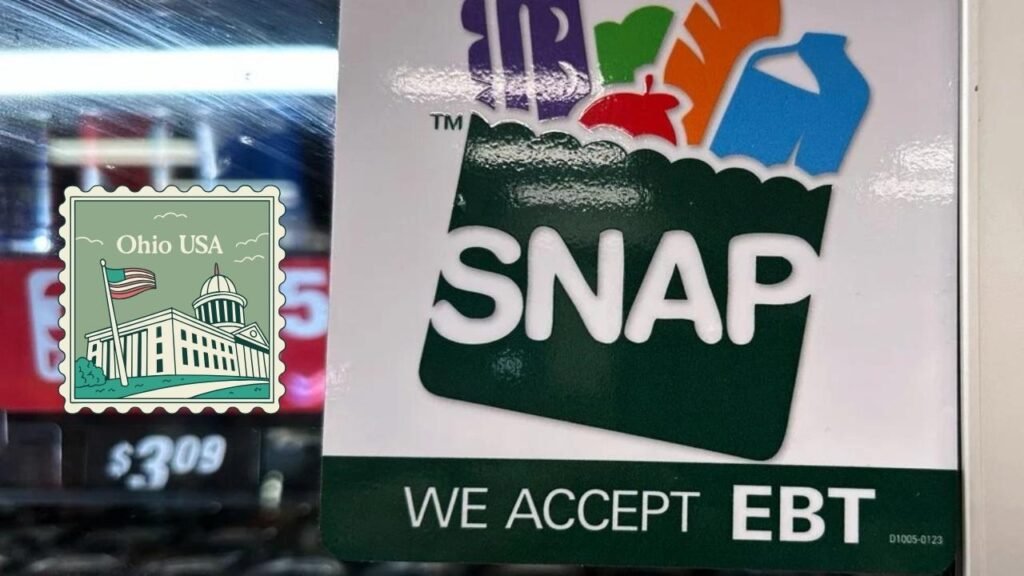
In recent months, Ohio has announced a significant change to how these benefits can be used. The state plans to introduce a new restriction targeting a common beverage that many Americans consume daily—sugary soda. The Ohio SNAP Program Adds New Restriction on a Common Beverage policy reflects a growing effort among some states to encourage healthier food choices among benefit recipients. State officials say the change is intended to reduce consumption of sugar-sweetened drinks that are linked to obesity, diabetes, and other health conditions. While the move has gained support from some public health advocates, it has also sparked debate about personal choice and the role of government in regulating food purchases made through assistance programs.
Ohio officials have proposed banning the purchase of sugary carbonated drinks using SNAP benefits. The restriction specifically targets beverages that contain added sugars such as sugar, corn syrup, or high-fructose corn syrup. These drinks, commonly known as sodas or sugar-sweetened beverages, are widely consumed but have been linked to a variety of health concerns.
The proposed rule is expected to affect more than a million SNAP recipients in the state. However, it does not remove access to beverages entirely. People receiving SNAP benefits will still be able to purchase water, milk, and other non-sugary drinks, along with the full range of eligible grocery items.
Table of Contents
Ohio SNAP Program Adds New Restriction
| Key Detail | Information |
|---|---|
| Program | Supplemental Nutrition Assistance Program (SNAP) |
| State Implementing Change | Ohio |
| Beverage Restricted | Sugary soda and sugar-sweetened carbonated drinks |
| Reason for Restriction | Encourage healthier food and beverage choices |
| Ingredients Targeted | Sugar, corn syrup, high-fructose corn syrup, and other caloric sweeteners |
| Expected Implementation | October 1, 2026 |
| People Affected | About 1.3 million SNAP recipients in Ohio |
| Alternatives Allowed | Water, milk, and other non-sugary beverages |
What the New Rule Says
The proposed restriction would prevent SNAP users in Ohio from purchasing sugary carbonated beverages with their benefits. These drinks are typically sweetened with ingredients such as refined sugar, corn syrup, or high-fructose corn syrup.
The policy focuses specifically on drinks with added caloric sweeteners. As a result, beverages like diet soda or drinks without added sugar may still be allowed, depending on how the final rule is implemented. The restriction does not affect other grocery items that are commonly purchased through SNAP.
Another important detail is the timeline. Officials have indicated that the rule is scheduled to take effect on October 1, 2026. This timeline gives stores, program administrators, and beneficiaries time to prepare for the changes.
Why the Change Was Made
Ohio’s decision is largely driven by public health concerns. State leaders argue that sugary drinks contribute significantly to health problems such as obesity, diabetes, and heart disease. These conditions are often more common in low-income communities, which are also the communities most likely to rely on food assistance programs.
Supporters of the restriction believe that limiting access to sugar-sweetened beverages through SNAP could help encourage healthier diets. They argue that since the program is funded by taxpayers and designed to improve food security, it should also promote nutritious food choices.
Public health groups have long pointed out that sugary beverages provide calories without significant nutritional value. Reducing their consumption, they say, could lead to better long-term health outcomes for many households receiving assistance.
Who It Affects
The change could impact approximately 1.3 million people in Ohio who receive SNAP benefits. These recipients include families, elderly individuals, and people with disabilities who rely on the program to help cover grocery costs.
Despite the new restriction, SNAP beneficiaries will still have access to a wide variety of foods and beverages. The program will continue to allow purchases of staple items such as fruits, vegetables, bread, meat, dairy products, and other groceries that are part of a balanced diet.
Beverages that are not sugar-sweetened, including milk and water, will remain eligible for purchase with SNAP funds. This means that while sugary soda would be restricted, most grocery options will remain unchanged.
Part of a Wider Trend
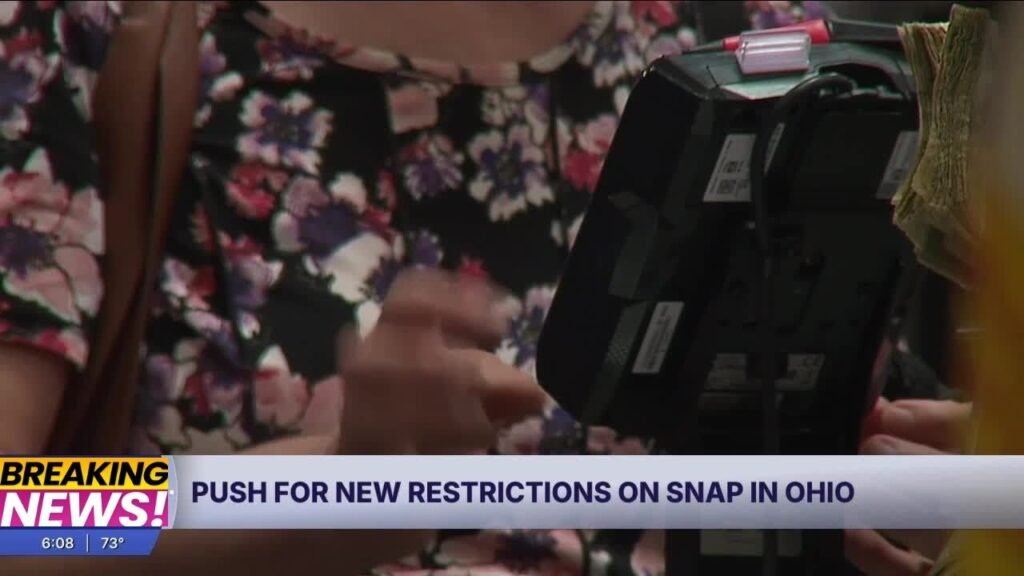
Ohio is not the only state considering restrictions on certain items purchased with SNAP benefits. Across the United States, several states have discussed or requested federal approval to limit the purchase of items like soda, candy, or energy drinks through the program.
These proposals are part of a broader national debate about how government assistance programs should operate. Some policymakers believe SNAP should prioritize nutritious foods, while others argue that recipients should have the same freedom of choice as any other shopper.
Historically, the federal government has been cautious about approving restrictions on specific foods in SNAP. However, the discussion has intensified in recent years as states explore ways to align food assistance programs with public health goals.
The Debate Around the Policy
The Ohio restriction has sparked discussion among policymakers, public health experts, and SNAP recipients. Supporters of the rule say it is a reasonable step toward improving nutrition and reducing diet-related illnesses. They believe that limiting sugary drinks in the program could encourage healthier habits without removing access to essential groceries.
Critics, however, argue that the policy may unfairly target low-income households. Some believe that SNAP recipients should have the freedom to choose what they buy, just like any other consumer. Others question whether banning soda will truly lead to healthier diets or simply shift spending habits.
Retailers and grocery stores may also need to adjust their systems to ensure that restricted beverages cannot be purchased with SNAP benefits. This could involve updating checkout systems or product eligibility databases.
What SNAP Recipients Should Know
For SNAP users in Ohio, the key takeaway is that the restriction is limited in scope. The program will continue to provide assistance for most grocery purchases. Only sugary carbonated beverages with added caloric sweeteners are expected to be restricted.
Recipients will still have access to many beverage choices and a wide range of food products. The change is intended to influence purchasing patterns rather than significantly reduce access to groceries.
As the implementation date approaches, state agencies will likely provide additional guidance to both retailers and SNAP participants. This may include detailed lists of eligible and ineligible products to help avoid confusion at checkout.
Conclusion
The Ohio SNAP Program Adds New Restriction on a Common Beverage marks a notable shift in how food assistance benefits may be used in the state. By targeting sugary soda and similar drinks, Ohio officials hope to encourage healthier choices among SNAP recipients and address long-term health concerns related to high sugar consumption.
At the same time, the policy highlights an ongoing national debate about nutrition, personal choice, and the role of government programs in shaping dietary habits. While supporters see the restriction as a step toward improved public health, critics question whether limiting certain purchases is the best approach.
As the October 2026 implementation date approaches, the policy will continue to draw attention from policymakers, researchers, and SNAP participants. Whether it becomes a model for other states or remains a point of controversy will likely depend on how effectively it achieves its intended goals.