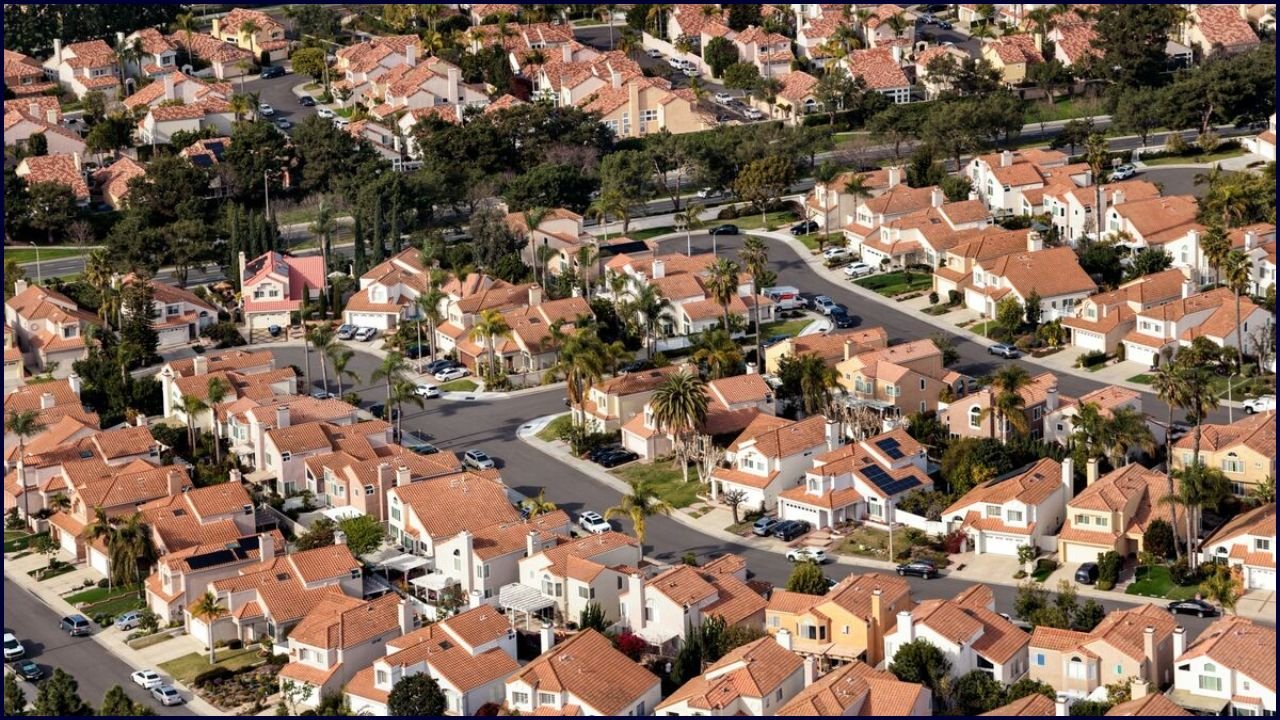

The California ADU housing trend is rapidly reshaping residential life across the state as homeowners and renters turn to Accessory Dwelling Units (ADUs) for more affordable housing. The small secondary homes, often built in backyards or converted garages, have expanded quickly as policymakers seek solutions to the state’s persistent housing shortage.
Table of Contents
Surprising Housing Lifestyle
| Key Fact | Detail |
|---|---|
| Rapid ADU Growth | Thousands of permits for backyard homes issued annually since 2020 |
| Policy Support | State laws since 2017 simplified rules for building ADUs |
| Housing Affordability | ADUs provide lower-cost living options compared with traditional homes |
| Multigenerational Living | Families increasingly use ADUs for elderly parents or adult children |
California ADU Housing Trend Expands Amid Housing Shortage
The California ADU housing trend has gained momentum as residents search for housing options that are both flexible and less expensive than conventional homes.
Accessory Dwelling Units are small independent living spaces built on the same property as a primary residence. They typically include a kitchen, bathroom, and sleeping area. Many measure between 400 and 1,000 square feet.
State officials say these units can help ease the California housing crisis, which has driven home prices and rents among the highest in the United States.
According to the California Department of Housing and Community Development, the state has approved tens of thousands of ADU permits in recent years. Policymakers increasingly view them as one of the fastest ways to add housing without constructing large apartment complexes.
Housing experts say ADUs represent a rare form of housing supply that can expand quickly while using existing neighborhoods and infrastructure.
“These units allow communities to add housing gradually and efficiently,” researchers at the Terner Center for Housing Innovation at the University of California, Berkeley, wrote in a policy report examining the state’s housing strategies.
Why Accessory Dwelling Units Are Growing
Policy Changes Encouraged Construction
Beginning in 2017, California lawmakers passed a series of measures designed to simplify the construction of Accessory Dwelling Units. The reforms limited local restrictions, reduced permit barriers, and encouraged homeowners to convert garages or build backyard homes.
Several laws also reduced fees, shortened approval timelines, and prevented local governments from imposing overly strict zoning requirements.
Housing researchers say the policy changes have dramatically increased construction activity.
“ADUs represent one of the most significant sources of new housing supply in California,” said Terner Center for Housing Innovation researchers in a recent analysis.
These units can often be built faster and at lower cost than traditional housing developments.
In many cases, construction takes only a few months once permits are approved, compared with years for large housing projects.
A Response to the California Housing Crisis
California’s severe housing shortage has made it difficult for many residents to buy or rent homes.
Data from housing policy organizations show that the state needs millions of additional housing units to meet demand. In many urban areas, median home prices exceed $800,000.
ADUs provide a smaller and more affordable option for renters and families.
Housing economists note that backyard homes often rent for less than comparable apartments because they share land with an existing property.
According to research by the Urban Institute, small units can improve affordability by expanding rental supply in neighborhoods that previously allowed only single-family homes.

Multigenerational Living Driving Demand
Another factor behind the California ADU housing trend is the rise of multigenerational living arrangements.
Many homeowners build ADUs to house relatives, including aging parents or adult children. This arrangement allows families to remain close while maintaining separate living spaces.
Urban planners say such setups have become more common as housing costs rise.
“ADUs allow families to stay connected without sacrificing independence,” said housing policy analysts studying the trend.
The units also offer homeowners an opportunity to generate rental income.
For example, some homeowners rent ADUs to long-term tenants, while others use them as housing for relatives or caregivers.
The model has also proved useful for young professionals who cannot yet afford full apartments in expensive cities.
Economic Impact on Homeowners and Communities
The expansion of backyard homes is also changing the financial dynamics of homeownership.
In some cases, homeowners invest between $100,000 and $300,000 to build an ADU, depending on size, design, and location. While construction costs can be significant, many homeowners see the units as long-term investments.
Rental income from an ADU can help offset mortgage payments, property taxes, and maintenance expenses.
Housing analysts say this flexibility has made ADUs attractive during periods of economic uncertainty.
“Homeowners can use the unit for family members or generate rental income depending on their needs,” said housing economists studying small-scale housing supply.
Local economies may also benefit from increased construction activity, including jobs for builders, architects, and contractors.
Urban Planning and Environmental Considerations
Urban planners increasingly view ADUs as part of a broader strategy known as “gentle density.” This concept encourages modest increases in housing supply without dramatically altering neighborhood character.
Unlike large apartment buildings, ADUs blend into existing residential areas.
Many cities have also begun promoting environmentally sustainable designs for backyard homes.
Smaller living spaces generally consume less energy for heating and cooling. Some homeowners install solar panels or energy-efficient appliances as part of ADU construction.
Urban sustainability experts say these features can help cities reduce environmental impacts while addressing housing shortages.

Benefits and Limitations of Backyard Homes
While the expansion of backyard homes has drawn support from housing advocates, some challenges remain.
Benefits
- Increased housing supply without major new developments
- Lower housing costs compared with traditional homes
- Greater flexibility for families and homeowners
- Efficient use of existing residential land
- Opportunities for homeowners to generate rental income
Limitations
Local communities sometimes raise concerns about neighborhood density, parking availability, and infrastructure demands.
Construction costs can also remain high, depending on location and building requirements.
Additionally, not every property is suitable for ADU development. Factors such as lot size, local regulations, and access to utilities may limit construction.
Still, housing researchers say the benefits may outweigh the challenges.
Regional Differences Across California
The growth of ADUs has not been uniform across the state.
Cities such as Los Angeles, San Diego, and San Jose have emerged as major hubs for ADU construction. These areas face some of the most severe housing shortages and have implemented local policies that support small housing units.
Los Angeles, for example, has approved thousands of ADU permits in recent years. Local officials say backyard homes are now among the city’s most common forms of new housing.
In contrast, some smaller communities have seen slower adoption due to zoning rules, land constraints, or local opposition.
Housing experts say continued policy adjustments may help address these disparities.
How ADUs Compare With Other Housing Solutions
While ADUs are gaining attention, they represent only one of several strategies aimed at addressing housing shortages.
Other approaches include:
- Large-scale apartment developments
- Affordable housing programs
- Transit-oriented housing near public transportation
- Micro-apartments and co-living spaces
Each approach serves different populations and income levels.
Urban policy researchers emphasize that no single strategy can fully resolve California’s housing shortage.
Instead, they say a combination of housing types will be necessary to meet demand.
Outlook for the California ADU Housing Trend
Housing experts believe the California ADU housing trend will continue to grow as cities search for practical ways to increase housing supply.
State officials have signaled ongoing support for policies that encourage smaller housing developments in existing neighborhoods.
Some policymakers are also exploring financing programs that would help homeowners afford ADU construction.
Urban planners say ADUs alone will not resolve the housing shortage. However, they may play an increasingly important role in expanding housing options and stabilizing rental markets.
“The challenge is large,” housing analysts say, “but small units like ADUs can still make a meaningful difference.”
FAQs About Surprising Housing Lifestyle
What is an Accessory Dwelling Unit (ADU)?
An ADU is a small, independent residential unit located on the same property as a primary home. It usually includes its own kitchen, bathroom, and living area.
Why are ADUs increasing in California?
State legislation reduced barriers to construction and encouraged homeowners to build secondary units to help address the housing shortage.
Are backyard homes affordable?
ADUs often cost less than traditional housing because they are smaller and share property with an existing residence.
Can homeowners rent out ADUs?
Yes. Many homeowners rent these units to tenants, providing additional income while increasing local housing availability.
Do ADUs require special permits?
Most cities require permits and compliance with zoning rules. However, recent state laws simplified the approval process in many areas.